


CBT for Eating Disorders
Overview Eating disorders affect many people across the UK, with NHS data showing that referrals for specialist eating disorder services …
 249 Students


CPD Accredited
All of our courses meet recognised CPD Quality Standards, supporting high-quality learning and ongoing professional development.
QLS Endorsed
The Quality Licence Scheme (QLS) is a recognised accreditation framework that endorses high-quality, non-regulated training courses across a wide range of industries.
Association of Healthcare Trainers
The Association of Healthcare Trainers (AoHT) supports excellence in healthcare education by helping training providers deliver up-to-date, industry-focused learning and maintain strong professional standards..

UKRLP Registered
UKRLP registration demonstrates commitment to recognised training and education standards, helping organisations build trust, improve credibility, and showcase their presence within the UK learning and skills sector.
Course Curriculum
| Introduction | |||
| CBT Eating Disorders Promo | 00:02:00 | ||
| About the Tuto | 00:01:00 | ||
| About the Course | 00:02:00 | ||
| CBT & Therapeutic principles | |||
| What is CBT (the CBT model) | 00:06:00 | ||
| NICE guidelines | 00:04:00 | ||
| The therapeutic alliance, Trust and Empathy | 00:07:00 | ||
| Ethics of the therapy | 00:05:00 | ||
| The Psychology & Causations of Eating Disorders | |||
| Eating disorders: Categorisations | 00:07:00 | ||
| Core Psychopathology of Eating Disorders | 00:07:00 | ||
| Co-morbid psychiatric illness | 00:07:00 | ||
| Social and Family factors | 00:08:00 | ||
| Cognitive factors | 00:07:00 | ||
| Emotional factors | 00:09:00 | ||
| The Assessment & Planning | |||
| First session – Assessment | 00:08:00 | ||
| Dietary and Nutritional issues | 00:06:00 | ||
| Setting Goals with the client | 00:07:00 | ||
| Motivational factors | 00:07:00 | ||
| CBT in Practice | |||
| Working with Anxiety | 00:05:00 | ||
| The Socratic approach (Socratic questioning) | 00:06:00 | ||
| Psychoeducation | 00:04:00 | ||
| The ‘Exposure’ technique | 00:07:00 | ||
| Working with Beliefs (shape, weight, food) | 00:07:00 | ||
| Behavioural Experiments | 00:07:00 | ||
| Reviewing & Wrapping up | |||
| Designing and Reviewing Action plans | 00:06:00 | ||
| Concluding therapy successfully | 00:04:00 | ||
| Follow up and Relapse Prevention | 00:05:00 | ||
| Thank you and Good Bye! | 00:02:00 | ||
| Additional Resources | |||
| Additional Resources: CBT for Eating Disorders | 00:00:00 | ||
| Mock Exam | |||
| Mock Exam – CBT for Eating Disorders | 00:20:00 | ||
| Final Exam | |||
| Final Exam – CBT for Eating Disorders | 00:20:00 | ||
| Assignment | |||
| Assignment – CBT for Eating Disorders | 2 weeks | ||
Course Reviews
No Reviews found for this course.
This online course introduces cognitive behavioural therapy methods related to eating disorder support. Learners explore thought patterns, emotions, behaviours, therapeutic communication, assessment approaches and recovery-focused strategies connected with conditions such as anorexia, bulimia and binge eating disorder.
Yes, this course is designed for beginners and learners interested in mental health support. It starts with essential CBT concepts before introducing therapeutic principles, assessment methods, behavioural techniques and relapse prevention, making the learning journey accessible without previous specialist experience.
Learners study CBT foundations, eating disorder categories, psychological influences, therapeutic relationships, ethics, assessment, goal setting, motivation, anxiety management, exposure techniques, behavioural experiments and prevention strategies. The course develops awareness of how CBT approaches are used within supportive mental health environments.
No, this course alone does not allow learners to practise as qualified CBT therapists. Professional therapy roles usually require accredited qualifications, supervised clinical training and appropriate registration. This programme supports knowledge development and awareness rather than independent therapeutic practice.
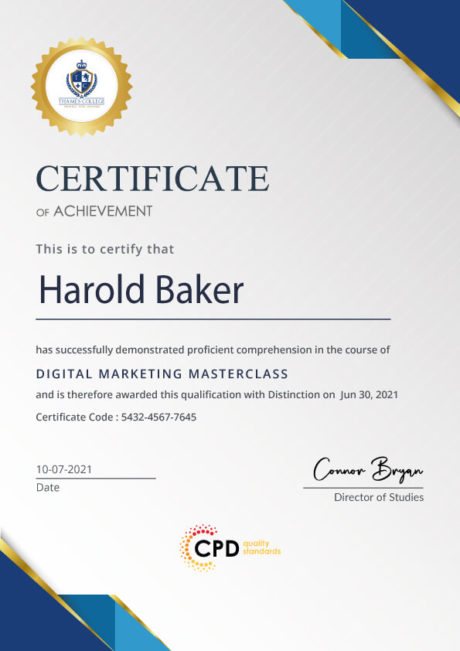
Successful learners may receive certification recognising their completed learning. A certificate can support personal development records, CVs and continued learning portfolios. However, it should not be considered a replacement for regulated qualifications required for professional therapeutic roles.
Exclusive Deal! 92% Off, Today Only!
Offer Ends Soon
 Take All courses for £49

 Access
 Level
 Number of Units
 Duration
 Course Type
- Original price was: £424.00.£29.99Current price is: £29.99.
- 1 year
- Level 4
- Number of Units29
- Number of Quizzes2
- 2 weeks Gift this course
 14-Day Money-Back Guarantee
Exclusive Deal! 95% Off, Today Only!
Discounted Total:- 50% discount for orders of 10+ courses
- 60% discount for orders of 50+ courses
- 70% discount for orders of 100+ courses