


Colour in Interior Design
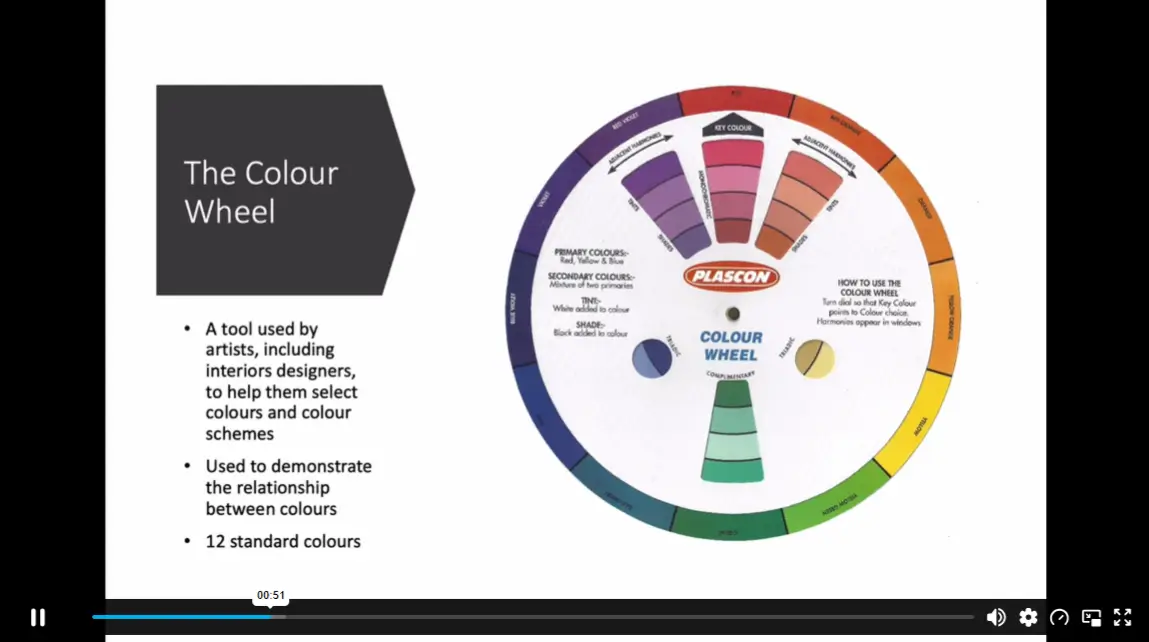
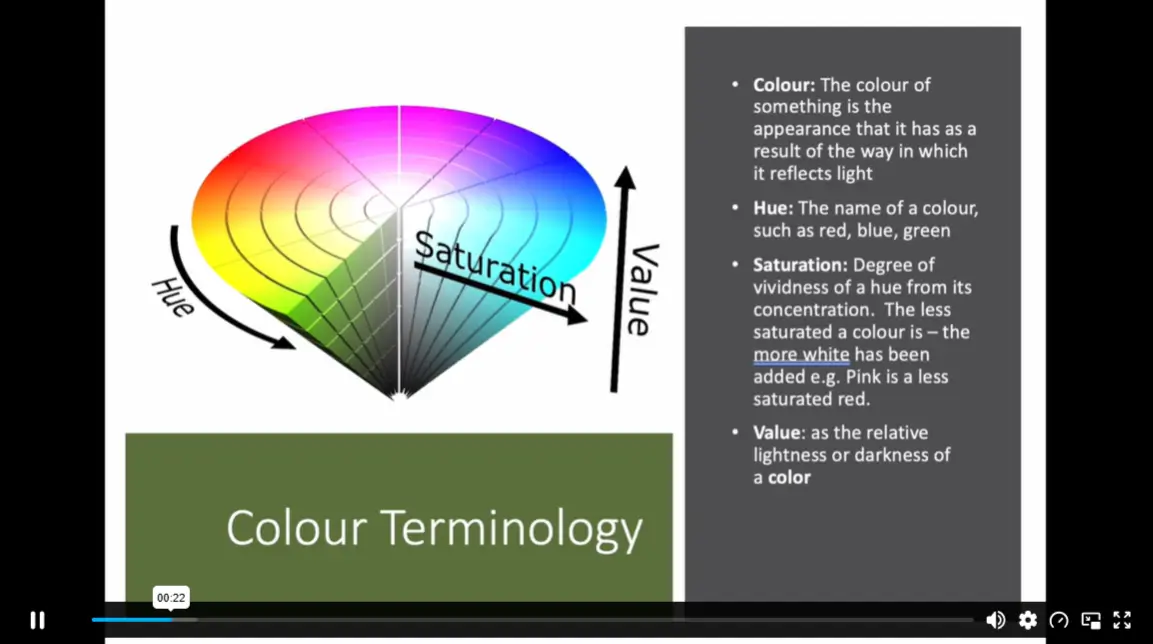
Learning Outcome Learn the colour terminologies with a fun tutorial Study the colour cycle to make your design stand out! …
 489 Students


Course Curriculum
| Introduction | |||
| Colour Introduction | 00:02:00 | ||
| Introduction to Chapters | 00:04:00 | ||
| The Impact of Fashion and Colour Trends | |||
| Colour Fashion & Colour Trends | 00:04:00 | ||
| Colour Terminology | |||
| Colour Terminology | 00:04:00 | ||
| Colour Basics and Neutral Colours | |||
| Colour Basics | 00:05:00 | ||
| Warm vs. Cool Colours | |||
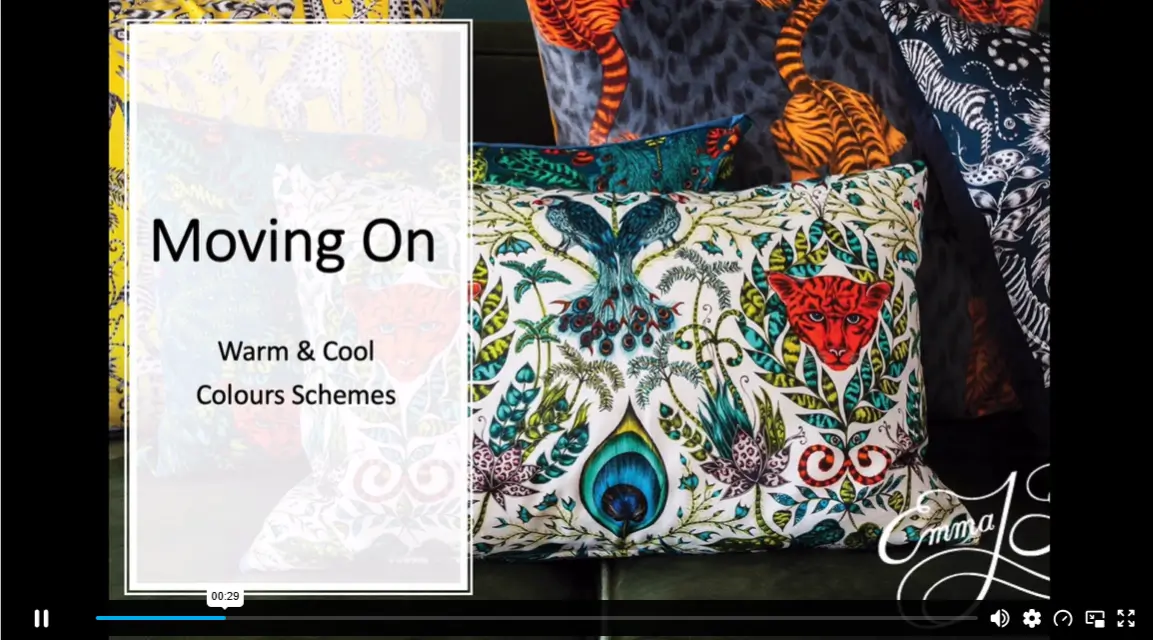
| Colour Warm & Cool Colours | 00:03:00 | ||
| Colour Schemes | |||
| Colour Schemes | 00:11:00 | ||
| Colour Ratios and Applications | |||
| Colour Ratios | 00:05:00 | ||
| Using Colour To Trick The Eye | |||
| Colours Tricking The Eye | 00:04:00 | ||
| Conclusion | |||
| Colour Conclusion | 00:01:00 | ||
The psychology of color explores how different colours influence human thoughts, emotions, and behaviours. It explains why certain colours can make people feel calm, energetic, confident, or even hungry. This knowledge is widely used in marketing, branding, interior design, education, and everyday communication.
Yes, this course is designed for learners of all experience levels, including complete beginners. It introduces the fundamentals of color psychology in a simple and practical way before moving on to more advanced concepts. No previous knowledge of design or psychology is required.
You will learn how different colours influence emotions, moods, and decision-making. The course explains the emotional associations of warm, cool, and special colours and shows how they can affect people's reactions in different situations. These insights can be applied in both personal and professional settings.
Color psychology in design helps designers create visuals that communicate the right message and evoke specific emotions. By understanding how colours influence perception, you can make better choices for branding, websites, products, and marketing materials. This helps create stronger connections with your audience.
Color theory psychology combines the principles of colour theory with the study of human behaviour and emotional responses. It explains how colour combinations, contrast, and harmony influence perception and communication. This knowledge is valuable for anyone working in creative or visual industries.
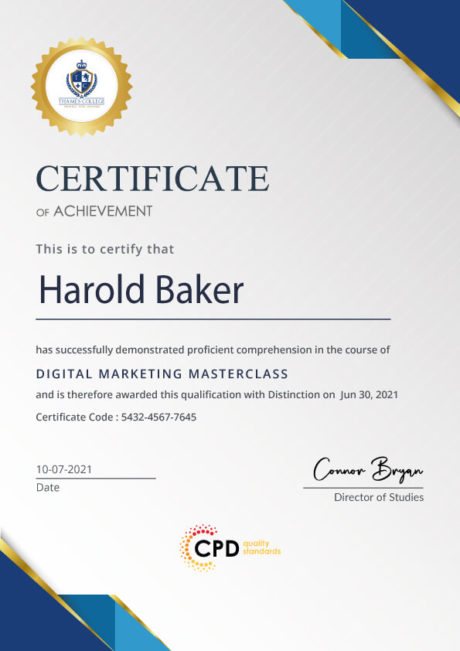
Yes. After successfully completing the course, you will be eligible to obtain a globally recognised CPD-accredited Certificate of Achievement. You can choose either a PDF Certificate & Transcript or a Hardcopy Certificate & Transcript to demonstrate your professional development.
This course is ideal for designers, marketers, educators, business owners, content creators, students, and anyone interested in understanding how colours influence people. It is also suitable for individuals looking to improve their creative decision-making or strengthen their communication skills.
Yes. Businesses often use colour psychology to influence customer perceptions, build trust, and strengthen brand identity. Understanding how colours affect emotions allows marketers and designers to create more engaging campaigns that connect effectively with their target audience.
Knowledge of color psychology is valuable in careers such as graphic design, branding, digital marketing, advertising, UX/UI design, interior design, fashion, and content creation. Understanding how colours influence behaviour can also support business, education, and customer experience roles.
Thames College provides a well-structured learning experience that makes the psychology of color easy to understand and apply. The course combines practical examples with essential theory, helping learners develop knowledge that can be used in both creative projects and professional environments.
Exclusive Deal! 92% Off, Today Only!
Offer Ends Soon
 Take All courses for £49

 Access
 Level
 Number of Units
 Duration
- £24.99
- 1 year
- Intermediate
- Number of Units10
- Number of Quizzes0
- 43 minutes Gift this course
 14-Day Money-Back Guarantee
Exclusive Deal! 95% Off, Today Only!
Discounted Total:- 50% discount for orders of 10+ courses
- 60% discount for orders of 50+ courses
- 70% discount for orders of 100+ courses