
Life Support Essentials: Basic CPR and Emergency Response
Reflect on the uses of CPR under certain emergencies while performing a medical evaluation in a crisis.
 223 Students
Course Curriculum
| Basic Life Support | |||
| Module 1: Introduction to Basic Life Support | 00:21:00 | ||
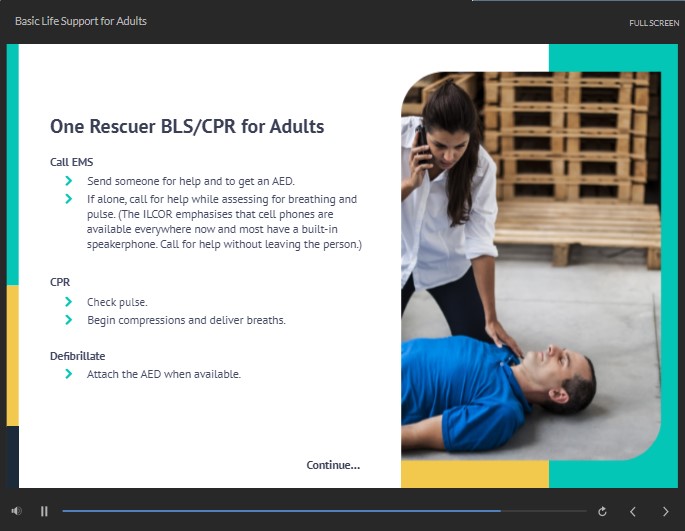
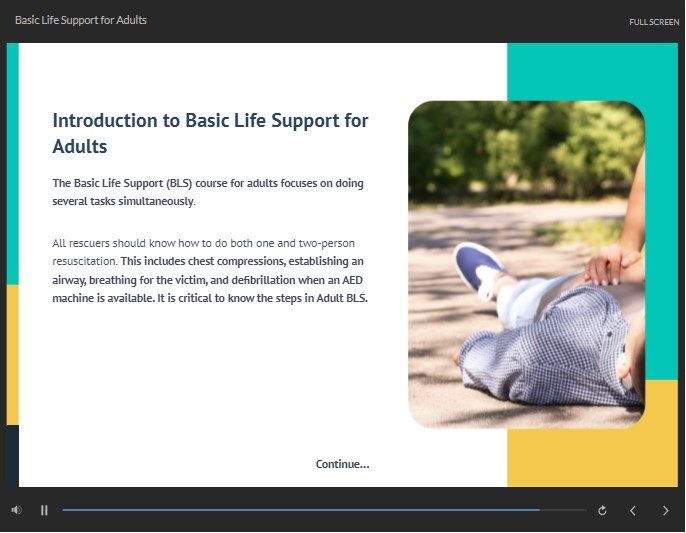
| Module 2: Basic Life Support for Adults | 00:28:00 | ||
| Module 3: Basic Life Support for Children | 00:10:00 | ||
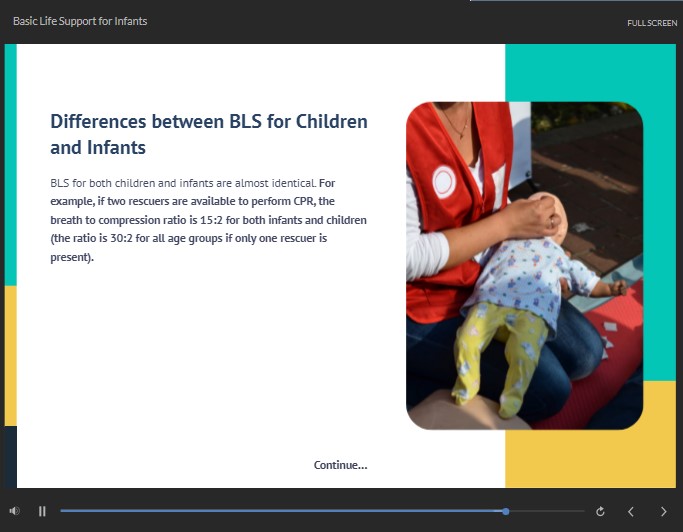
| Module 4: Basic Life Support for Infants | 00:23:00 | ||
| Module 5: Cardiopulmonary Resuscitation Objectives | 00:15:00 | ||
| Module 6: Airway Management | 00:14:00 | ||
| Module 7: Relief of Choking | 00:15:00 | ||
| Module 8: Initial Assessment Objectives | 00:10:00 | ||
| Mock Exam | |||
| Mock Exam – Basic Life Support | 00:20:00 | ||
| Final Exam | |||
| Final Exam – Basic Life Support | 00:20:00 | ||
Course Reviews
No Reviews found for this course.
Basic CPR and Emergency Response refers to the actions taken to help someone experiencing a medical emergency before professional help arrives. It includes CPR, airway management, and emergency assessment techniques. Learning these skills can improve confidence in emergency situations.
Yes, this course is designed specifically for beginners with no previous experience. The lessons explain essential concepts in a simple and easy-to-follow format. It is suitable for anyone interested in learning emergency response skills.
Yes, the course covers CPR techniques for adults, children, and infants. It explains the differences between each age group and outlines appropriate response methods. This helps learners understand how to adapt their actions to different situations.
Airway management helps ensure that a person can breathe properly during an emergency. A blocked airway can quickly become life-threatening if not addressed. The course explains key methods used to identify and manage airway issues.
Yes, the knowledge gained can support workplace safety awareness and emergency preparedness. Understanding CPR and emergency response can be valuable in many professional settings. It may also complement existing first aid knowledge.
Exclusive Deal! 95% Off, Today Only!
Offer Ends Soon
 Take All courses for £49

 Access
 Level
Level
 Number of Units
 Duration
 Course Type
- £24.99
- 1 year
- Intermediate
- Number of Units8
- Number of Quizzes2
- 2 hours, 56 minutes Gift this course
 14-Day Money-Back Guarantee
Exclusive Deal! 95% Off, Today Only!
Discounted Total:- 50% discount for orders of 10+ courses
- 60% discount for orders of 50+ courses
- 70% discount for orders of 100+ courses