


Chemistry
Overview Chemistry is the branch of science that explores the composition, structure, properties and behaviour of matter. It plays a …
 235 Students

CPD Accredited
All of our courses meet recognised CPD Quality Standards, supporting high-quality learning and ongoing professional development.
QLS Endorsed
The Quality Licence Scheme (QLS) is a recognised accreditation framework that endorses high-quality, non-regulated training courses across a wide range of industries.

Association of Healthcare Trainers
The Association of Healthcare Trainers (AoHT) supports excellence in healthcare education by helping training providers deliver up-to-date, industry-focused learning and maintain strong professional standards..

UKRLP Registered
UKRLP registration demonstrates commitment to recognised training and education standards, helping organisations build trust, improve credibility, and showcase their presence within the UK learning and skills sector.
Course Curriculum
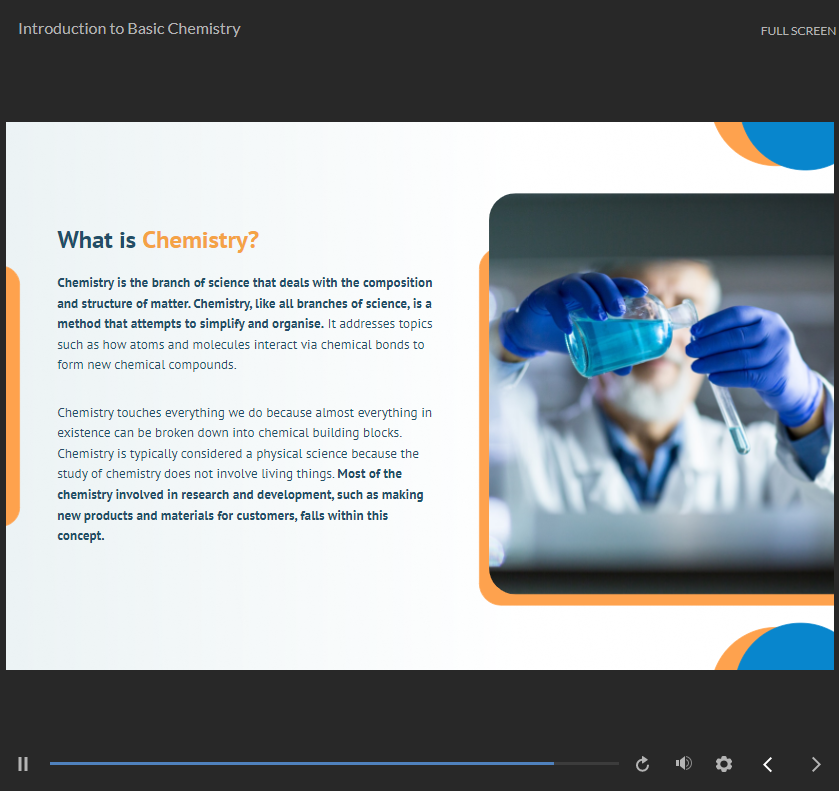
| Module 01: Introduction to Basic Chemistry | |||
| Introduction to Basic Chemistry | 00:22:00 | ||
| Module 02: Understanding Matter | |||
| Understanding Matter | 00:19:00 | ||
| Module 03: Atom | |||
| Atom | 00:39:00 | ||
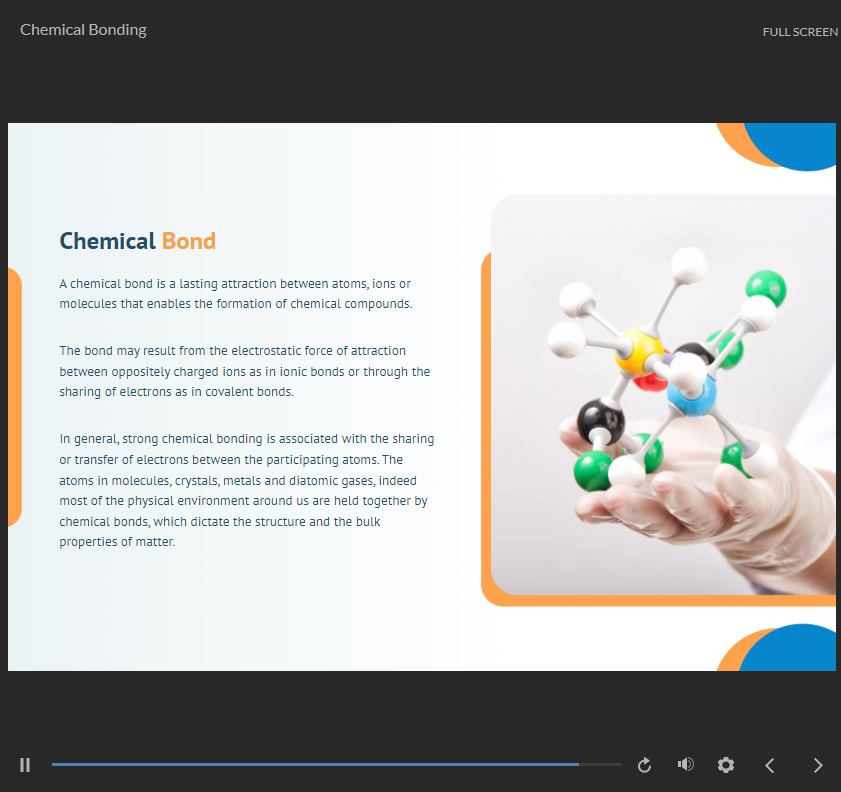
| Module 04: Chemical Bonding | |||
| Chemical Bonding | 00:23:00 | ||
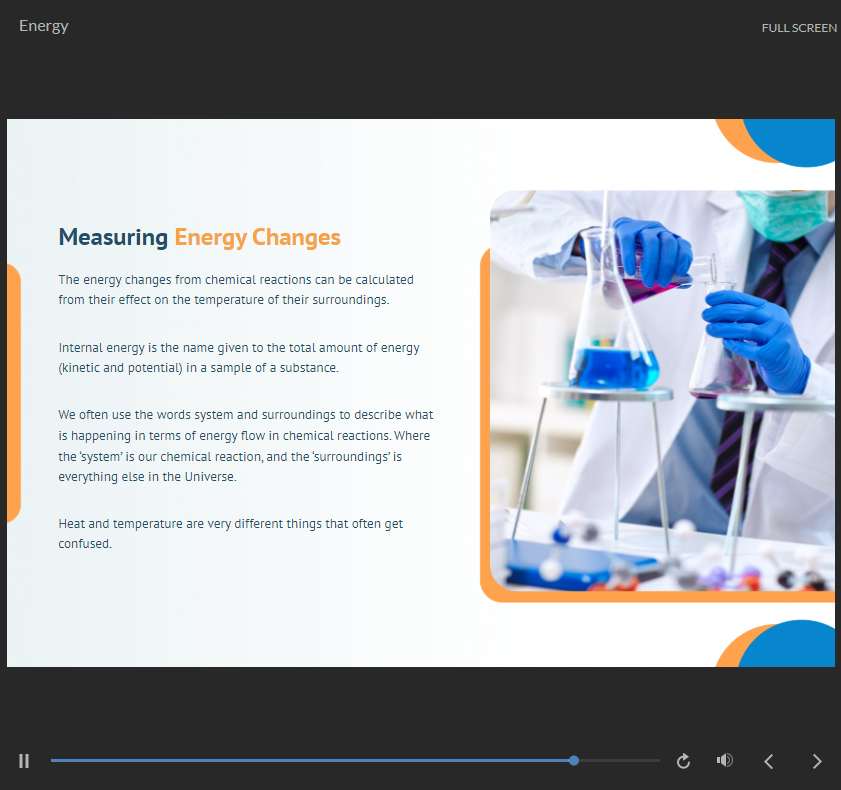
| Module 05: Energy | |||
| Energy | 00:36:00 | ||
| Module 06: Periodic Table | |||
| Periodic Table | 00:33:00 | ||
| Module 07: Intermolecular Forces | |||
| Intermolecular Forces | 00:23:00 | ||
| Module 08: Gases | |||
| Gases | 00:23:00 | ||
| Module 09: Solution | |||
| Solution | 00:24:00 | ||
| Module 10: Chemical Equilibrium | |||
| Chemical Equilibrium | 00:28:00 | ||
| Module 11: Kinetics and Equilibrium | |||
| Kinetics and Equilibrium | 00:15:00 | ||
| Module 12: Acids and Bases | |||
| Acids and Bases | 00:21:00 | ||
| Module 13: pH and pOH | |||
| pH and pOH | 00:21:00 | ||
| Module 14: Reactions Involving Acids and Bases | |||
| Reactions Involving Acids and Bases | 00:23:00 | ||
| Module 15: Redox Reaction | |||
| Redox Reaction | 00:19:00 | ||
| Module 16: Electricity and Chemistry | |||
| Electricity and Chemistry | 00:26:00 | ||
| Module 17: Inorganic Chemistry | |||
| Inorganic Chemistry | 00:22:00 | ||
| Module 18: Organic Chemistry | |||
| Organic Chemistry | 00:42:00 | ||
| Module 19: Biochemistry | |||
| Biochemistry | 00:28:00 | ||
| Module 20: Nuclear Chemistry | |||
| Nuclear Chemistry | 00:25:00 | ||
| Module 21: Industrial Chemistry | |||
| Industrial Chemistry | 00:22:00 | ||
| Module 22: Environmental Chemistry | |||
| Environmental Chemistry | 00:22:00 | ||
| Module 23: Laboratory Safety | |||
| Laboratory Safety | 00:34:00 | ||
| Module 24: Chemical Hygiene Plan | |||
| Chemical Hygiene Plan | 00:12:00 | ||
| Assignment | |||
| Assignment – Chemistry | 2 weeks, 1 day | ||
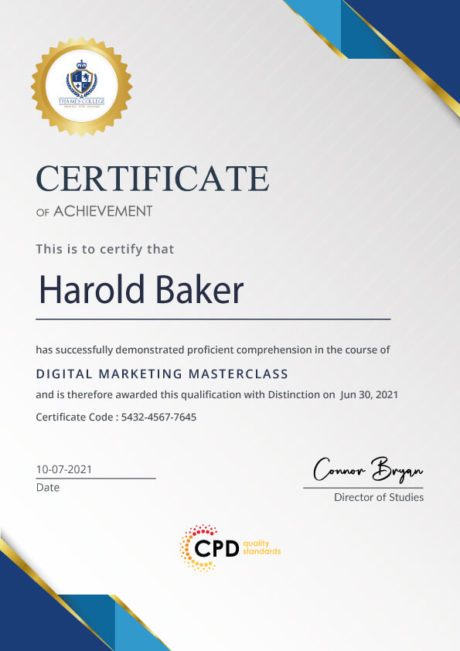
Chemistry is the branch of science that studies the composition, structure, properties and changes of matter. It helps us understand everything from the food we eat and the medicines we use to the materials that shape our daily lives. Learning about chemistry provides a strong foundation for many scientific and technical careers.
Yes. This course is designed for beginners as well as learners who want to refresh their understanding of chemistry science. It starts with fundamental concepts before progressing to more advanced topics, making it suitable for learners with little or no previous knowledge.
The course covers a broad range of essential chemistry topics, including atoms, chemical bonding, the periodic table, gases, chemical equilibrium, acids and bases, organic chemistry, biochemistry, nuclear chemistry, industrial chemistry and laboratory safety. By completing these modules, learners develop a comprehensive understanding of chemistry and its practical applications.
Yes. The Chemistry course from Thames College is delivered through flexible online learning, allowing you to study whenever it suits your schedule. You can access the course materials from any internet-connected computer, tablet or smartphone and progress comfortably at your own pace.
This course helps you build a strong understanding of chemistry science, including chemical reactions, atomic structure, laboratory safety, acids and bases, organic chemistry and environmental chemistry. These skills can support further education, professional development and a wide range of scientific careers.
Exclusive Deal! 95% Off, Today Only!
Offer Ends Soon
 Take All courses for £49

 Access
 Level
Level
 Number of Units
 Duration
- £24.99
- 1 year
- Level 5
- Number of Units25
- Number of Quizzes0
- 2 weeks, 1 day Gift this course
 14-Day Money-Back Guarantee
Exclusive Deal! 95% Off, Today Only!
Discounted Total:- 50% discount for orders of 10+ courses
- 60% discount for orders of 50+ courses
- 70% discount for orders of 100+ courses