


Care Planning and Record Keeping | Health & Safety Online Course
Overview In England, 889,000 people received long-term social care support during 2024/25, highlighting the importance of accurate, person-centred care records. …
 239 Students

CPD Accredited
All of our courses meet recognised CPD Quality Standards, supporting high-quality learning and ongoing professional development.
QLS Endorsed
The Quality Licence Scheme (QLS) is a recognised accreditation framework that endorses high-quality, non-regulated training courses across a wide range of industries.
Association of Healthcare Trainers
The Association of Healthcare Trainers (AoHT) supports excellence in healthcare education by helping training providers deliver up-to-date, industry-focused learning and maintain strong professional standards..

UKRLP Registered
UKRLP registration demonstrates commitment to recognised training and education standards, helping organisations build trust, improve credibility, and showcase their presence within the UK learning and skills sector.
Course Curriculum
| Care Planning and Record Keeping | Health & Safety Online Course | |||
| Module 01: Introduction to the Care Planning Process | 00:17:00 | ||
| Module 02: Planning Care With the Individual in Need | 00:17:00 | ||
| Module 03: Concept Care Mapping | 00:16:00 | ||
| Module 04: Implementing and Evaluating the Care Plan | 00:18:00 | ||
| Module 05: Maintaining Medical Records | 00:20:00 | ||
| Module 06: Care Planning Policy in the UK | 00:16:00 | ||
| Module 07: Confidentiality and Record-Keeping | 00:12:00 | ||
| Module 08: Safeguarding Children, Young People and Their Families | 00:21:00 | ||
| Assignment | |||
| Assignment – Care Planning and Record Keeping | Health & Safety Online Course | 6 days, 4 hours | ||
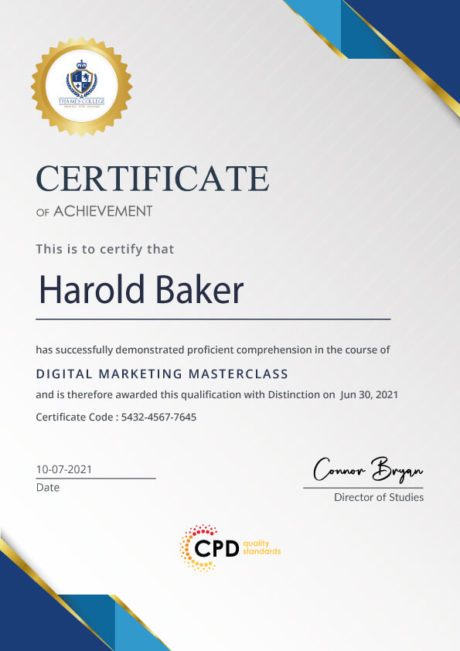
The Care Planning and Record Keeping Course UK is an online programme covering person-centred care plans, care mapping, documentation, medical records, confidentiality, safeguarding and UK care policy. It supports learners seeking broader knowledge for health and social care settings.
Yes, this course is suitable for beginners who want to learn how care plans and records support coordinated services. Learners can build knowledge gradually without needing previous experience in health, social care or professional documentation.
You will learn how to identify care needs, involve individuals, map support, implement plans, review outcomes and maintain medical records. The course also covers confidentiality, UK care planning policy and safeguarding children, young people and families.
Care planning identifies a person’s needs, preferences, goals and agreed support. Record keeping documents decisions, actions, observations and outcomes. Together, they help care teams communicate clearly, monitor changes and provide more consistent support.
Accurate records help care teams share relevant information, monitor progress and maintain continuity of support. Clear documentation can also support accountability, informed decision-making, confidentiality and timely responses when an individual’s needs or circumstances change.
Exclusive Deal! 95% Off, Today Only!
Offer Ends Soon
 Take All courses for £49

 Access
 Level
Level
 Number of Units
 Duration
- £24.99
- 1 year
- Level 3
- Number of Units9
- Number of Quizzes0
- 6 days, 6 hours Gift this course
 14-Day Money-Back Guarantee
Exclusive Deal! 95% Off, Today Only!
Discounted Total:- 50% discount for orders of 10+ courses
- 60% discount for orders of 50+ courses
- 70% discount for orders of 100+ courses