


Behaviour Management: Positive Strategies
Overview Challenging behaviour, conflict, and anti-social actions can create difficulties in schools, workplaces, families, and communities. Many people struggle to …
 243 Students


Course Curriculum
| Module 01: Overview of Anti-social Behaviour | |||
| Overview of Anti-social Behaviour | 00:19:00 | ||
| Module 02: Family Influences on Anti-social Behaviour | |||
| Family Influences on Anti-social Behaviour | 00:22:00 | ||
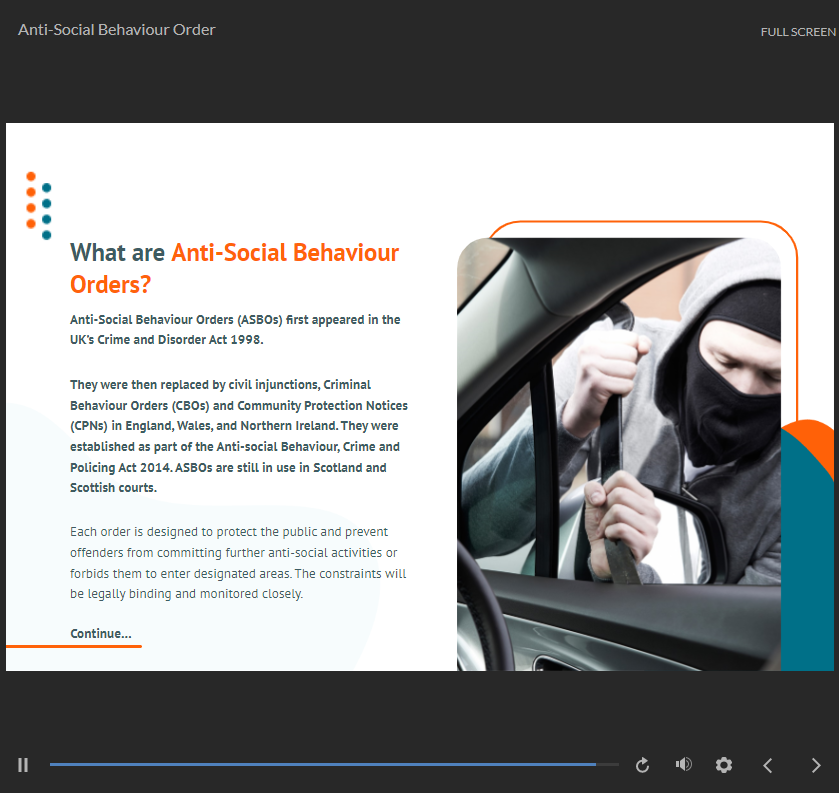
| Module 03: Anti-Social Behaviour Order | |||
| Anti-Social Behaviour Order | 00:22:00 | ||
| Module 04: Anger and Anti-social Behaviour | |||
| Anger and Anti-social Behaviour | 00:22:00 | ||
| Module 05: Understanding Antisocial Personality | |||
| Understanding Antisocial Personality | 00:17:00 | ||
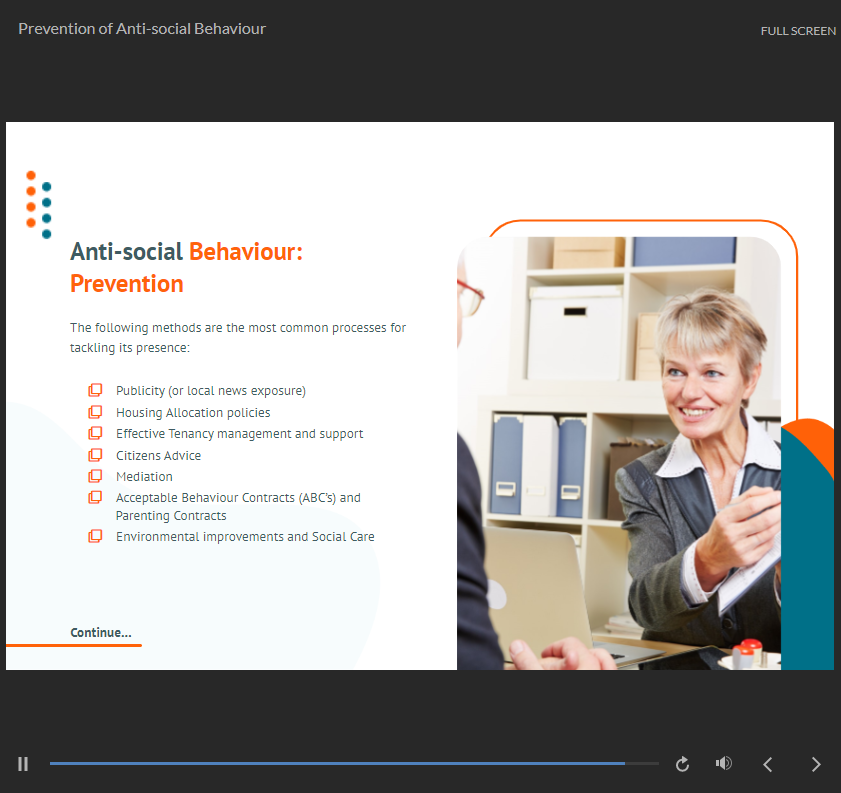
| Module 06: Prevention of Anti-social Behaviour | |||
| Prevention of Anti-social Behaviour | 00:26:00 | ||
| Assignment | |||
| Assignment – Behaviour Management | 6 days, 3 hours | ||

Behaviour management involves using structured approaches to encourage positive behaviour and reduce disruptive or harmful actions. It is commonly used in education, care, community, and workplace settings. Effective behaviour management helps create safer and more supportive environments for everyone involved.
Yes, this course is designed for learners with no previous experience in behaviour management. The lessons introduce key concepts in a straightforward way and gradually explore the factors that influence behaviour. It is suitable for both personal and professional development.
The course focuses on the causes, influences, and prevention of anti-social behaviour. You will learn about family factors, anger-related issues, and personality traits that may contribute to challenging behaviour. This knowledge can help you better understand behavioural challenges in different situations.
Yes, parents and carers can gain useful insights into behavioural development and positive behaviour support. The course helps explain why certain behaviours occur and introduces strategies that may encourage healthier communication and more positive interactions at home.
Behaviour management skills can be valuable in many professional environments. Understanding behaviour, managing conflict, and promoting positive interactions can improve teamwork, communication, and workplace relationships. These skills are relevant across education, care, support, and community-based roles.
Exclusive Deal! 95% Off, Today Only!
Offer Ends Soon
 Take All courses for £49

 Access
 Level
Level
 Number of Units
 Duration
 Course Type
- £24.99
- 1 year
- Level 3
- Number of Units7
- Number of Quizzes0
- 6 days, 5 hours Gift this course
 14-Day Money-Back Guarantee
Exclusive Deal! 95% Off, Today Only!
Discounted Total:- 50% discount for orders of 10+ courses
- 60% discount for orders of 50+ courses
- 70% discount for orders of 100+ courses