trustpilot

How to Survive in War Online Training Course

Explore the economic purpose of taxes and learn about the structure of the tax system.

4.9 4.9 Rating ( 8 Reviews )
121 Students
Bestseller
Great Service
Highly Rated
i Last Updated: 10th June 2026
◎ English
Flexible Schedule
thumbnail

Unlock 3,000+ Courses & Unlimited Free Digital Certificates for £99 Only! Grab Now

Course Overview

War zones can erupt with little warning, leaving civilians, aid workers, journalists, and security personnel in highly dangerous and unpredictable situations. This course is designed to equip learners with life-saving survival knowledge tailored to war-torn environments. 

With increasing global unrest, civilian casualties in war zones rose by 16% in the last two years, including among foreign nationals.

Whether you’re living in a conflict-affected area, working abroad in unstable regions, or preparing for worst-case scenarios, having the skills to stay safe, secure resources, and make sound decisions under stress is essential. War zones present not only direct physical threats like gunfire and explosions but also indirect dangers including lack of food, water, shelter, and medical care. This training focuses on preparation, risk reduction, and survival strategies that help individuals act smartly and stay alive during chaos.

Please Note: Thames College is a One Education approved resale partner for Quality Licence Scheme Endorsed courses.

Description

This course follows a structured 9-module curriculum that prepares learners with a wide range of survival skills specific to war and armed conflict zones. The training begins with the basics of conflict areas, helping learners identify risks and triggers. Module 2 introduces emergency planning, including creating escape plans, assembling go-bags, and securing identification and documents. In Module 3, learners explore how to move safely through active areas—whether by foot or vehicle—and how to avoid threats like checkpoints, snipers, or ambushes.

Shelter and protection strategies in Module 4 teach how to choose safe buildings, protect against debris or attacks, and fortify living spaces. In Module 5, survival techniques around locating food and clean water are covered, including filtration, storage, and rationing. Module 6 focuses on health, including how to treat common injuries, manage chronic conditions, and prevent disease in unsanitary environments. Learners also gain valuable first aid skills for trauma situations.

Communication in war zones can be limited or cut off completely. Module 7 prepares learners to use radios, satellite phones, and understand encrypted messaging. Module 8 addresses family survival strategies, covering child safety, dealing with psychological stress, and family movement coordination. Finally, Module 9 covers the path to recovery—what to expect after conflict, including psychological recovery, rebuilding a life, dealing with authorities, and accessing international aid.

The course is suitable for a wide range of roles including NGO workers, journalists, contractors, private security officers, and citizens living in or travelling to unstable areas. It can also support roles within government and international aid bodies.

Please Note: You’ll get access to the course materials within 72 hours of enrolling. If we don’t grant access within that time, you’ll receive a full refund automatically—no hassle.

Why Choose Thames College?

Thames College offers you the benefit of —

Who Is This Course For?

  • Aid workers and volunteers deployed to crisis regions
  • Journalists and media professionals reporting from unstable territories
  • Civilians in war-prone regions or those travelling to areas of unrest
  • Members of the armed forces or ex-military personnel preparing for advisory roles
  • Security staff working in high-risk global areas
  • Families with relocation plans to unstable or politically fragile nations

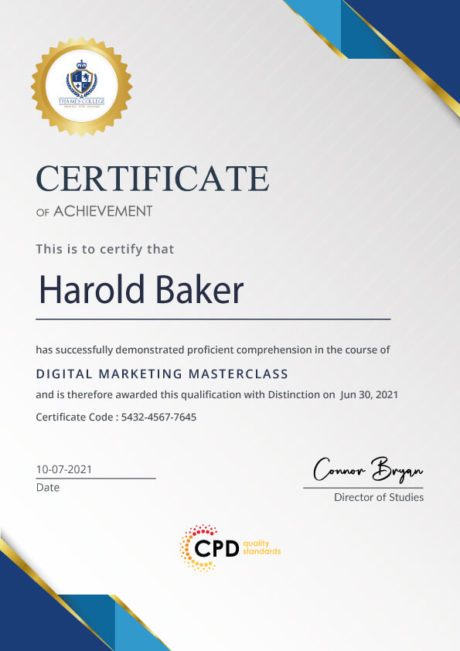
Certificate of Achievement

CPD Certification

After successfully completing the assessment of this [course_title] course, you can apply for the CPD accredited certificates. The PDF version is only £2.99 and the Hardcopy version will cost you £8.99.

Requirements

No formal entry requirements! No prerequisites or relevant experience is required!

This course is accessible to anyone with an eagerness to learn. All you require is—

Career Path

  • Conflict Zone Safety Officer – £30,000 to £45,000
  • Humanitarian Field Worker – £22,000 to £38,000
  • Security Consultant – £35,000 to £60,000
  • Crisis Response Officer – £28,000 to £48,000
  • International Aid Coordinator – £30,000 to £50,000
  • Emergency Evacuation Planner – £26,000 to £42,000

Course Curriculum

Module 1: Basics of Conflict Zones
Module 1: Basics of Conflict Zones 01:16:00
Module 2: Emergency Planning and Preparedness
Module 2: Emergency Planning and Preparedness 01:08:00
Module 3: Personal Safety and Movement
Module 3: Personal Safety and Movement 01:04:00
Module 4: Shelter and Protection
Module 4: Shelter and Protection 01:12:00
Module 5: Food and Water Survival
Module 5: Food and Water Survival 01:10:00
Module 6: First Aid and Health in Conflict
Module 6: First Aid and Health in Conflict 00:54:00
Module 7: Communication and Information
Module 7: Communication and Information 01:04:00
Module 8: Warzone Survival for Families
Module 8: Warzone Survival for Families 00:54:00
Module 9: Post-Conflict Recovery and Resettlement
Module 9: Post-Conflict Recovery and Resettlement 00:58:00

Certificate of Achievement

Upon completion, you will receive a CPD-accredited certificate recognised globally. Choose from:

Pdf Certificate & Transcript  £7.99
Hardcopy Certificate & Transcript  £17.99

This certification validates your knowledge and skills, boosting your employability in healthcare.

top