


Advanced Parenting Skills
Overview Parenting can feel overwhelming when communication breaks down, behaviour becomes challenging, and children need calm, consistent guidance. With many …
 51 Students

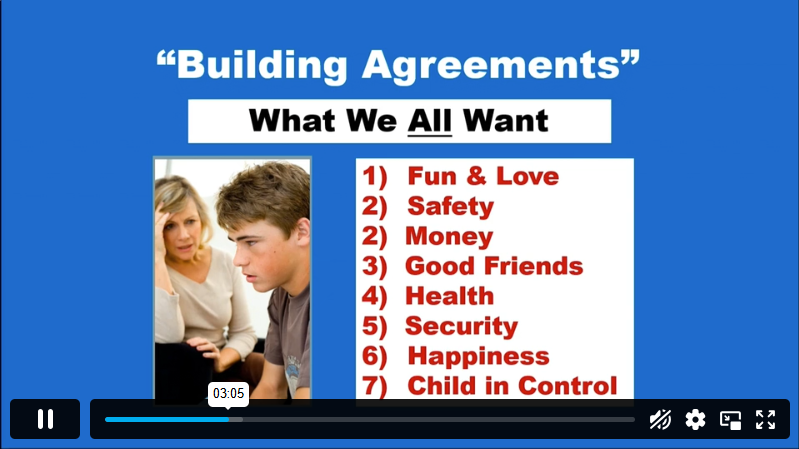
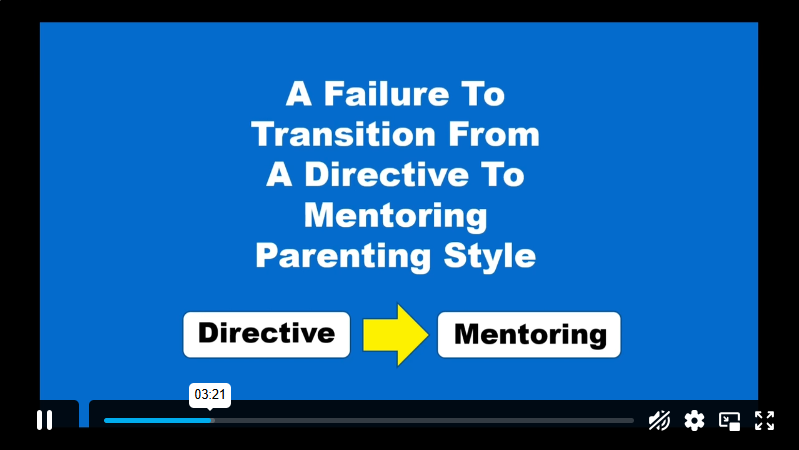

Course Curriculum
| Advanced Parenting Skills Training Course | |||
| Advance Parenting Skills Promo | 00:02:00 | ||
| Training Goals | 00:12:00 | ||
| The Myth of: Nothing to It Parenting | 00:31:00 | ||
| 2 Phases of Parenting: Point and Click Phase, Adolescent Phase | 00:26:00 | ||
| Adolescent Phase | 00:17:00 | ||
| Start to Teach Good Values Early! | 00:13:00 | ||
| Parenting Basic | 00:05:00 | ||
| Communication Skills | 00:33:00 | ||
| Re-Framing | 00:13:00 | ||
| Why Do Kids Do The Things They do | 00:15:00 | ||
| Parents Pledge | 00:16:00 | ||
| Discipline | 00:13:00 | ||
| Life Lessons | 00:10:00 | ||
| Assignment | |||
| Assignment – Advanced Parenting Skills | 6 days, 3 hours | ||
Advanced Parenting Skills is an online parenting course covering parenting goals, child behaviour, adolescent development, family values, communication, reframing, discipline, and life lessons. It supports learners who want stronger parenting awareness, child wellbeing knowledge, and family communication skills.
Yes, this parenting course is suitable for beginners who want clear, structured guidance. It can support parents, carers, childcare learners, teaching assistants, youth support learners, and family support learners who want more confidence in everyday parenting situations.
You will learn about parenting phases, adolescent behaviour, teaching values early, parenting basics, communication skills, reframing challenges, discipline, boundaries, and life lessons. The course helps learners understand children’s behaviour and respond with calmer, more consistent guidance.
Yes, the course includes the adolescent phase of parenting. Learners explore how children’s needs can change as they grow, why teenage behaviour may become challenging, and how calm communication, boundaries, and values can support family relationships.
Yes, this course can support knowledge for childcare, family support, youth work, education support, and community roles. Some employers may still require safeguarding training, DBS checks, work experience, regulated qualifications, or role-specific workplace training.
Exclusive Deal! 95% Off, Today Only!
Offer Ends Soon
 Take All courses for £49

 Access
 Level
Level
 Number of Units
 Duration
 Course Type
- £24.99
- 1 year
- Level 3
- Number of Units14
- Number of Quizzes0
- 6 days, 6 hours Gift this course
 14-Day Money-Back Guarantee
Exclusive Deal! 95% Off, Today Only!
Discounted Total:- 50% discount for orders of 10+ courses
- 60% discount for orders of 50+ courses
- 70% discount for orders of 100+ courses