


Ambulance Care Assistant
Become acquainted with the treatments for traumas and bruises and the ability to perform whole CPR and rescue techniques, handle risks, and assist patients.
 362 Students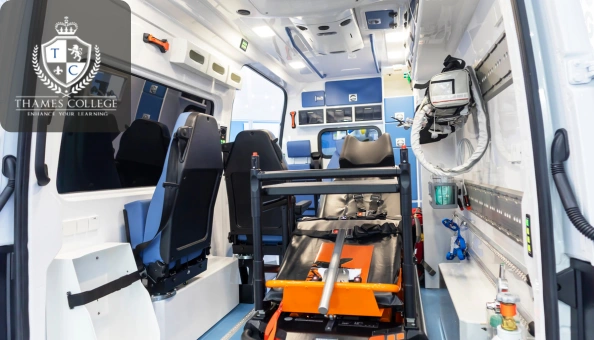

Course Curriculum
| Ambulance Care Assistant | |||
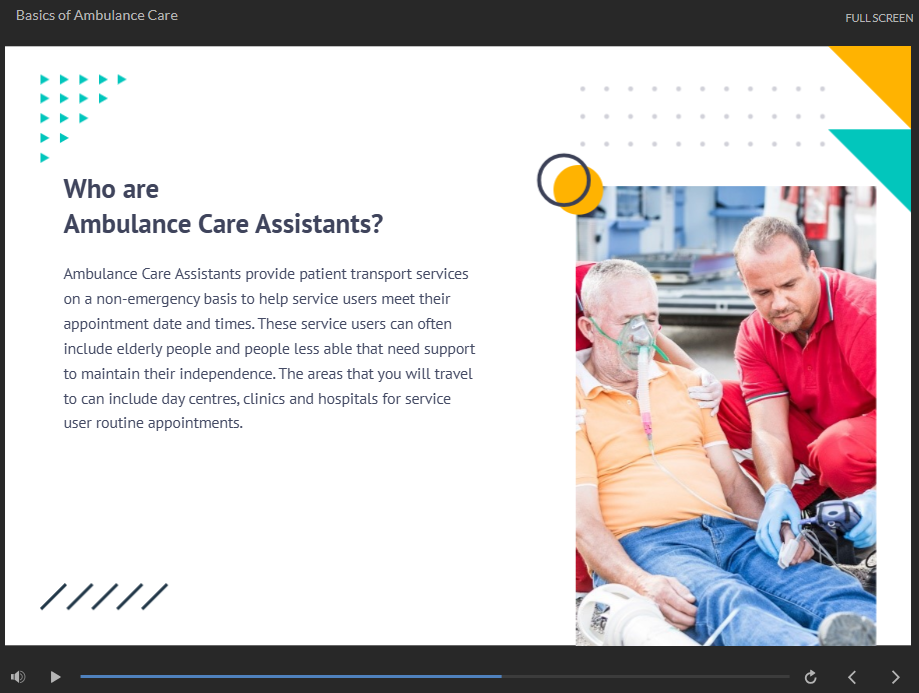
| Module 01: Basics of Ambulance Care | 00:19:00 | ||
| Module 02: Paediatric First Aid | 00:17:00 | ||
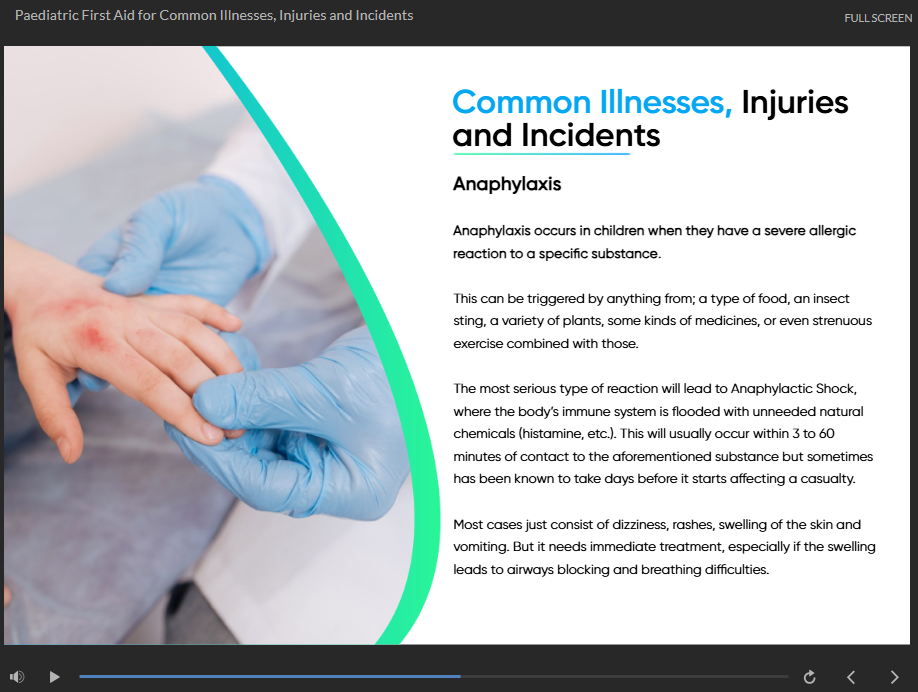
| Module: 03: Paediatric First Aid for Common Illnesses, Injuries and Incidents | 00:37:00 | ||
| Module 04: Loss of Responsiveness and CPR | 00:19:00 | ||
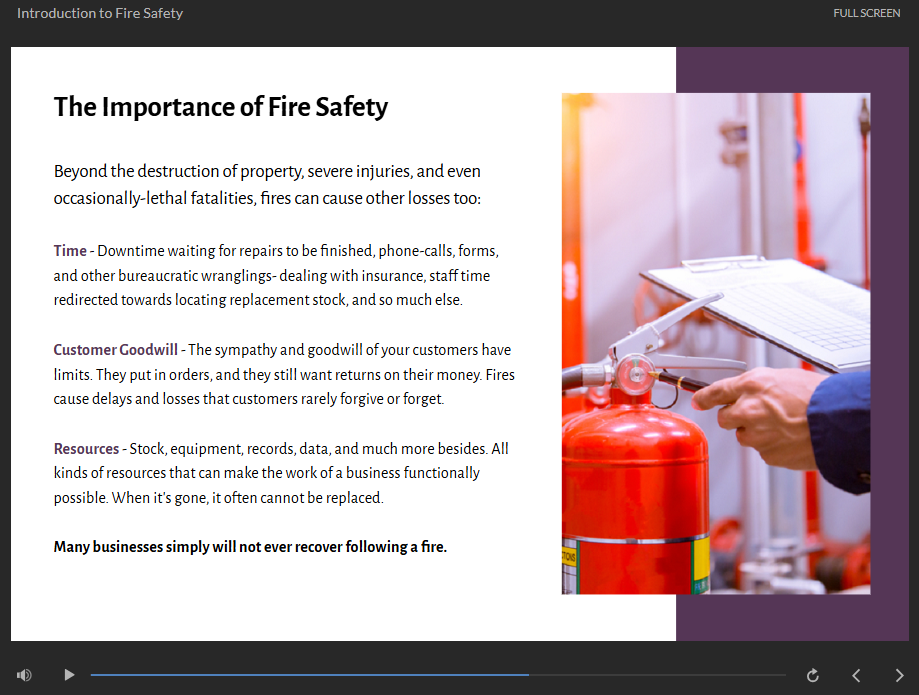
| Module 05: Fire Safety | 00:34:00 | ||
| Module 06: Manual Handling Hazards and Injuries | 00:35:00 | ||
| Module 07: Ambulance Maintenance | 00:28:00 | ||
| Mock Exam | |||
| Mock Exam – Ambulance Care Assistant | 00:20:00 | ||
| Final Exam | |||
| Final Exam – Ambulance Care Assistant | 00:20:00 | ||

Course Reviews
No Reviews found for this course.
Ambulance Care Assistant is an online healthcare support course covering ambulance care basics, patient transport awareness, paediatric first aid, CPR, fire safety, manual handling hazards and ambulance maintenance. It supports learners interested in ambulance, care and patient transport roles.
Yes, this course can support beginners who want to understand ambulance care and patient transport. The lessons introduce first aid awareness, CPR, fire safety, manual handling and ambulance maintenance in a clear format for new healthcare support learners.
Yes, Ambulance Care Assistant can be studied online, making it suitable for learners balancing work, care duties, job applications or professional development. Online study gives flexible access to course materials without needing fixed classroom attendance or travel.
The course covers ambulance care basics, paediatric first aid, common paediatric illnesses, injuries and incidents, loss of responsiveness, CPR awareness, fire safety, manual handling hazards, ambulance maintenance, mock exam and final exam preparation.
No, this course supports ambulance care and patient transport awareness. Ambulance service roles may require employer training, DBS checks, driving licence checks, occupational health clearance, induction, supervised experience and role-specific assessment.
Exclusive Deal! 95% Off, Today Only!
Offer Ends Soon
 Take All courses for £49

 Access
 Level
Level
 Number of Units
 Duration
 Course Type
- £24.99
- 1 year
- Intermediate
- Number of Units7
- Number of Quizzes2
- 3 hours, 49 minutes Gift this course
 14-Day Money-Back Guarantee
Exclusive Deal! 95% Off, Today Only!
Discounted Total:- 50% discount for orders of 10+ courses
- 60% discount for orders of 50+ courses
- 70% discount for orders of 100+ courses