


Biotechnology Course Online
Overview Scientific advances are transforming healthcare, agriculture, manufacturing, and environmental management, yet many people struggle to understand the science behind …
 243 Students

Course Curriculum
| Module 1 - Introduction to Biotechnology | |||
| Introduction to Biotechnology | 00:19:00 | ||
| Module 2- Biotechnology in the Realm of History | |||
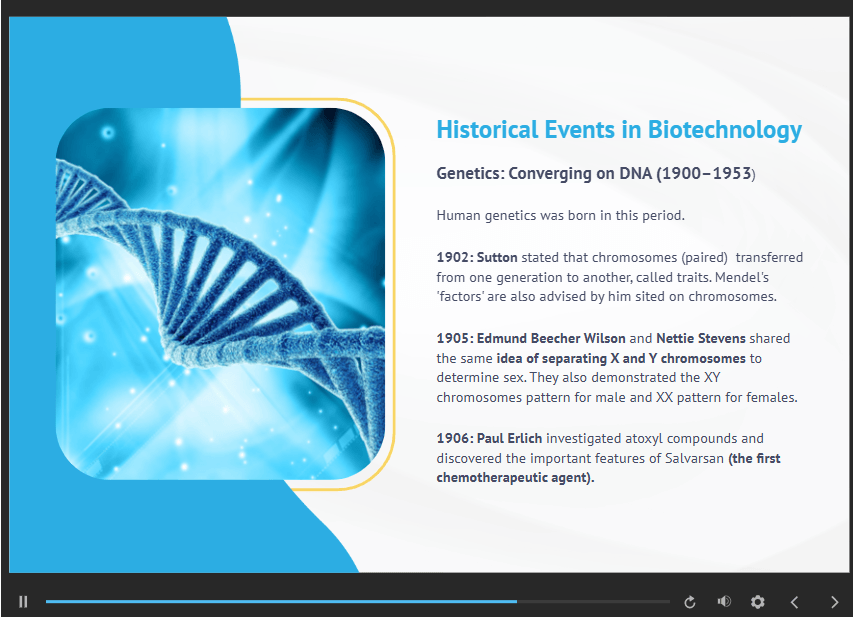
| Biotechnology in the Realm of History | 00:27:00 | ||
| Module 3- Molecular and Cellular Biology | |||
| Molecular and Cellular Biology | 00:27:00 | ||
| Module 4 - Biotechnology Versus Molecular Biology | |||
| Biotechnology Versus Molecular Biology | 00:11:00 | ||
| Module 5- Genetic Engineering | |||
| Genetic Engineering | 00:16:00 | ||
| Module 6- Biotechnology in Health Sector | |||
| Biotechnology in Health Sector | 00:11:00 | ||
| Module 7- Industrial Biotechnology | |||
| Industrial Biotechnology | 00:14:00 | ||
| Module 8- Biotechnology in a Business Perspective | |||
| Biotechnology in a Business Perspective | 00:13:00 | ||
| Assignment | |||
| Assignment – Biotechnology | 2 weeks, 3 days | ||
Biotechnology uses living organisms, biological systems, and scientific processes to develop products and technologies that benefit society. It plays a major role in healthcare, agriculture, food production, and environmental sustainability. Advances in biotechnology continue to improve quality of life around the world.
Yes, this course is designed to introduce biotechnology concepts in a clear and accessible way. It starts with fundamental topics before exploring more advanced applications. No extensive scientific background is required to begin learning.
The course covers biotechnology history, molecular and cellular biology, genetic engineering, healthcare applications, industrial biotechnology, and biotechnology business concepts. These topics provide a broad overview of the field. Learners gain insight into both scientific and commercial aspects of biotechnology.
Biotechnology supports careers in research, laboratories, healthcare, pharmaceuticals, manufacturing, and scientific development. The knowledge gained from this course can help learners understand industry practices and future study pathways. It can also strengthen awareness of growing biotechnology sectors.
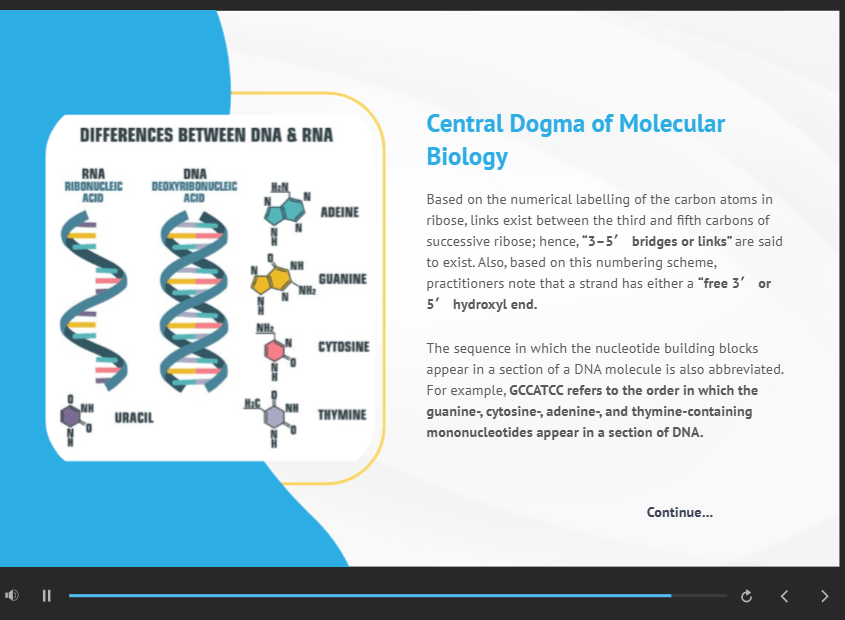
Molecular biology focuses on studying biological processes at the molecular level, including DNA, RNA, and proteins. Biotechnology applies this scientific knowledge to develop products, treatments, and technologies. The two fields are closely connected but serve different purposes.
Exclusive Deal! 95% Off, Today Only!
Offer Ends Soon
 Take All courses for £49

 Access
 Level
Level
 Number of Units
 Duration
 Course Type
- £24.99
- 1 year
- Level 4
- Number of Units9
- Number of Quizzes0
- 2 weeks, 3 days Gift this course
 14-Day Money-Back Guarantee
Exclusive Deal! 95% Off, Today Only!
Discounted Total:- 50% discount for orders of 10+ courses
- 60% discount for orders of 50+ courses
- 70% discount for orders of 100+ courses