


Bug Bounty – Web Application Penetration Testing Bootcamp
Overview Spot the value of secure digital skills with the Bug Bounty – Web Application Penetration Testing Bootcamp. The UK …
 242 Students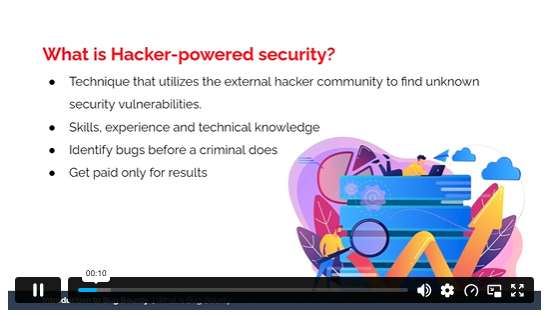

Course Curriculum
| Section 01: Introduction to the Bug Bounty Course | |||
| We are pleased to have you on board! | 00:04:00 | ||
| Section 02: Let's clear Cyber Security Fundamentals | |||
| What is Security? | 00:06:00 | ||
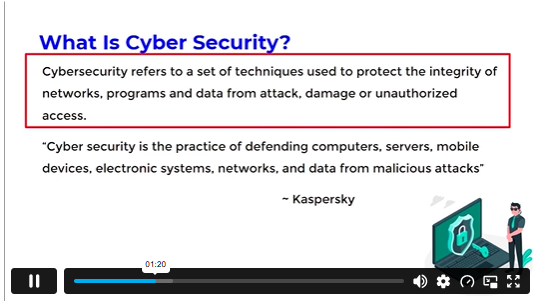
| What is Cyber Security? | 00:05:00 | ||
| History of Cyber Security | 00:07:00 | ||
| How to Become a Cyber Security Professional? | 00:08:00 | ||
| Section 03: Getting started with Bug Bounty! | |||
| Types of Actors | 00:09:00 | ||
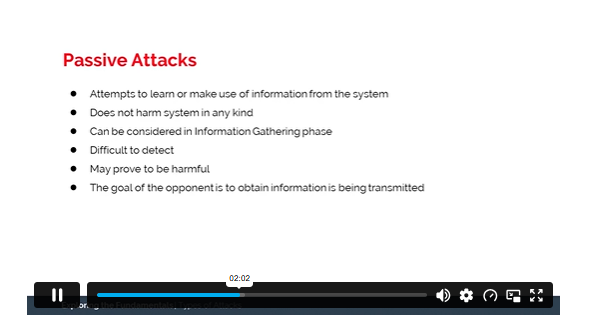
| What is a Passive Attack? | 00:05:00 | ||
| What is an Active Attack? | 00:05:00 | ||
| Section 04: The Core Concepts of Bug Bounty! | |||
| Why do we need to fix the Vulnerabilities? | 00:05:00 | ||
| Hacker Sponsored Security | 00:03:00 | ||
| Key Terms in Bug Bounty Program | 00:05:00 | ||
| Public and Private Bug Bounty Program | 00:04:00 | ||
| What is HackerOne? | 00:05:00 | ||
| Why organizations will hire you as a Bug Bounty Hunter? Part 1 | 00:02:00 | ||
| Why organizations will hire you as a Bug Bounty Hunter? Part 2 | 00:02:00 | ||
| Why organizations will hire you as a Bug Bounty Hunter? Part 3 | 00:05:00 | ||
| Section 05: Networking Fundamentals for Web Pentesting | |||
| What is an Address in Networking? | 00:09:00 | ||
| What is an IP Address? | 00:07:00 | ||
| Classes of IP Address | 00:10:00 | ||
| How to find our own IP Address? | 00:03:00 | ||
| How to find our own MAC Address? | 00:05:00 | ||
| What is Domain Name System? | 00:03:00 | ||
| What is Name Resolution Process? | 00:06:00 | ||
| Why UDP is used in Name Resolution Process? | 00:04:00 | ||
| What is HTTP? | 00:04:00 | ||
| Why do we prefer HTTPS over HTTP? | 00:05:00 | ||
| Section 06: Diving Deep into Penetration Testing | |||
| Ethical Hacking Terminologies | 00:06:00 | ||
| What is Vulnerability Assessment? | 00:04:00 | ||
| Penetration Testing Methodologies | 00:07:00 | ||
| What are the different types of Penetration tests? | 00:06:00 | ||
| IMPORTANT – Phases of Penetration Testing | 00:04:00 | ||
| 10 Steps Bug Bounty Experts follow! | 00:04:00 | ||
| Section 07: Setting up your Bug Bounty Lab | |||
| What is Linux Operating System? | 00:04:00 | ||
| What is Kali Linux? | 00:03:00 | ||
| Virtual Box Installation | 00:06:00 | ||
| How to install Kali Linux in Virtual Box? | 00:12:00 | ||
| How to install Metasploitable in Virtual Box? | 00:09:00 | ||
| Our hacking machine – DVWA | 00:18:00 | ||
| How to browse anonymously using TOR? | 00:09:00 | ||
| Executing Basic Commands in Kali Linux | 00:12:00 | ||
| Executing Advance Commands in Kali Linux | 00:14:00 | ||
| Section 08: Information Gathering Phase | |||
| What is Information Gathering? | 00:08:00 | ||
| Information Gathering using MALTEGO Part 1 | 00:07:00 | ||
| Information Gathering using MALTEGO Part 2 | 00:06:00 | ||
| Website Mirroring using HTTrack | 00:05:00 | ||
| Information Gathering using The Harvester | 00:02:00 | ||
| Information Gathering using OSINT Framework | 00:05:00 | ||
| Information Gathering using NSLOOKUP | 00:03:00 | ||
| Information Gathering using Red Hawk Tool | 00:05:00 | ||
| Find vulnerable webcams using SHODAN Search Engine | 00:09:00 | ||
| Section 09: Scanning and Enumeration Phase | |||
| What is Scanning? | 00:07:00 | ||
| What is NMAP? | 00:05:00 | ||
| Scan networks using ZENMAP | 00:17:00 | ||
| What is enumeration? | 00:03:00 | ||
| Types of Enumeration | 00:03:00 | ||
| Enumeration using SuperScan | 00:07:00 | ||
| Enumeration using Hyena | 00:06:00 | ||
| Section 10: Vulnerability Assessment Phase | |||
| What is Vulnerability Assessment? | 00:04:00 | ||
| Phases of Vulnerability Assessment and Penetration Testing | 00:08:00 | ||
| Vulnerability Scoring Systems | 00:09:00 | ||
| Introduction to Nessus Vulnerability Scanning | 00:05:00 | ||
| How to configure a scan in Nessus? | 00:08:00 | ||
| Analyze Nessus Scan Results | 00:08:00 | ||
| Section 11: Web Server Penetration Testing | |||
| What is a Web Server? | 00:05:00 | ||
| Web Server Attacks | 00:05:00 | ||
| Web Server Penetration Testing | 00:04:00 | ||
| Web Server Countermeasures | 00:05:00 | ||
| Section 12: OWASP Top 10 Vulnerabilities and Website Footprinting | |||
| OWASP Top 10 Attacks: Part 1 | 00:05:00 | ||
| OWASP Top 10 Attacks: Part 2 | 00:07:00 | ||
| Website Foot printing Part 1 | 00:05:00 | ||
| Website Foot printing Part 2 | 00:03:00 | ||
| Section 13: Command Execution and Find upload Vulnerabilities | |||
| Exploiting Basic Command Execution Vulnerability | 00:07:00 | ||
| Exploiting Advance Command Execution Vulnerability | 00:07:00 | ||
| Configuring Burp Suite | 00:16:00 | ||
| Exploiting Basic File Upload Vulnerability | 00:10:00 | ||
| Exploiting Intermediate File Upload Vulnerability | 00:07:00 | ||
| Exploiting Advance File Upload Vulnerability | 00:08:00 | ||
| Section 14: SQL Injection and Database Hacking | |||
| What is SQL Injection Vulnerability? | 00:04:00 | ||
| Types of SQL Injection Vulnerabilities | 00:05:00 | ||
| How to carry out manual SQL Injection? | 00:17:00 | ||
| Automating SQL Injection Vulnerability using SQL map | 00:09:00 | ||
| How to prevent SQL Injection Attacks? | 00:03:00 | ||
| Section 15: Cross Site Scripting (XSS) | |||
| What is XSS? | 00:03:00 | ||
| Types of XSS Attacks | 00:06:00 | ||
| Exploiting Basic XSS Vulnerability | 00:11:00 | ||
| Exploiting Intermediate XSS Vulnerability | 00:05:00 | ||
| Exploiting Advance XSS Vulnerability | 00:11:00 | ||
| How to prevent XSS Attacks? | 00:04:00 | ||
| Section 16: Password Cracking and Cross Site Request Forgery (CSRF) | |||
| What is CSRF? | 00:06:00 | ||
| What is a Brute Force Attack? | 00:05:00 | ||
| How to crack usernames and passwords using Burp Suite? | 00:18:00 | ||
| Section 17: Web Application Penetration Testing Guide | |||
| The complete guide to Website Penetration Testing | 00:09:00 | ||
| Web Application Countermeasures | 00:06:00 | ||
| Section 18: Denial of Service (DOS) | |||
| What is a DOS/DDOS Attack? | 00:03:00 | ||
| Types of DOS Attacks? | 00:05:00 | ||
| What is a BOTNET? | 00:03:00 | ||
| Section 19: IMPORTANT - Writing a BUG BOUNTY report | |||
| Start writing a bug bounty report! | 00:08:00 | ||
| Components of a Bug Bounty Report | 00:14:00 | ||
| Exploiting CSRF Vulnerability? | 00:07:00 | ||
| Assignment | |||
| Assignment -Bug Bounty – Web Application Penetration Testing Bootcamp | 00:00:00 | ||

A Bug Bounty course teaches learners how authorised security research works. It introduces web application security, ethical testing principles, vulnerability awareness and responsible reporting so learners can understand how security issues are found and reported safely.
Yes, this bug bounty course is suitable for beginners who want to start learning cyber security. It begins with security basics, bug bounty ideas, common web risks and responsible testing rules before moving into wider penetration testing concepts.
You will learn cyber security fundamentals, bug bounty concepts, networking basics, vulnerability assessment, web server security, OWASP risks and report writing. The course focuses on permission-based learning and helps learners build safer knowledge of web security testing.
Bug bounty testing is legal only when you have clear permission from the organisation or approved programme. Testing websites, apps or systems without authorisation is not acceptable and can lead to serious legal and professional consequences.
Bug bounty work usually involves authorised researchers reporting security issues through a programme. Penetration testing is often a planned security assessment with a defined scope, method and report agreed between the tester and the organisation.
Exclusive Deal! 95% Off, Today Only!
Offer Ends Soon
 Take All courses for £49

 Access
 Level
Level
 Number of Units
 Duration
 Course Type
- Original price was: £425.00.£24.99Current price is: £24.99.
- 1 year
- Intermediate
- Number of Units100
- Number of Quizzes0
- 10 hours, 50 minutes Gift this course
 14-Day Money-Back Guarantee
Exclusive Deal! 95% Off, Today Only!
Discounted Total:- 50% discount for orders of 10+ courses
- 60% discount for orders of 50+ courses
- 70% discount for orders of 100+ courses