
Catering & Food Safety
Overview Food Standards Agency research found that 44% of surveyed consumers had checked a food business’s hygiene rating during the …
 247 Students

CPD Accredited
All of our courses meet recognised CPD Quality Standards, supporting high-quality learning and ongoing professional development.
QLS Endorsed
The Quality Licence Scheme (QLS) is a recognised accreditation framework that endorses high-quality, non-regulated training courses across a wide range of industries.
Association of Healthcare Trainers
The Association of Healthcare Trainers (AoHT) supports excellence in healthcare education by helping training providers deliver up-to-date, industry-focused learning and maintain strong professional standards..

UKRLP Registered
UKRLP registration demonstrates commitment to recognised training and education standards, helping organisations build trust, improve credibility, and showcase their presence within the UK learning and skills sector.
Course Curriculum
| Module 1: An Overview of Catering Business | |||
| An Overview of Catering Business | 00:17:00 | ||
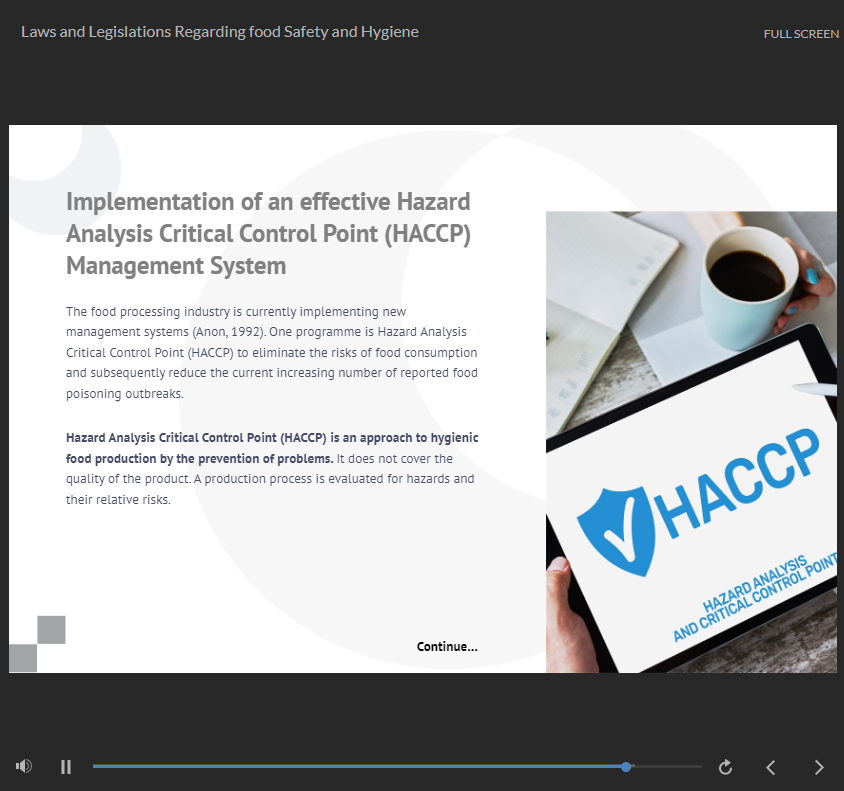
| Module 2: Laws and Legislations Regarding food Safety and Hygiene | |||
| Laws and Legislations Regarding food Safety and Hygiene | 00:18:00 | ||
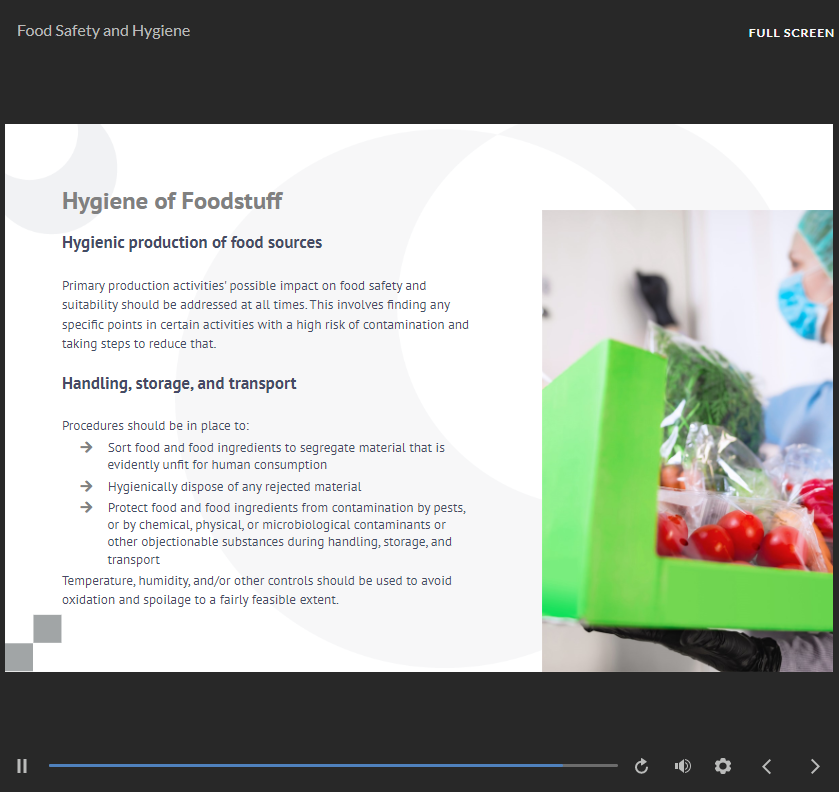
| Module 3: Food Safety and Hygiene | |||
| Food Safety and Hygiene | 00:18:00 | ||
| Module 4: Food Safety in Catering | |||
| Food Safety in Catering | 00:24:00 | ||
| Module 5: Management of Food and Beverage Operations | |||
| Management of Food and Beverage Operations | 00:22:00 | ||
| Module 6: Marketing and Human Resource | |||
| Marketing and Human Resource | 00:18:00 | ||
| Assignment | |||
| Assignment -Catering & Food Safety | 2 weeks, 4 days | ||
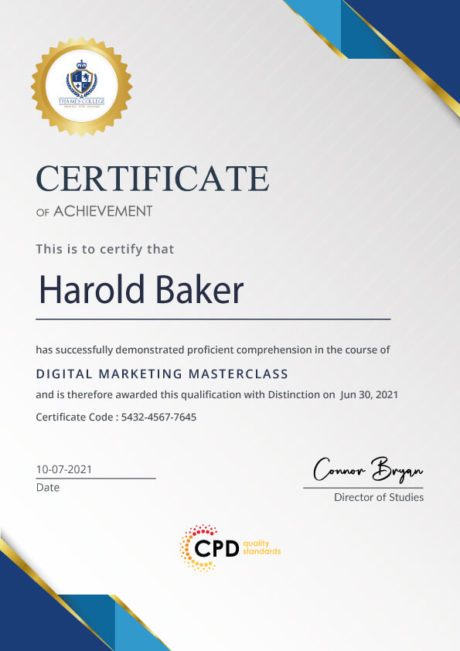
The Catering and Food Safety Course UK is an online programme covering catering operations, food hygiene, legal duties, contamination prevention, food and beverage management, marketing and staffing. It supports learners who want broader knowledge for hospitality and food-service settings.
Yes, the course is suitable for beginners because previous catering experience is not required. Lessons introduce key topics in a logical order, allowing learners to build knowledge of food safety, hygiene, service operations and catering management through flexible online study.
Learners study catering business basics, food safety legislation, hygiene responsibilities, contamination controls, food and beverage operations, marketing and human resources. The course also explains how organised procedures and responsible working practices can support safer, more consistent catering services.
Food safety helps reduce the risk of contamination and foodborne illness while supporting customer confidence and legal compliance. In catering environments, clear hygiene procedures also help teams prepare, store and serve food more responsibly and consistently.
Yes, the curriculum introduces food safety and hygiene legislation relevant to catering. Learners develop awareness of workplace responsibilities, safe procedures and suitable controls. Employers may still require additional role-specific training, certification or supervised workplace instruction.
Exclusive Deal! 95% Off, Today Only!
Offer Ends Soon
 Take All courses for £49

 Access
 Level
Level
 Number of Units
 Duration
 Course Type
- £19.99
- 1 year
- Level 4
- Number of Units7
- Number of Quizzes0
- 2 weeks, 4 days Gift this course
 14-Day Money-Back Guarantee
Exclusive Deal! 95% Off, Today Only!
Discounted Total:- 50% discount for orders of 10+ courses
- 60% discount for orders of 50+ courses
- 70% discount for orders of 100+ courses