
Cerebral Palsy (CP) Awareness
Overview Cerebral palsy affects thousands of people across the UK, influencing movement, communication, posture and everyday activities. With around 1,800 …
 236 Students


CPD Accredited
All of our courses meet recognised CPD Quality Standards, supporting high-quality learning and ongoing professional development.
QLS Endorsed
The Quality Licence Scheme (QLS) is a recognised accreditation framework that endorses high-quality, non-regulated training courses across a wide range of industries.
Association of Healthcare Trainers
The Association of Healthcare Trainers (AoHT) supports excellence in healthcare education by helping training providers deliver up-to-date, industry-focused learning and maintain strong professional standards..
UKRLP Registered
UKRLP registration demonstrates commitment to recognised training and education standards, helping organisations build trust, improve credibility, and showcase their presence within the UK learning and skills sector.
Course Curriculum
| Module 01: Understanding Cerebral Palsy | |||
| Understanding Cerebral Palsy | 00:15:00 | ||
| Module 02: Causes and Symptoms of Cerebral Palsy | |||
| Causes and Symptoms of Cerebral Palsy | 00:19:00 | ||
| Module 03: Epidemiology of Cerebral Palsy | |||
| Epidemiology of Cerebral Palsy | 00:13:00 | ||
| Module 04: Diagnosis of Cerebral Palsy | |||
| Diagnosis of Cerebral Palsy | 00:16:00 | ||
| Module 05: Principles of Treatment | |||
| Principles of Treatment | 00:21:00 | ||
| Module 06: Principles of Rehabilitation: Occupational and Physical Therapy | |||
| Principles of Rehabilitation: Occupational and Physical Therapy | 00:20:00 | ||
| Module 07: Care Planning | |||
| Care Planning | 00:16:00 | ||
| Module 08: Typical Child vs Child with Cerebral Palsy | |||
| Typical Child vs Child with Cerebral Palsy | 00:18:00 | ||
| Module 09: Child, Family and Therapist Working as a Team | |||
| Child, Family and Therapist Working as a Team | 00:21:00 | ||
| Assignment | |||
| Assignment – Cerebral Palsy Awareness | 2 weeks, 4 days | ||
The Cerebral Palsy (CP) Awareness Course is an online programme designed to introduce learners to cerebral palsy, including causes, symptoms, diagnosis, support approaches, rehabilitation concepts and care planning. It helps develop awareness for education, care and family support environments.
Yes, this course is suitable for beginners, carers, teachers, support workers, healthcare learners and family members. It starts with fundamental concepts before covering diagnosis, rehabilitation and support strategies, allowing learners to build knowledge without requiring previous specialist experience.
Learners explore cerebral palsy foundations, causes, symptoms, diagnosis, treatment principles, rehabilitation, occupational therapy, physical therapy, care planning and child development. The course also explains collaboration between families and professionals to support individuals with cerebral palsy.
Cerebral palsy develops when the brain experiences changes affecting movement and coordination during early development. Causes can vary between individuals and may occur before, during or shortly after birth. Healthcare professionals assess each person’s condition through appropriate medical evaluation.
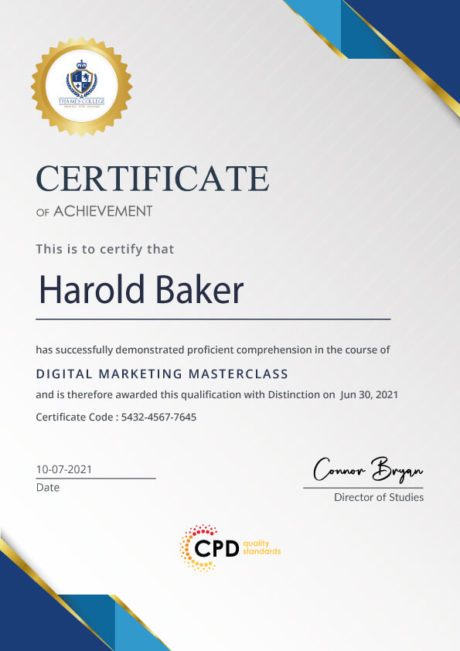
Successful learners may receive certification recognising their completed training. A certificate can support personal development and demonstrate knowledge gained through the course, but it does not replace regulated healthcare qualifications or professional requirements for specialist roles.
Exclusive Deal! 95% Off, Today Only!
Offer Ends Soon
 Take All courses for £49

 Access
 Level
Level
 Number of Units
 Duration
 Course Type
- £24.99
- 1 year
- Level 4
- Number of Units10
- Number of Quizzes0
- 2 weeks, 4 days Gift this course
 14-Day Money-Back Guarantee
Exclusive Deal! 95% Off, Today Only!
Discounted Total:- 50% discount for orders of 10+ courses
- 60% discount for orders of 50+ courses
- 70% discount for orders of 100+ courses