


Certificate in Leadership
Overview With 82% of UK managers entering management roles without formal leadership training, according to Chartered Management Institute research, strong …
 243 Students

CPD Accredited
All of our courses meet recognised CPD Quality Standards, supporting high-quality learning and ongoing professional development.
QLS Endorsed
The Quality Licence Scheme (QLS) is a recognised accreditation framework that endorses high-quality, non-regulated training courses across a wide range of industries.

Association of Healthcare Trainers
The Association of Healthcare Trainers (AoHT) supports excellence in healthcare education by helping training providers deliver up-to-date, industry-focused learning and maintain strong professional standards..

UKRLP Registered
UKRLP registration demonstrates commitment to recognised training and education standards, helping organisations build trust, improve credibility, and showcase their presence within the UK learning and skills sector.
Course Curriculum
| Introduction to the Course | |||
| Introduction to the Course – Working with Leadership Styles | 00:02:00 | ||
| Working with Leadership Styles – Learning Outcomes | 00:02:00 | ||
| The Principles of Good Leadership | |||
| What Makes an Effective Leader? | 00:01:00 | ||
| Why Self-Awareness is so Important in Leadership | 00:04:00 | ||
| Some Perspectives on Leadership | 00:02:00 | ||
| Why Emotional Intelligence is Important as a Leader | 00:04:00 | ||
| The Differences Between Leadership and Management | 00:01:00 | ||
| The 3 Modes of Leadership | 00:03:00 | ||
| The Six Styles of Leadership | |||
| The 6 Leadership Styles | 00:01:00 | ||
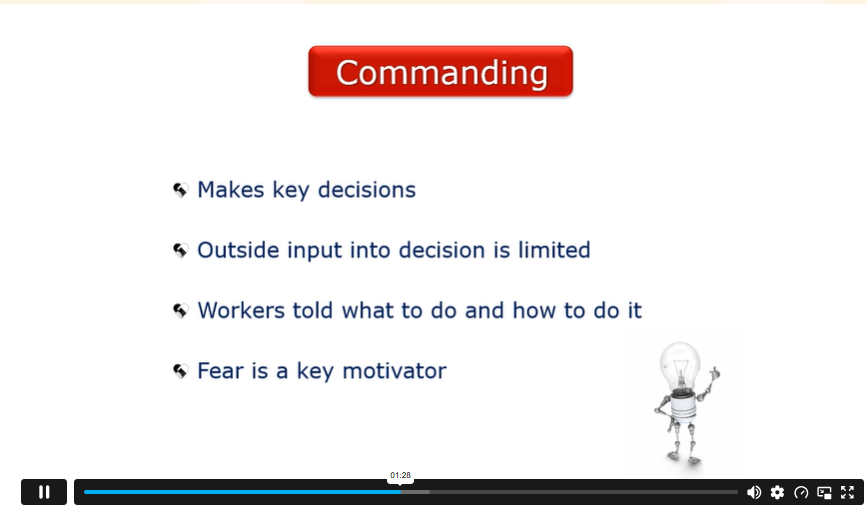
| “Do What I Tell You” – The Commanding Leadership Style | 00:03:00 | ||
| “Do What I Do” – The Pacesetting Leadership Style | 00:03:00 | ||
| “Let’s Decide What To Do Together” – The Democratic Leadership Style | 00:02:00 | ||
| “Let’s Do What’s Best For Everyone” – The Affiliative Leadership Style | 00:03:00 | ||
| “Do What Will Help Us To Reach Our Goals” – The Visionary Leadership Style | 00:02:00 | ||
| “How Can I help You Do It Better?” – The Coaching Leadership Style | 00:02:00 | ||
| The Underpinning Skills and Behaviours of the Leadership Styles | |||
| The Skills and Behaviours of Each Leadership Style | 00:01:00 | ||
| The Underpinning Skills of Each Leadership Style | 00:04:00 | ||
| The Demonstrated Behaviours of Each Leadership Style | 00:04:00 | ||
| Increasing and Toning Down the Use of Each Leadership Style | |||
| Introduction to Increasing and Toning Down the Use of Each Leadership Style | 00:01:00 | ||
| How to Increase the Use of The Commanding Style | 00:02:00 | ||
| How to Increase the Use of The Pacesetting Style | 00:02:00 | ||
| How to Increase the Use of The Democratic Style | 00:01:00 | ||
| How to Increase the Use of The Affiliative Style | 00:02:00 | ||
| How to Increase the Use of The Visionary Style | 00:02:00 | ||
| How to Increase the Use of The Coaching Style | 00:03:00 | ||
| How to Tone Down the Use of The Commanding Style | 00:02:00 | ||
| How to Tone Down the Use of The Pacesetting Style | 00:02:00 | ||
| How to Tone Down the Use of The Democratic Style | 00:01:00 | ||
| How to Tone Down the Use of The Affiliative Style | 00:02:00 | ||
| How to Tone Down the Use of The Visionary Style | 00:01:00 | ||
| How to Tone Down the Use of The Coaching Style | 00:02:00 | ||
| Conclusions About Increasing and Toning Down the Use of Each Leadership Style | 00:01:00 | ||
| Working with Leadership Styles - Course Review and Leadership Case Studies | |||
| Review of the Leadership Styles Course | 00:02:00 | ||
| Resources | |||
| Resources – Certificate in Leadership | 00:00:00 | ||
| Assignment | |||
| Assignment – Certificate in Leadership | 1 week | ||
| Order Your Certificate | |||
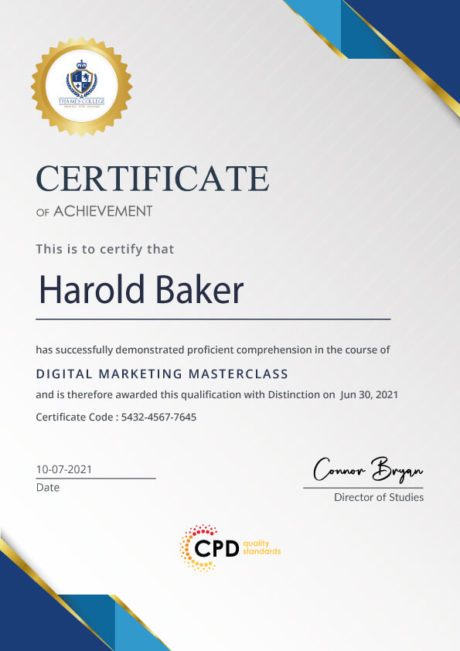
| Order Your Certificate QLS | 00:00:00 | ||
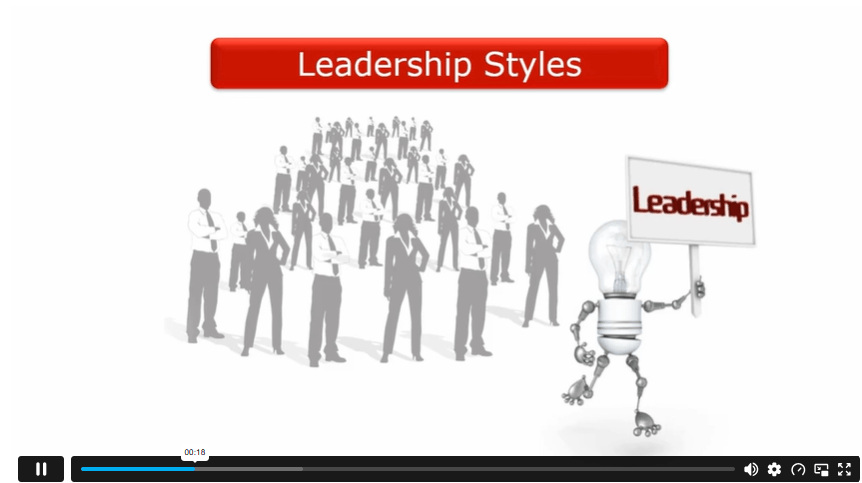
The Certificate in Leadership is an online course examining effective leadership, self-awareness, emotional intelligence and leadership styles. Learners study commanding, pacesetting, democratic, affiliative, visionary and coaching approaches, including how each style influences workplace communication, decisions, team performance and results.
Yes, this leadership course suits beginners, aspiring supervisors, new managers and experienced professionals seeking refreshed knowledge. Lessons introduce leadership principles clearly before comparing different styles, supporting learners without previous management qualifications or formal leadership training through flexible online study options.
Learners examine effective leadership, self-awareness, emotional intelligence, leadership and management differences, and six leadership styles. They also study underpinning skills, demonstrated behaviours and ways to increase or reduce each approach according to workplace situations, team requirements and organisational goals effectively.
The six leadership styles covered are commanding, pacesetting, democratic, affiliative, visionary and coaching. Each approach has different behaviours, strengths and suitable applications, helping leaders consider how their communication and decisions may affect motivation, collaboration, direction and workplace performance outcomes overall.
Leadership focuses on setting direction, influencing people and encouraging progress towards shared goals. Management generally involves planning, organising, coordinating resources and overseeing delivery. Many workplace roles require both abilities, although the balance may change according to responsibilities and circumstances involved.
Exclusive Deal! 95% Off, Today Only!
Offer Ends Soon
 Take All courses for £49

 Access
 Level
Level
 Number of Units
 Duration
- £24.99
- 1 year
- Level 3
- Number of Units36
- Number of Quizzes0
- 1 week Gift this course
 14-Day Money-Back Guarantee
Exclusive Deal! 95% Off, Today Only!
Discounted Total:- 50% discount for orders of 10+ courses
- 60% discount for orders of 50+ courses
- 70% discount for orders of 100+ courses