Overview Cloud computing has transformed the way individuals and organisations store data, access applications and manage IT resources. Instead of …
| Cloud Computing Essentials | |||
| Introduction | 00:04:00 | ||
| The Need for Cloud Computing | 00:13:00 | ||
| What is Cloud Computing – I | 00:05:00 | ||
| What is Cloud Computing- II | 00:06:00 | ||
| Benefits of Cloud Computing | 00:09:00 | ||
| CapEx Vs OpEx | 00:03:00 | ||
| What are Public Clouds | 00:02:00 | ||
| Characteristics of Public Cloud | 00:01:00 | ||
| What are Private Clouds | 00:01:00 | ||
| Characteristics of Private Cloud | 00:02:00 | ||
| What is Hybrid Cloud | 00:01:00 | ||
| Characteristics of Hybrid Cloud | 00:01:00 | ||
| Review and What Next!! | 00:01:00 | ||
| What is Infrastructure as a service | 00:04:00 | ||
| Use cases of IAAS | 00:02:00 | ||
| What is Platform as a Service? | 00:02:00 | ||
| Use cases of PAAS | 00:04:00 | ||
| What is Software as a Service | 00:02:00 | ||
| Key Concepts and Terminology | 00:06:00 | ||
| Economies of Scale | 00:01:00 | ||
| What is Shared Responsibility model | 00:09:00 | ||
| Assignment | |||
| Assignment -Cloud Computing | 1 day, 15 hours | ||
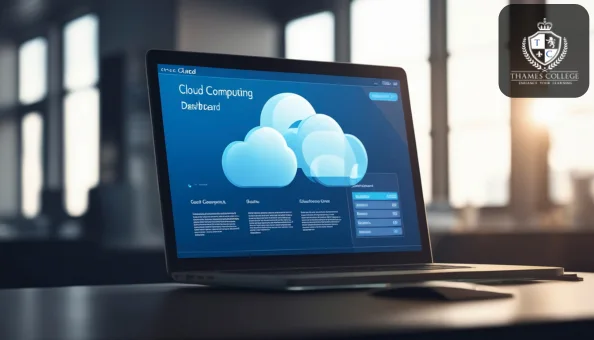
Cloud computing enables businesses to access powerful computing resources without investing heavily in physical infrastructure. It improves flexibility, supports remote working and helps organisations scale their operations while reducing maintenance costs.
The three main cloud deployment models are public, private and hybrid cloud. Each offers different levels of control, security and scalability, allowing organisations to choose the solution that best meets their operational needs.
Most beginners start by understanding the three core service models: Infrastructure as a Service (IaaS), Platform as a Service (PaaS) and Software as a Service (SaaS). This course explains each model clearly and demonstrates where they are commonly used.
No. This course is suitable for beginners and introduces cloud computing concepts in an easy-to-follow format. It gradually builds your understanding without assuming previous technical knowledge.
You will learn how cloud environments operate, understand different deployment and service models, recognise cloud terminology and develop a strong foundation in cloud technology used by organisations worldwide.
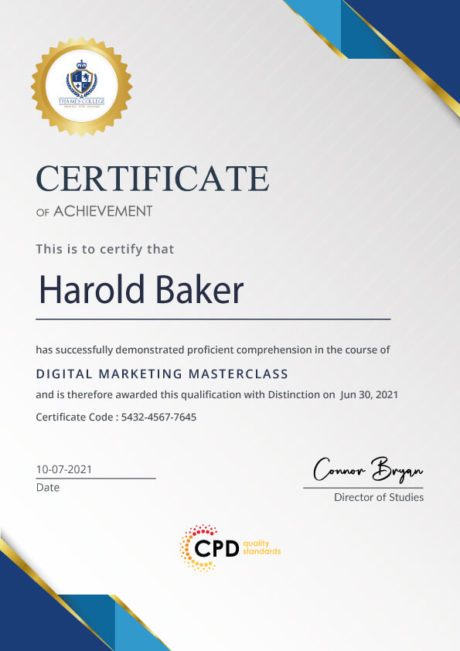
Yes. After completing the course, you can obtain a CPD-accredited Certificate of Achievement recognised globally. It demonstrates your commitment to professional development and can enhance your CV.
Yes. Building knowledge of cloud computing services can help you prepare for entry-level IT and cloud-related roles. It also provides a solid foundation for further learning and professional development in cloud technology.
The shared responsibility model explains how security responsibilities are divided between the cloud service provider and the customer. Understanding this concept is essential for managing cloud services securely.
Cloud computing helps organisations reduce hardware investment and maintenance expenses by providing on-demand access to computing resources. Businesses only pay for the services they use, improving overall cost efficiency.
Thames College offers a comprehensive introduction to cloud technology, covering essential concepts, deployment models and cloud computing services. The course combines practical knowledge with a globally recognised CPD-accredited Certificate of Achievement.