
Criminal Intelligence Analyst

4.8 ( 12 REVIEWS )
287 STUDENTS

Overview

Enhance your career in law enforcement and security with our Criminal Intelligence Analyst course. This course is designed for aspiring intelligence professionals, law enforcement officers, and security analysts seeking the knowledge and skills to work in crime analysis and intelligence-led policing. You will gain practical insight into criminal behaviour, intelligence gathering, and decision-making processes critical for modern policing and security operations.

Key Benefits Included

► Accredited by CPD
► Endorsed by QLS (Quality Licence Scheme)
► Instant Access
► 24/7 Learning Assistance
► Self-paced learning and laptop, tablet, smartphone-friendly
► Fully online, interactive course with audio voiceover
► Developed by qualified professionals in the field

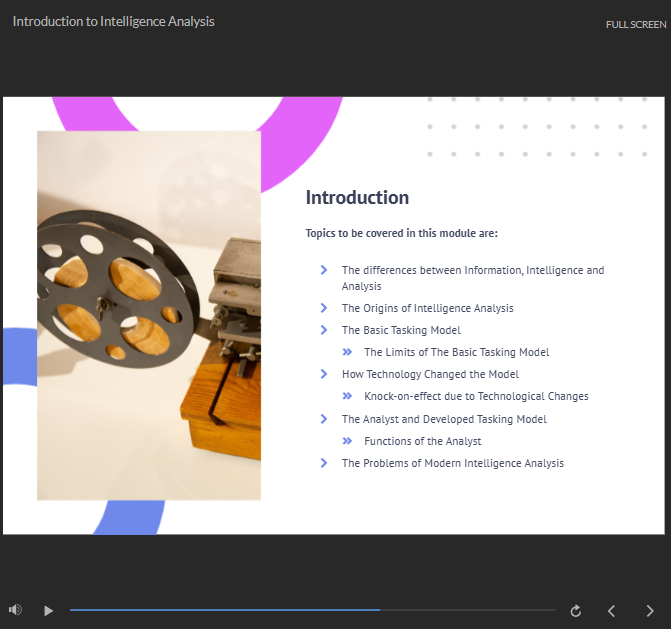
Sneak Peek

Learning Outcomes

Introduction to Intelligence Analysis: Understand the fundamental principles of intelligence analysis and the role of analysts in crime prevention.
Criminal Intelligence Analysis: Explore the methods of collecting, evaluating, and interpreting intelligence data.
Skills and Competencies of a Criminal Intelligence Analyst: Develop critical analytical skills, decision-making abilities, and operational competencies essential for the role.
Understanding Criminal Psychology: Examine psychological factors influencing criminal behaviour to anticipate threats and patterns.
Research Methods in Crime Analysis: Learn techniques for gathering, analysing, and interpreting crime-related data.
Decision Making in Criminal Intelligence Analysis: Develop structured approaches to making informed decisions under pressure.
Intelligence-Led Policing: Understand how intelligence supports proactive policing strategies and operational planning.
Counterterrorism and Criminal Intelligence Analysis: Study methods to detect, assess, and prevent terrorist threats using intelligence analysis.
Technology in Criminal Intelligence Analysis: Gain insight into modern software, databases, and digital tools used in crime and intelligence work.
The Criminal Justice System in England and Wales: Understand the structure, processes, and legal framework of the criminal justice system.

Who is This Course For?

► Aspiring criminal intelligence analysts aiming to work in law enforcement or private security.
► Police officers, detectives, and security personnel looking to advance their analytical skills.
► Professionals interested in counterterrorism, crime prevention, and intelligence-led operations.
► Individuals aiming to understand criminal psychology, research methods, and criminal justice systems.

Why Choose This Course

Comprehensive Coverage: Learn all aspects of criminal intelligence analysis, from research methods to operational applications.
Practical Skills: Gain the ability to assess criminal threats, make informed decisions, and support law enforcement operations.
Technology Integration: Understand modern tools and techniques used in criminal intelligence.
Career-Focused: Knowledge gained can directly enhance your employability in policing, intelligence agencies, and private security.
Assessments Included: Validate your learning through mock exams and practical applications.

Certification

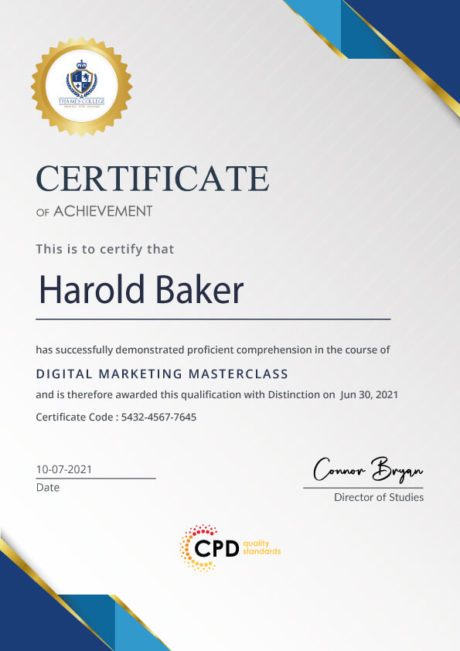
CPD Certification

After successfully completing the assessment of this course, you can apply for the CPD accredited certificates.
PDF certificate: £9.99
Hardcopy certificate: £15.99

Endorsed Certificate of Achievement from the Quality Licence Scheme

Upon successful completion of the course, you can order an original hardcopy certificate of achievement endorsed by the Quality Licence Scheme. The certificate will be home-delivered, with a pricing scheme of —
► 129 GBP within UK
► 139 GBP for International Delivery — Postal Fees Included

Please Note: Thames College is a One Education approved resale partner for Quality Licence Scheme Endorsed courses

Career Opportunities

► Intelligence Support Analyst: £27,000 – £42,000 per year
► Crime Research Assistant: £26,000 – £40,000 per year
► Investigation Support Officer: £28,000 – £43,000 per year
► Intelligence Administration Coordinator: £27,000 – £41,000 per year

Excellent

4.8 Average - 12 Reviews

★ Reviews
Hannah Cooper
The intelligence and behavioural analysis sections gave me a much better understanding of investigative thinking.
Marcus Bennett
I enjoyed the way the course connected psychology, crime analysis, and intelligence concepts together.

Course Curriculum

Criminal Intelligence Analyst - Updated Version
Module 01: Introduction to Intelligence Analysis 00:18:00
Module 02: Criminal Intelligence Analysis 00:21:00
Module 03: Criminal Intelligence Analyst – Skills and Competencies 00:17:00
Module 04: Understanding Criminal Psychology 00:37:00
Module 05: Research Methods in Crime Analysis 00:28:00
Module 06: Decision Making in Criminal Intelligence Analysis 00:18:00
Module 07: Intelligence-Led Policing 00:16:00
Module 08: Counterterrorism and Criminal Intelligence Analysis 00:18:00
Module 09: Technology in Criminal Intelligence Analysis 00:19:00
Module 10: The Criminal Justice System in England and Wales 00:17:00
Mock Exam
Mock Exam – Criminal Intelligence Analyst 00:20:00
Final Exam
Final Exam – Criminal Intelligence Analyst 00:20:00
Assignment
Assignment – Criminal Intelligence Analyst 01:10:00
Order your Certificate
Order your Certificate 00:00:00

Certificate of Achievement

Upon completion, you will receive a CPD-accredited certificate recognised globally. Choose from:

Pdf Certificate & Transcript  £7.99
Hardcopy Certificate & Transcript  £17.99

This certification validates your knowledge and skills, boosting your employability in healthcare.

Course Reviews

  • 5 stars 0
  • 4 stars 0
  • 3 stars 0
  • 2 stars 0
  • 1 stars 0

4.9

4.9
12 ratings
1. What does a criminal intelligence analyst do? +

A criminal intelligence analyst reviews information, identifies patterns, and supports investigations through analytical methods and intelligence processes.

2. Do I need previous law enforcement experience before joining this course? +

No previous experience is required. The course starts with foundational concepts before progressing into intelligence topics.

3. Why is criminal intelligence important? +

Intelligence analysis helps identify trends, improve decision-making, and support investigative activities.

4. Does the course include criminal psychology concepts? +

Yes. The course explores psychological and behavioural concepts related to criminal activity.

5. Will I learn research and analytical methods? +

Yes. Research approaches and intelligence analysis concepts are included throughout the curriculum.

6. Is technology included in criminal intelligence analysis? +

Yes. The course explores the role of technology in intelligence gathering and analysis.

7. Can this course support criminal justice learning? +

Yes. The course may support learners interested in criminal justice and investigative environments.

top