
Criminal Psychology Course Level 3

4.8 ( 7 REVIEWS )
214 STUDENTS

Inside the Criminal Mind

Enter the minds that make the headlines with the Criminal Psychology Level 3 course. With this thrilling Level 3 program, the curtain opens to reveal the motives for killing, deceiving, stealing, and manipulation. From the childhood tendencies of psychopaths to the brain chemistry of serial killers, from the profiling methods of the FBI to the psychology of gangs, cults, and terrorist groups, it’s all here.

In only 15 intensive modules, you’ll learn the mental illnesses that drive criminal acts, victim psychology, forensic interrogation tricks, the art of lie detection, rehabilitation strategies for offenders, and the dirty secrets behind cyber-criminals and domestic abusers.

Just an appetite for knowledge and a stomach for the truth. End-tize it all with an accredited certificate from the CPD program, recognized throughout the policing, probation, forensics, prison, or profiling industries.

“Ready to think like a criminal… so you can stop them? Your Criminal Psychology Level 3 case file awaits.”

Please Note: Thames College is a One Education approved resale partner for Quality Licence Scheme Endorsed courses.

Core Learning Areas

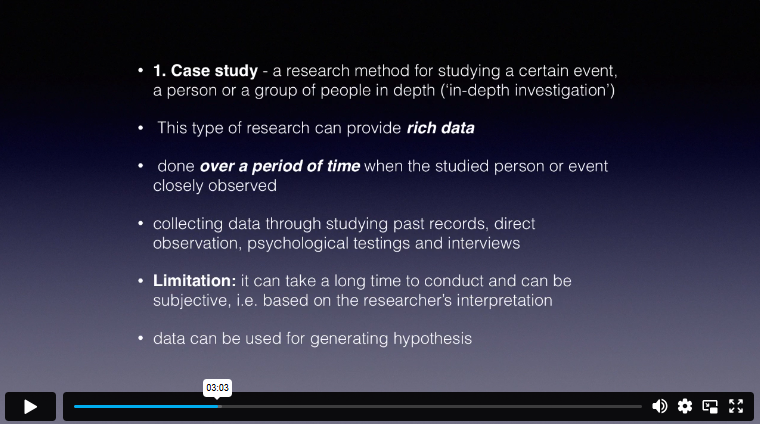
Foundation in Research and Methodology – Begin with an exploration of research methods specific to forensic psychology, learning how to critically evaluate evidence, design studies, and apply scientific principles to forensic questions.

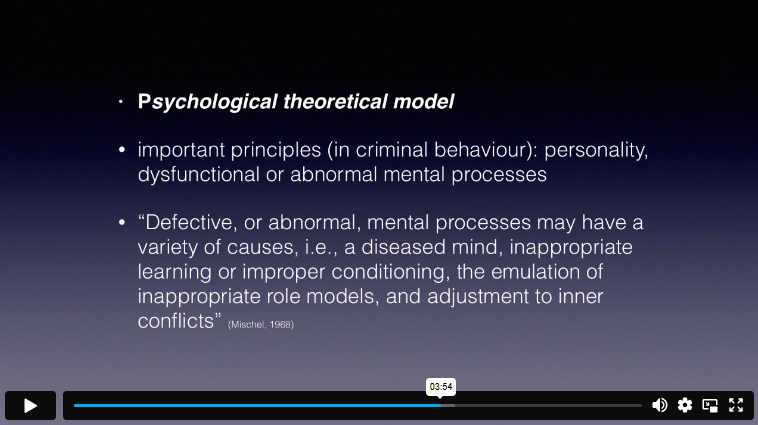
Understanding Crime and Criminal Behaviour – Examine criminological perspectives and psychological theories that explain why individuals engage in criminal conduct, from developmental factors to situational influences.

Offender Psychology – Investigate the personal, cognitive, and behavioral attributes that characterise different types of offenders, including risk factors and protective factors that influence criminal trajectories.

Applied Practice Across the Justice System – Discover how forensic psychologists contribute to police investigations through offender profiling, witness interviewing, and investigative decision-making. Learn about the psychologist’s role in courtroom proceedings, including expert testimony, jury consultation, and competency evaluations.

Professional Practice – Explore the practical realities of working as a forensic psychologist, including assessment techniques, treatment interventions, ethical considerations, and professional responsibilities within correctional and clinical forensic settings.

Real-World Benefits

    1. Identify the biological, psychological, and social risk factors that can turn ordinary children into future violent offenders

    2. Recognise and differentiate psychopathy, sociopathy, narcissism, and borderline traits in real-life suspects and case studies

    3. Understand mental disorders most linked to specific crimes (schizophrenia & violence, antisocial PD & fraud, bipolar & arson, etc.)

    4. Apply FBI and ViCLAS criminal profiling techniques to build accurate offender profiles from crime-scene evidence

    5. Explain the psychology of serial killers, spree killers, mass murderers, terrorists, cult leaders, and school shooters

    6. Decode victimology – why certain people become targets and how trauma affects memory and testimony

    7. Master forensic interviewing methods, lie detection (statement analysis, micro-expressions, CBT-based questioning), and false confessions

    8. Analyse the grooming and control tactics used by domestic abusers, paedophiles, and human traffickers

    9. Evaluate gang recruitment psychology, radicalisation pathways, and cyber-criminal motivation

    10. Assess whether an offender is treatable or likely to re-offend using evidence-based risk tools (HCR-20, PCL-R, VRAG)

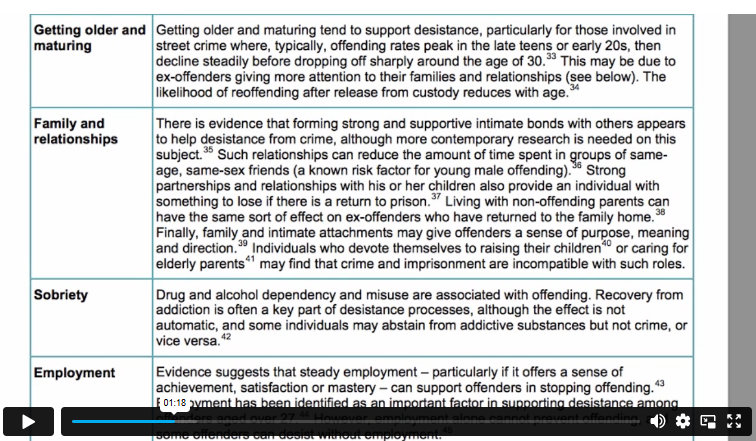
    11. Understand the impact of prison psychology, rehabilitation programmes, and restorative justice on recidivism

Course Description

The Criminal Psychology Level 3 Course is a comprehensive course that will ensure the participants gain a thorough understanding of the psychological principles that lead to criminal behavior. The course will commence with an introduction to criminal psychology and methods of research that are used in forensic science to ensure that the participants can evaluate offender psychology in a scientific manner.

Participants discuss and explore the basic premises of criminology and are introduced to theories of crime, understanding why an individual commits crimes and what mental characteristics are involved in those crimes. Topics also included are forensic psychology and its applications in practical scenarios.

Through the blending of theory and examples, this course ensures learners understand, evaluate, and interpret effectively the behavior of criminals, making it an ideal foundation for Police work, Criminology, and Forensic assistance or continued psychological studies in Criminology.

Career Opportunities: Prepares learners for roles in policing, probation, forensics, prison services, and criminal profiling.

Understanding Criminal Behavior: Provides insight into the motives, psychology, and behavioural patterns of offenders, aiding prevention and intervention.

Practical Skills: Teaches forensic interviewing, profiling techniques, lie detection, and assessment of risk factors.

Enhanced Investigative Abilities: Helps professionals support law enforcement in investigations and crime-solving.

Applied Knowledge: Enables learners to analyze criminal cases, evaluate evidence critically, and understand victim psychology.

Professional Credibility: CPD-accredited certification recognized across criminal justice and forensic psychology sectors.

Personal Development: Develops critical thinking, analytical skills, and an understanding of ethical considerations in forensic settings.

Foundation for Further Study: Serves as a stepping stone for advanced courses in forensic psychology, criminology, or law enforcement studies.

    • True crime enthusiasts who want to turn their interest into expert knowledge

    • Aspiring professionals in policing, probation, prison work, victim support, profiling, or forensics

    • Psychology students seeking applied, real-world insights into criminal behaviour

    • Current law enforcement or security personnel aiming to understand offenders in depth

    • Writers, journalists, or screenwriters looking for authentic criminal psychology knowledge

    • Counsellors or social workers working with at-risk youth, gangs, or domestic abuse cases

    • Individuals fascinated by case studies and motivated to work with high-risk or challenging populations

Ultra-low price: Only £29.99 (discounted from £424)—cheapest entry-level option.

Quick completion: ~3 hours 37 minutes across 27 modules, no prior knowledge needed.

Fully flexible: 1-year unlimited access on any device.

CPD-accredited cert: Low-cost PDF/hardcopy to boost your CV.

Solid intro content: Covers profiling, crime theories, mental disorders, victimology, and real applications.

Beginner-friendly: Mock exams, instant feedback, excellent support.

Great value extras: Bundles for thousands more courses.

Forensic Psychologist – £35,000–£57,000/year

Crime / Criminal Behaviour Analyst – £30,000–£45,000/year

Probation Officer – £28,000–£45,000/year

Criminologist / Researcher – £25,000–£50,000/year

Victim Support / Advocacy Worker – £20,000–£35,000/year

Police Detective / Law Enforcement Roles – £30,000–£50,000/year

Course Curriculum

Introduction
Interventions to reduce risk of re-offending 00:07:00
History of development of Forensic Psychology 00:06:00
Research Methods in Forensic Psychology
Research Design and Methodology 00:12:00
Critical evaluation of psychological research 00:09:00
Criminology
What is Criminology? 00:10:00
Understanding Crime 00:10:00
Classification and Measurement of Crimes 00:10:00
Characteristics of Offenders (Criminals) 00:05:00
Theories of Offending
Introduction to theories of offending 00:06:00
Theories of sexual offending 00:08:00
Theories of violent offending 00:08:00
Theories of fire-setting behaviour 00:08:00
Personal Attributes of Offenders
Personal characteristics of offenders 00:06:00
Personality disordered offenders 00:06:00
Psychopathic offenders 00:07:00
Mental Illness and offending 00:07:00
Forensic Psychology in Police Investigations
An Introduction to Offender Profiling 00:05:00
Approaches to Offender Profiling 00:05:00
The Effectiveness of Offender Profiling 00:06:00
Forensic Psychology in the Courtroom
Eye-witness testimony 00:09:00
Expert witness testimony 00:04:00
Attitudes towards victims 00:06:00
Forensic Psychology in Practice
’What works’ literature in reducing re-offending 00:06:00
Incident management (Crisis Negotiation) 00:08:00
Introduction: About the Course and the Tutor 00:03:00
Mock Exam
Mock Exam – Criminal Psychology Course Level 3 00:20:00
Final Exam
Final Exam – Criminal Psychology Course Level 3 00:20:00

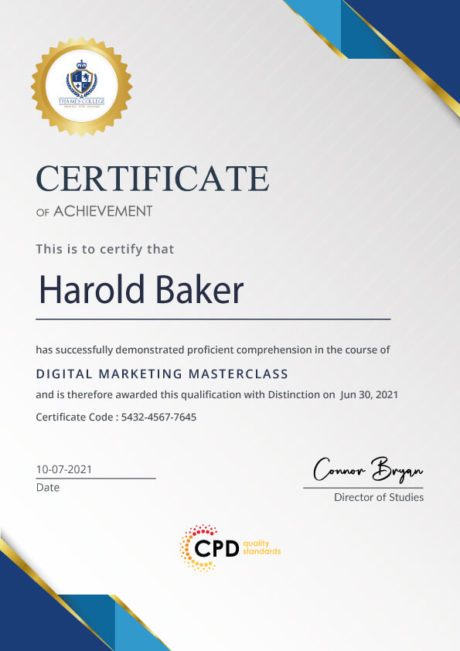
Certificate of Achievement

Upon completion, you will receive a CPD-accredited certificate recognised globally. Choose from:

Pdf Certificate & Transcript  £7.99
Hardcopy Certificate & Transcript  £17.99

This certification validates your knowledge and skills, boosting your employability in healthcare.

Course Reviews

  • 5 stars 0
  • 4 stars 0
  • 3 stars 0
  • 2 stars 0
  • 1 stars 0

4.8

4.8
7 ratings

No Reviews found for this course.

Thames-college-logo-white-2021

We are a business that specialises in providing CPD & QLS accredited courses for anyone looking to advance their professional career.

Address : 78 Ilford Lane, Ilford, England, IG1 2LA

Email : info@thamescollege.org

Phone Number : ​020 8124 5465

Payment Methods

lead-payment-logos

Copyright © 2026 Thames College. All Right Reserved.

top