

trustpilot

Laboratory Technician Diploma

Laboratory Technician Diploma: Complete Guide to Medical Laboratory Career What is a Laboratory Technician? Your Essential Guide to Medical Laboratory …

4.8 4.8 Rating ( 5 Reviews )
545 Students
Bestseller
Great Service
Highly Rated
i Last Updated: 2nd February 2026
◎ English
Flexible Schedule

Unlock 3,000+ Courses & Unlimited Free Digital Certificates for £99 Only! Grab Now

Laboratory Technician Diploma: Complete Guide to Medical Laboratory Career

What is a Laboratory Technician? Your Essential Guide to Medical Laboratory Careers

A laboratory technician is a vital healthcare professional who performs diagnostic tests, operates medical equipment, and analyzes samples in clinical and medical laboratories. From conducting blood tests and microbiological analyses to ensuring quality control and laboratory safety, laboratory technicians play a crucial role in patient diagnosis and treatment. Whether you’re starting a healthcare career or transitioning from a science background, comprehensive training as a laboratory technician opens doors to rewarding opportunities in hospitals, research facilities, and diagnostic centers.

Please Note: Thames College is a One Education approved resale partner for Quality Licence Scheme Endorsed courses.

Laboratory Technician Diploma Overview: CPD & QLS Accredited Training

The Laboratory Technician Diploma is a comprehensive CPD accredited and QLS certified professional qualification designed for aspiring laboratory technicians, healthcare professionals, and science graduates who want to master medical laboratory practices. This hands-on diploma covers everything from laboratory safety and equipment handling to haematology, microbiology, clinical chemistry, and quality assurance.

Key Features of This Laboratory Technician Diploma:

  • Complete medical laboratory training covering all essential disciplines
  • CPD & QLS accredited certification (accepted by healthcare employers nationwide)
  • Online laboratory technician diploma with flexible, self-paced learning
  • Expert laboratory instructors with extensive clinical experience
  • Practical assignments and real-world laboratory procedures
  • Lifetime access to course materials and technical resources
  • Professional certificate demonstrating your laboratory expertise

This online laboratory technician diploma is perfect for:

  • Aspiring laboratory technicians starting healthcare careers
  • Science graduates seeking practical laboratory qualifications
  • Healthcare professionals expanding into laboratory services
  • Medical laboratory assistants advancing their careers
  • Biology and chemistry students gaining clinical experience
  • Career changers entering the medical field
  • Clinical support workers specializing in laboratory work
  • Research assistants broadening their technical skills

1. Professional Healthcare Certification

This CPD certified laboratory diploma and QLS Level 3 accreditation provides a professional certificate accepted by NHS trusts, private hospitals, diagnostic laboratories, and research facilities across the UK.

2. Flexible Online Learning Platform

Study this self-paced laboratory diploma anywhere, anytime with 24/7 access to video demonstrations, downloadable protocols, case studies, and practical exercises that fit your schedule.

3. Expert Clinical Laboratory Instructors

Learn from experienced biomedical scientists and laboratory managers with years of experience in NHS laboratories, private diagnostics, and clinical research environments.

4. Hands-On Practical Training

Unlike theory-only programs, this diploma includes practical procedure demonstrations, laboratory calculations, sample analysis techniques, and quality control exercises that mirror actual laboratory work.

5. Comprehensive Technical Resources

Access ongoing support through instructor guidance, standard operating procedures, laboratory protocols, equipment manuals, and the latest updates in laboratory diagnostics and safety regulations.

Core Laboratory Techniques:

  • Specimen collection and handling – Proper blood draw, urine collection, and sample processing
  • Microscopy – Operation of light microscopes, cell identification, and slide preparation
  • Pipetting techniques – Accurate liquid handling and serial dilutions
  • Centrifugation – Sample separation and processing procedures
  • Aseptic technique – Sterile handling for microbiology and cell culture
  • Laboratory calculations – Dilutions, concentrations, and result interpretations

Diagnostic Testing Skills:

  • Haematology analysis – Complete blood counts and coagulation studies
  • Clinical chemistry – Biochemical testing and metabolic panels
  • Microbiology culture – Bacterial identification and antibiotic testing
  • Immunology assays – Antibody detection and immune function tests
  • Urinalysis procedures – Complete urine examination and interpretation
  • Blood banking – Blood typing, cross-matching, and compatibility testing

Safety and Quality Management:

  • Laboratory safety protocols – Personal protective equipment and hazard management
  • Quality control procedures – Calibration, validation, and proficiency testing
  • Standard operating procedures – Following and documenting laboratory protocols
  • Waste disposal – Proper handling of biological and chemical waste
  • Infection control – Preventing laboratory-acquired infections
  • Equipment maintenance – Routine calibration and troubleshooting

UK Laboratory Technician Salary Expectations (2025)

Laboratory Technician

  • Average salary: £20,000 – £30,000 per year
  • Perform diagnostic tests, operate equipment, and process samples in clinical laboratories

Medical Laboratory Assistant

  • Average income: £18,000 – £25,000 per year
  • Support laboratory operations, prepare samples, and maintain equipment

Clinical Laboratory Technologist

  • Average salary: £28,000 – £35,000 per year
  • Advanced testing, complex analysis, and specialized diagnostic procedures

Microbiologist

  • Average salary: £30,000 – £45,000 per year
  • Identify infectious organisms, conduct sensitivity testing, and research microbial diseases

Haematology Technician

  • Average salary: £25,000 – £40,000 per year
  • Specialize in blood disorders, coagulation testing, and blood banking procedures

Laboratory Manager

  • Average salary: £35,000 – £50,000 per year
  • Oversee laboratory operations, staff management, and quality assurance programs

Freelance Laboratory Consultant

  • Income potential: £25,000 – £55,000+ per year
  • Provide specialized expertise, quality audits, and laboratory setup services

Career Progression Opportunities:

  • Senior Biomedical Scientist (£35,000 – £45,000) – Advanced diagnostic expertise
  • Chief Biomedical Scientist (£40,000 – £55,000) – Department leadership
  • Laboratory Quality Manager (£38,000 – £50,000) – Quality system oversight
  • Clinical Scientist (£45,000 – £65,000) – Specialized clinical interpretation
  • Pathology Services Manager (£50,000 – £70,000) – Multi-laboratory management
  • Clinical Research Associate (£30,000 – £45,000) – Pharmaceutical research trials

Top Employers for Laboratory Technicians:

  • NHS hospital laboratories and pathology departments
  • Private diagnostic laboratories (TDL, Synlab, Lancet)
  • Blood transfusion services (NHS Blood and Transplant)
  • Public Health England laboratories
  • University research laboratories and medical schools
  • Pharmaceutical companies and clinical trials organizations
  • Veterinary diagnostic laboratories
  • Forensic science services

Haematology Procedures:

Complete blood count – Red cells, white cells, and platelet analysis Blood film examination – Microscopic cell morphology assessment ESR testing – Erythrocyte sedimentation rate measurement Coagulation studies – PT, APTT, and INR testing Blood grouping – ABO and Rh typing procedures Cross-matching – Compatibility testing for transfusions

Clinical Chemistry Tests:

Glucose testing – Blood sugar monitoring and diabetes diagnosis Liver function tests – ALT, AST, bilirubin, and albumin Renal function tests – Creatinine, urea, and electrolytes Lipid profiles – Cholesterol and triglyceride analysis Thyroid function – TSH and thyroid hormone measurement Cardiac markers – Troponin and CK-MB for heart attack diagnosis

Microbiology Procedures:

Bacterial culture – Growing and isolating microorganisms Gram staining – Bacterial classification technique Antibiotic sensitivity testing – Determining effective treatments Blood culture – Detecting bloodstream infections Stool culture – Identifying gastrointestinal pathogens Urine culture – Diagnosing urinary tract infections

Quality Control Procedures:

Calibration verification – Ensuring equipment accuracy Internal quality control – Daily control sample testing External quality assessment – Proficiency testing participation Method validation – Verifying new test procedures Instrument maintenance – Preventive maintenance schedules Documentation – Accurate record keeping and audit trails

Laboratory Safety and Compliance Standards

Essential Safety Protocols:

  • Personal protective equipment – Lab coats, gloves, safety glasses, and face shields
  • Biosafety levels – Understanding BSL-1 through BSL-4 requirements
  • Chemical safety – COSHH regulations and hazardous substance handling
  • Sharps safety – Needle stick prevention and disposal procedures
  • Fire safety – Emergency procedures and evacuation protocols
  • First aid – Response to laboratory accidents and exposures

Regulatory Compliance:

  • UKAS accreditation – ISO 15189 medical laboratory standards
  • CPA accreditation – Clinical Pathology Accreditation requirements
  • MHRA regulations – Medical device and reagent compliance
  • Data protection – GDPR compliance for patient information
  • Health and Safety – COSHH, RIDDOR, and workplace regulations
  • Quality standards – Good Laboratory Practice (GLP) principles

Infection Control Measures:

  • Hand hygiene – Proper handwashing and sanitization techniques
  • Biological waste disposal – Clinical waste segregation and autoclaving
  • Spillage management – Decontamination procedures for biological spills
  • Sharps disposal – Safe handling and disposal of needles and scalpels
  • Decontamination – Chemical and physical disinfection methods
  • Personal health – Immunization requirements and health monitoring

Laboratory Technician Diploma FAQs

Do I need a science background to enroll?

While a basic understanding of biology or chemistry is helpful, this beginner-friendly diploma starts with fundamentals and builds progressively to advanced laboratory techniques suitable for various backgrounds.

What qualifications do I need to work in NHS laboratories?

NHS laboratories typically require HCPC registration for senior roles. This diploma provides foundational knowledge that can lead to trainee positions, with further qualifications needed for biomedical scientist roles.

How long does the diploma take to complete?

This self-paced diploma typically takes 10-14 weeks to complete, though you can progress faster or take up to 12 months depending on your study schedule and prior experience.

Will I gain practical laboratory experience?

The diploma includes practical demonstrations and procedures. For hands-on experience, consider volunteering at laboratories or seeking trainee positions to complement your theoretical knowledge.

Can I work in private laboratories with this diploma?

Yes! Private diagnostic laboratories, veterinary labs, and research facilities hire laboratory technicians. This diploma provides the knowledge foundation required for entry-level positions.

Is laboratory work only in hospitals?

No! Laboratory technicians work in various settings including NHS hospitals, private clinics, university research labs, pharmaceutical companies, public health laboratories, and forensic facilities.

What career progression is available?

With experience and further qualifications, laboratory technicians can progress to senior technician roles, specialized positions (e.g., haematology, microbiology), laboratory management, or biomedical scientist registration.

Do I need any special equipment for this diploma?

No laboratory equipment is required for the online diploma. You’ll learn through demonstrations, case studies, and virtual simulations. Practical skills develop through subsequent workplace experience.

Are there continuing education requirements?

Healthcare laboratory professionals engage in continuous professional development (CPD) to maintain skills and stay updated with new technologies, regulations, and diagnostic methods.

Can international students take this diploma?

Yes! The online diploma is accessible worldwide. However, employment requirements vary by country, so check local regulations and professional registration requirements for laboratory technicians.

Medical Laboratory Specializations You Can Pursue

Haematology Specialization:

Blood disorders – Anemia, leukemia, and clotting disorder diagnosis Blood transfusion – Cross-matching and compatibility testing expertise Coagulation – Advanced clotting factor analysis Flow cytometry – Cell sorting and immunophenotyping

Clinical Microbiology:

Bacteriology – Bacterial identification and antibiotic resistance Virology – Viral detection and serology testing Mycology – Fungal culture and identification Parasitology – Parasitic organism detection and diagnosis

Clinical Chemistry:

Therapeutic drug monitoring – Measuring medication levels Toxicology – Drug screening and poison detection Endocrinology – Hormone analysis and metabolic testing Immunology – Allergy testing and autoimmune diagnostics

Histopathology:

Tissue processing – Embedding, sectioning, and mounting Staining techniques – H&E, special stains, and immunohistochemistry Cytology – Cervical screening and fine needle aspirate analysis Electron microscopy – Ultrastructural examination


Course Curriculum

Laboratory Technician Diploma - Updated Version
Module 01: Introduction to the Course 00:14:00
Module 02: Medical Laboratory Services 00:23:00
Module 03: Laboratory Equipments (Part-01) 00:28:00
Module 04: Laboratory Equipments (Part-02) 00:17:00
Module 05: Microscope and How to Use it 00:19:00
Module 06: Solutions Used in Clinical/Medical Laboratory 00:19:00
Module 07: Sterilisation, Disinfection and Decontamination 00:20:00
Module 08: Basic Haematology 00:50:00
Module 09: Basic Haemostasis (Coagulation) 00:30:00
Module 10: Basic Immunology and Immunohematology 00:40:00
Module 11: Urinalysis 00:37:00
Module 12: Basic Clinical Chemistry 00:41:00
Module 13: Basic Clinical Microbiology 00:28:00
Module 14: Basic Parasitology 00:31:00
Module 15: Laboratory Accidents and Safety 00:20:00
Module 16: Quality Assurance 00:22:00
Mock Exam
Mock Exam – Laboratory Technician Diploma 00:20:00
Final Exam
Final Exam – Laboratory Technician Diploma 00:20:00
Laboratory Technician Diploma - Old Version
Laboratory Technician
Module 01: Introduction to Laboratory Technician
Module 01: Introduction to Laboratory Technician 00:10:00
Module 02: Role, Rules and Policies of Medical Laboratory Services
Module 02: Role, Rules and Policies of Medical Laboratory Services 00:05:00
Module 03: Laboratory Equipments
Module 03: Laboratory Equipments 00:15:00
Module 04: How to Work with Microscope
Module 04: How to Work with Microscope 00:10:00
Module 05: Solutions Used in Medical Laboratory
Module 05: Solutions Used in Medical Laboratory 00:05:00
Module 06: Sterilisation and Disinfection
Module 06: Sterilisation and Disinfection 00:15:00
Module 07: How to Decontaminate Reusable Medical Devices
Module 07: How to Decontaminate Reusable Medical Devices 00:20:00
Module 08: Laboratory Accidents and Safety
Module 08: Laboratory Accidents and Safety 00:15:00
Module 09: Quality Assurance
Module 09: Quality Assurance 00:05:00
Module 10: Standard Operating Procedures
Module 10: Standard Operating Procedures 00:10:00
Module 11: Glossary
Module 11: Glossary 00:05:00
Order your Certificate
Order your Certificate 00:00:00
Refer a Friend
Refer a Friend and Claim One Course for FREE 00:00:00

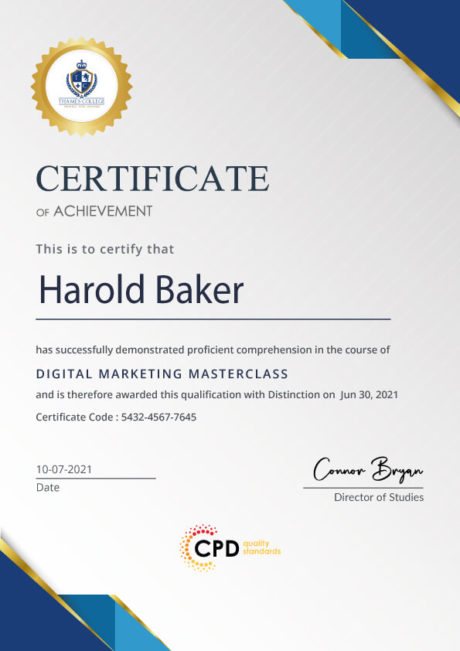
Certificate of Achievement

Upon completion, you will receive a CPD-accredited certificate recognised globally. Choose from:

Pdf Certificate & Transcript  £7.99
Hardcopy Certificate & Transcript  £17.99

This certification validates your knowledge and skills, boosting your employability in healthcare.

top