


Phlebotomy Technician Training Course
Online phlebotomy technician training covering blood collection, lab safety and clinical skills with CPD certification.
 7234 Students

CPD Accredited
All of our courses meet recognised CPD Quality Standards, supporting high-quality learning and ongoing professional development.
QLS Endorsed
The Quality Licence Scheme (QLS) is a recognised accreditation framework that endorses high-quality, non-regulated training courses across a wide range of industries.
Association of Healthcare Trainers
The Association of Healthcare Trainers (AoHT) supports excellence in healthcare education by helping training providers deliver up-to-date, industry-focused learning and maintain strong professional standards..

UKRLP Registered
UKRLP registration demonstrates commitment to recognised training and education standards, helping organisations build trust, improve credibility, and showcase their presence within the UK learning and skills sector.
Course Curriculum
| Phlebotomist Training | |||
| Module 1: Venepuncture: A Method of Phlebotomy | |||
| Venepuncture A Method of Phlebotomy | 00:10:00 | ||
| Module 2: Anatomy and Physiology | |||
| Anatomy and Physiology | 00:09:00 | ||
| Module 3: Before Venepuncture | |||
| Before Venepuncture | 00:21:00 | ||
| Module 4: During Venepuncture | |||
| During Venepuncture | 00:09:00 | ||
| Module 5: After Venepuncture | |||
| After Venepuncture | 00:09:00 | ||
| Module 6: Venepuncture for Blood Donation | |||
| Venepuncture for Blood Donation | 00:16:00 | ||
| Module 7: Glossary | |||
| Glossary | 00:18:00 | ||
| Module 8: Appendix | |||
| Appendix | 00:11:00 | ||
| Mock Exam | |||
| Mock Exam – Phlebotomy Technician Training | 00:20:00 | ||
| Final Exam | |||
| Final Exam – Phlebotomy Technician Training | 00:20:00 | ||
| Leave a review on Trustpilot | |||
| Leave a review on Trustpilot | 00:00:00 | ||
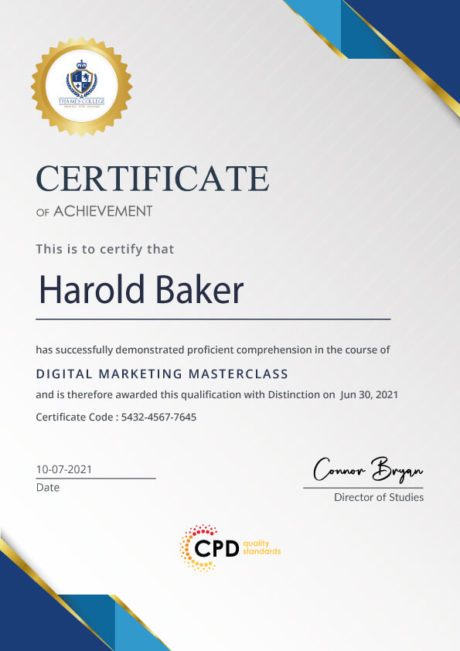
Phlebotomy Technician Training is an online healthcare course covering venepuncture theory, anatomy and physiology, preparation before blood collection, actions during venepuncture, aftercare, blood donation, terminology and safety awareness for learners interested in phlebotomy and clinical support roles.
Yes, this phlebotomy course can suit beginners who want to study the theory of blood collection from a clear starting point. It is useful for aspiring phlebotomists, healthcare assistants, care workers, laboratory learners and career changers.
No. Online training can build theory knowledge, but clinical venepuncture normally requires supervised practice and workplace competency sign-off. Learners should seek hands-on training and assessment before performing blood collection in real healthcare settings.
A phlebotomist collects blood samples from patients for testing and analysis. Typical duties may include preparing patients, explaining the procedure, taking blood safely, labelling samples, applying dressings and keeping accurate records.
This course can support learning routes linked to phlebotomy technician, trainee phlebotomist, healthcare assistant, clinical laboratory assistant, medical laboratory assistant, blood donation support worker and laboratory technician roles, depending on employer requirements and supervised competency needs.
Exclusive Deal! 92% Off, Today Only!
Offer Ends Soon
 Take All courses for £49

 Access
 Level
Level
 Number of Units
 Duration
 Course Type
- Original price was: £424.00.£29.99Current price is: £29.99.
- 1 year
- Intermediate
- Number of Units9
- Number of Quizzes2
- 2 hours, 23 minutes Gift this course
 14-Day Money-Back Guarantee
Exclusive Deal! 95% Off, Today Only!
Discounted Total:- 50% discount for orders of 10+ courses
- 60% discount for orders of 50+ courses
- 70% discount for orders of 100+ courses