


Professional Bookkeeper Training & MS Excel Mastery
Overview UK finance recruitment remains active: Hays says it registers over 1,500 new finance roles monthly, showing demand for accounts …
 233 Students

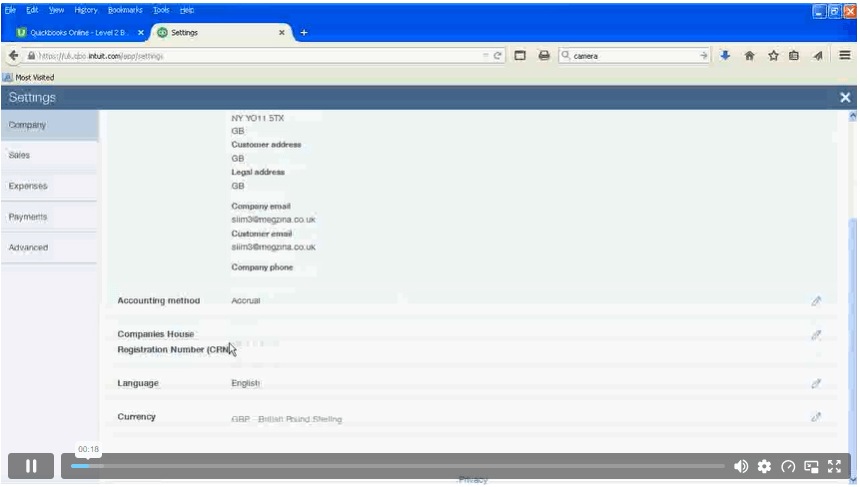
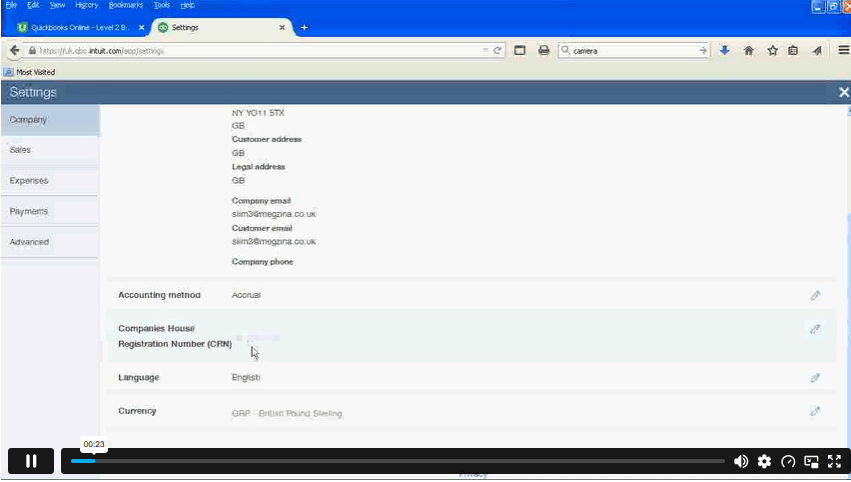

Course Curriculum
| **Quickbook** | |||
| Getting prepared - access the software and course materials | |||
| The structure of the course – first things first! | 00:05:00 | ||
| Set up free trial | 00:03:00 | ||
| Getting started | |||
| Starting A New Company File | 00:11:00 | ||
| Setting up the system | |||
| set up nominal accounts | 00:11:00 | ||
| Enter opening balances | 00:02:00 | ||
| Reverse opening balances – accruals and prepayments | 00:06:00 | ||
| Report Journal | 00:05:00 | ||
| Nominal ledger | |||
| Amend The Nominal Ledger | 00:07:00 | ||
| Report listing the nominal ledgers | 00:02:00 | ||
| Customers | |||
| Enter customers | 00:09:00 | ||
| Report on customer contact information | 00:01:00 | ||
| Suppliers | |||
| Enter Suppliers | 00:05:00 | ||
| Supplier Contact List | 00:02:00 | ||
| Sales ledger | |||
| Enter Invoices | 00:09:00 | ||
| Invoice Entering | 00:03:00 | ||
| Invoice batch | 00:06:00 | ||
| Post Sales Credit Notes | 00:08:00 | ||
| Report showing Customer Activity | 00:03:00 | ||
| Aged Debtors | 00:02:00 | ||
| Purchases ledger | |||
| Post Supplier Invoices | 00:03:00 | ||
| Entering a Batch of Supplier Bills | 00:09:00 | ||
| Credit Notes Suppliers | 00:05:00 | ||
| Reclassify Supplier Bills – Flash Bulbs Purchased | 00:04:00 | ||
| Supplier Account Activity Report | 00:04:00 | ||
| Sundry payments | |||
| Post Cheques | 00:07:00 | ||
| Report showing supplier payments | 00:01:00 | ||
| Sundry receipts | |||
| Receipts from customers | 00:07:00 | ||
| Report showing customer receipts | 00:02:00 | ||
| Petty cash | |||
| Post Petty Cash Transactions and Report | 00:04:00 | ||
| Post cash payments to ledgers | 00:02:00 | ||
| Enter petty cash items | 00:14:00 | ||
| Report on Petty Cash Payments Proper | 00:05:00 | ||
| Post Sundry Payments | 00:05:00 | ||
| Report Bank Payments | 00:03:00 | ||
| VAT - Value Added Tax | |||
| VAT Return | 00:03:00 | ||
| Bank reconciliation | |||
| Reconcile The Bank | 00:10:00 | ||
| Provide A Report Showing Any Unreconnciled Transaction | 00:02:00 | ||
| Payroll / Wages | |||
| Post the Wages Journal | 00:08:00 | ||
| Posting Journal Adjustments | 00:02:00 | ||
| Reports | |||
| Month end adjustments | 00:03:00 | ||
| Month end reports | 00:06:00 | ||
| Tasks | |||
| Task- Crearing the accounts | 00:06:00 | ||
| Task – Customer report | 00:01:00 | ||
| Additional Resources | |||
| Course Paper | 00:00:00 | ||
| Further Reading – QuickBooks Online 2014 The Handbook | 00:00:00 | ||
| **Xero Accounting** | |||
| Getting Prepared - Access the software and course materials | |||
| Introduction To The Course And Your Tutor | 00:04:00 | ||
| Activating Your Free Trial With Xero | 00:02:00 | ||
| Getting started | |||
| Signing Up For The Free Trial | 00:04:00 | ||
| Create The Organisation | 00:08:00 | ||
| The Ficticious Scenario | 00:02:00 | ||
| Setting up the system | |||
| Add Bank Accounts To The System | 00:14:00 | ||
| Enter Opening Balances | 00:07:00 | ||
| Opening Trial Balance | 00:01:00 | ||
| Nominal ledger | |||
| Amend The Nominal Ledger | 00:06:00 | ||
| Chart Of Accounts Report | 00:01:00 | ||
| Customers & Suppliers | |||
| Enter customers | 00:07:00 | ||
| Reporting Customer And Supplier Information | 00:02:00 | ||
| Sales ledger | |||
| Enter Invoices | 00:07:00 | ||
| Invoicing tips – adding logo, repeat billing | 00:09:00 | ||
| Entering Invoices 6574 to 6610 | 00:16:00 | ||
| Post Credit Notes | 00:03:00 | ||
| Report Showing Customer Activity | 00:08:00 | ||
| Aged Debtors | 00:02:00 | ||
| Suppliers | |||
| Post supplier invoices | 00:09:00 | ||
| Enter suppliers invoices 6028 onwards | 00:14:00 | ||
| Enter More Supplier Invoices No 4308 Onwards | 00:06:00 | ||
| Credit Notes Suppliers | 00:02:00 | ||
| Supplier Activity Report | 00:04:00 | ||
| Aged Creditors Info | 00:01:00 | ||
| Reciepts from Customers | 00:10:00 | ||
| Apply Customer Credit Notes | 00:05:00 | ||
| Purchases ledger | |||
| Post Supplier Cheques | 00:08:00 | ||
| Apply Supplier Credit Notes | 00:03:00 | ||
| Print List Of Bank Receipts And Payments | 00:01:00 | ||
| Sundry payments | |||
| Post Sundry Payments | 00:07:00 | ||
| Make a credit card payment | 00:08:00 | ||
| Sundry payments | |||
| Post Sundry Payments | 00:07:00 | ||
| Make a credit card payment | 00:08:00 | ||
| Petty Cash | |||
| Add Petty Cash Transactions – Week 1 | 00:16:00 | ||
| Add Petty Cash Transactions – Week 2 | 00:12:00 | ||
| Add Petty Cash Transactions – Week 3 | 00:07:00 | ||
| Add Petty Cash Transactions – Week 4 | 00:09:00 | ||
| Imprest System on Petty Cash | 00:04:00 | ||
| Print a Copy of Petty Cash Receipts and Payments | 00:01:00 | ||
| Bad Debt | |||
| Writing Off A Bad Debt – Print Customer Statement | 00:02:00 | ||
| Write Off A Bad Debt | 00:09:00 | ||
| Credit Card | |||
| Reconcile The Credit Card Statement | 00:09:00 | ||
| Bank Reconciliation | |||
| Bank Statement As A CSV File | 00:27:00 | ||
| Bank Statement Closing Balances | 00:11:00 | ||
| Reconcile The Petty Cash | 00:05:00 | ||
| Payroll / Wages | |||
| Wages And Salaries | 00:09:00 | ||
| Post the Wages Journal | 00:07:00 | ||
| Report Wages Journal | 00:02:00 | ||
| Payday | 00:11:00 | ||
| Pay The Two Staff | 00:05:00 | ||
| VAT - Value Added Tax | |||
| Depreciation | 00:04:00 | ||
| VAT Return | 00:03:00 | ||
| Reports | |||
| Month End Reports PnL, BS, TB | 00:05:00 | ||
| Payroll unit | |||
| Using Payroll | 00:12:00 | ||
| Setting Up Employees | 00:10:00 | ||
| Running Payroll – An Example | 00:14:00 | ||
| Conclude | |||
| Recap And Next Steps | 00:06:00 | ||
| What happens next | 00:02:00 | ||
| **Microsoft Excel 2016** | |||
| Getting Started with Microsoft Office Excel 2016 | |||
| Navigate the Excel User Interface | 00:28:00 | ||
| Use Excel Commands | 00:10:00 | ||
| Create and Save a Basic Workbook | 00:19:00 | ||
| Enter Cell Data | 00:12:00 | ||
| Use Excel Help | 00:05:00 | ||
| Performing Calculations | |||
| Create Worksheet Formulas | 00:15:00 | ||
| Insert Functions | 00:17:00 | ||
| Reuse Formulas and Functions | 00:17:00 | ||
| Modifying a Worksheet | |||
| Insert, Delete, and Adjust Cells, Columns, and Rows | 00:10:00 | ||
| Search for and Replace Data | 00:09:00 | ||
| Use Proofing and Research Tools | 00:07:00 | ||
| Formatting a Worksheet | |||
| Apply Text Formats | 00:16:00 | ||
| Apply Number Format | 00:07:00 | ||
| Align Cell Contents | 00:09:00 | ||
| Apply Styles and Themes | 00:12:00 | ||
| Apply Basic Conditional Formatting | 00:11:00 | ||
| Create and Use Templates | 00:08:00 | ||
| Printing Workbooks | |||
| Preview and Print a Workbook | 00:10:00 | ||
| Set Up the Page Layout | 00:09:00 | ||
| Configure Headers and Footers | 00:07:00 | ||
| Managing Workbooks | |||
| Manage Worksheets | 00:05:00 | ||
| Manage Workbook and Worksheet Views | 00:07:00 | ||
| Manage Workbook Properties | 00:06:00 | ||
| Working with Functions | |||
| Work with Ranges | 00:18:00 | ||
| Use Specialized Functions | 00:11:00 | ||
| Work with Logical Functions | 00:23:00 | ||
| Work with Date & Time Functions | 00:08:00 | ||
| Work with Text Functions | 00:11:00 | ||
| Working with Lists | |||
| Sort Data | 00:10:00 | ||
| Filter Data | 00:10:00 | ||
| Query Data with Database Functions | 00:09:00 | ||
| Outline and Subtotal Data | 00:09:00 | ||
| Analyzing Data | |||
| Welcome to the Course | FREE | 00:03:00 | |
| Apply Intermediate Conditional Formatting | 00:07:00 | ||
| Apply Advanced Conditional Formatting | 00:05:00 | ||
| Visualizing Data with Charts | |||
| Create Charts | 00:13:00 | ||
| Modify and Format Charts | 00:12:00 | ||
| Use Advanced Chart Features | 00:12:00 | ||
| Using PivotTables and PivotCharts | |||
| Create a PivotTable | 00:13:00 | ||
| Analyze PivotTable Data | 00:12:00 | ||
| Present Data with PivotCharts | 00:07:00 | ||
| Filter Data by Using Timelines and Slicers | 00:11:00 | ||
| Working with Multiple Worksheets and Workbooks | |||
| Use Links and External References | 00:12:00 | ||
| Use 3-D References | 00:06:00 | ||
| Consolidate Data | 00:05:00 | ||
| Using Lookup Functions and Formula Auditing | |||
| Use Lookup Functions | 00:12:00 | ||
| Trace Cells | 00:09:00 | ||
| Watch and Evaluate Formulas | 00:08:00 | ||
| Sharing and Protecting Workbooks | |||
| Collaborate on a Workbook | 00:19:00 | ||
| Protect Worksheets and Workbooks | 00:08:00 | ||
| Automating Workbook Functionality | |||
| Apply Data Validation | 00:13:00 | ||
| Search for Invalid Data and Formulas with Errors | 00:04:00 | ||
| Work with Macros | 00:18:00 | ||
| Creating Sparklines and Mapping Data | |||
| Create Sparklines | 00:07:00 | ||
| MapData | 00:07:00 | ||
| Forecasting Data | |||
| Determine Potential Outcomes Using Data Tables | 00:08:00 | ||
| Determine Potential Outcomes Using Scenarios | 00:09:00 | ||
| Use the Goal Seek Feature | 00:04:00 | ||
| Forecasting Data Trends | 00:05:00 | ||

Course Reviews
No Reviews found for this course.
The Professional Bookkeeper Training Course UK is an online CPD course covering bookkeeping, accounting software and Microsoft Excel. Learners can study financial records, invoices, payments, VAT, payroll awareness, reconciliation and spreadsheets for accounts support and office finance roles.
The Professional Bookkeeper Training Course UK is an online CPD course covering bookkeeping, accounting software and Microsoft Excel. Learners can study financial records, invoices, payments, VAT, payroll awareness, reconciliation and spreadsheets for accounts support and office finance roles.
Yes, this course is suitable for beginners who want to learn bookkeeping from the start. It explains key finance tasks through QuickBooks, Xero Accounting and Excel lessons, making it useful for office staff, small business owners and career changers.
You will learn customer and supplier records, sales invoices, supplier bills, petty cash, VAT returns, payroll journals, bank reconciliation and month-end reporting. The course also covers Excel formulas, functions, PivotTables, charts and workbook management for finance tasks.
Yes, the course includes Microsoft Excel training for bookkeeping and finance support. Learners can study formulas, functions, data sorting, filtering, charts, PivotTables, lookup functions, worksheet protection, macros, data validation and forecasting tools.
This course can support learning for roles such as Bookkeeper, Accounts Assistant, Finance Assistant, Payroll Administrator, Purchase Ledger Clerk, Credit Controller and Accounting Technician. Career progress depends on practical experience, wider qualifications and employer expectations.
Exclusive Deal! 95% Off, Today Only!
Offer Ends Soon
 Take All courses for £49

 Access
 Level
Level
 Number of Units
 Duration
 Course Type
- £24.99
- 1 year
- Level 3
- Number of Units162
- Number of Quizzes0
- 20 hours, 28 minutes Gift this course
 14-Day Money-Back Guarantee
Exclusive Deal! 95% Off, Today Only!
Discounted Total:- 50% discount for orders of 10+ courses
- 60% discount for orders of 50+ courses
- 70% discount for orders of 100+ courses