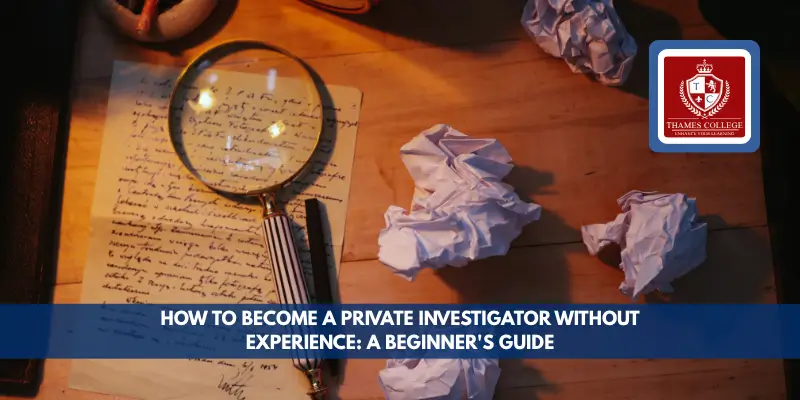
One of the biggest myths about becoming a private investigator is that you need years of experience before you can even begin.
In reality, every experienced investigator started exactly where every beginner starts—with little or no investigative knowledge. Nobody begins their career knowing how to gather information professionally, prepare detailed reports, or conduct enquiries responsibly. These abilities are developed through learning, practice, and continuous improvement.
Starting without experience doesn’t mean starting without opportunity. Many people enter private investigation after working in customer service, administration, security, retail, hospitality, or other industries where transferable skills are already being used every day.
If you’re interested in building a career in investigations but aren’t sure where to begin, this guide outlines the practical steps that can help you develop your knowledge, strengthen your skills, and prepare for future opportunities.
Can You Become a Private Investigator Without Experience?
Yes, it’s possible to begin your journey without previous investigative experience.
Like many professions, private investigation requires knowledge, practical skills, and a professional mindset rather than years of experience before you can start learning. Everyone enters the field at a different point, and training provides the foundation needed to build confidence and competence over time.
A quality private investigator course introduces learners to the principles of investigation, professional conduct, observation techniques, research methods, report writing, communication, and ethical responsibilities. These are the building blocks that prepare beginners for further development.
It’s also important to remember that experience grows gradually. Completing a course won’t make someone an expert overnight, but it can provide the knowledge and confidence needed to take the next step in their professional journey.
Table of Contents
Understand What the Role Really Involves
Before enrolling in private investigator training, it’s helpful to understand what the profession actually involves.
Many people associate investigators with dramatic scenes from television or films. In reality, the work is far more structured and detail-oriented.
Private investigators spend much of their time:
- Conducting research
- Gathering information responsibly
- Reviewing documents
- Observing situations carefully
- Writing accurate reports
- Communicating with clients
- Maintaining detailed records
- Following legal and ethical standards
Success in this profession depends on patience, organisation, accuracy, and professionalism rather than dramatic action.
The more realistic your expectations are from the beginning, the more rewarding your learning experience is likely to be.
Build the Right Skills

While experience plays an important role in professional development, it’s strong core skills that help investigators perform their work effectively. The good news is that many of these abilities can be developed long before you gain your first investigation-related role.
Rather than trying to master everything at once, focus on building a solid foundation. Improving one skill at a time will help you become more confident and better prepared for future learning and practical experience.
Some of the most valuable skills for aspiring investigators include:
- Observation
- Critical thinking
- Communication
- Research
- Attention to detail
- Problem-solving
- Report writing
- Time management
These skills support almost every aspect of investigative work. Whether you’re reviewing information, organising evidence, communicating with clients, or preparing reports, each ability contributes to a professional and methodical approach.
Fortunately, developing these skills doesn’t always require specialist equipment or workplace experience. You can strengthen them through everyday activities such as reading carefully, organising information, practising clear writing, improving your communication, and paying closer attention to details in your surroundings. Even simple habits, when practised consistently, can make a meaningful difference over time.
Another advantage is that these are highly transferable skills. They are valued not only in private investigation but also in fields such as security, compliance, legal support, fraud prevention, customer service, and administration. As a result, the time you invest in developing them can benefit your wider career, regardless of the path you choose.
Progress Milestone
By this stage, you should have a good understanding of the key skills used by professional investigators and recognise which areas you would like to strengthen further. Building these foundations now will make future training easier to follow and help you approach investigative work with greater confidence.
Enrol in a Private Investigator Course
Once you understand the profession and the skills involved, the next step is formal learning.
A well-designed private investigator course provides structured knowledge that can be difficult to gain through independent research alone. Rather than searching for information from multiple sources, you’ll follow a logical learning path that introduces essential investigative principles step by step.
A beginner-friendly course may cover topics such as:
- Investigation planning
- Observation techniques
- Information gathering
- Report writing
- Professional communication
- Ethics and confidentiality
- Legal responsibilities
- Evidence handling
- Professional standards
When comparing courses, look for a programme that clearly explains its curriculum, learning outcomes, and the practical skills you’ll develop.
Myth vs Fact
Myth: You need years of experience before taking investigator training.
Fact: Training is designed to help beginners build the knowledge and confidence needed to start their learning journey.
Learn the Legal and Ethical Responsibilities
Professional investigators are expected to work responsibly and within appropriate legal and ethical boundaries. While learning investigative techniques is important, understanding the responsibilities that come with those techniques is equally essential.
Every investigation involves handling information with care, respecting privacy, and maintaining professional standards. Acting responsibly helps protect not only the investigator but also the client, the people involved in the investigation, and the credibility of the work being carried out. This is why legal and ethical awareness forms a key part of quality private investigator training.
During your training, you’ll typically be introduced to areas such as:
- Professional conduct
- Confidentiality
- Responsible information handling
- Ethical decision-making
- Legal responsibilities
- Accurate documentation

These subjects help learners understand the importance of carrying out investigations in a fair, responsible, and professional manner. They also explain why investigators should rely on accurate information, maintain detailed records, and follow established procedures throughout every stage of an investigation.
Although you don’t need to become a legal expert before starting your career, developing a strong understanding of professional responsibilities will help you approach investigations with confidence and integrity. It also prepares you to make informed decisions when dealing with sensitive information or challenging situations.
Remember, successful investigators aren’t recognised solely for their ability to gather information. They are respected because they conduct their work professionally, follow ethical principles, and understand the importance of accountability in everything they do.
Progress Milestone
By this stage, you should understand not only how investigations are carried out but also why professionalism, ethics, confidentiality, and legal awareness are fundamental to becoming a trusted investigator. These principles provide the foundation for responsible investigative practice and will support you throughout your professional journey.
Gain Practical Experience Through Practice
Practical experience doesn’t always begin with paid investigative work.
One of the best ways to build confidence is by applying what you’ve learned through regular practice.
For example, you can strengthen your skills by:
- Practising observation in everyday environments.
- Improving your report-writing skills.
- Organising research clearly and accurately.
- Analysing information objectively.
- Developing better communication habits.
- Reviewing case-study exercises included within your course.
The goal isn’t to rush into complex investigations. Instead, focus on building strong professional habits that you’ll continue using throughout your career.
Small improvements made consistently often lead to significant progress over time.
Beginner Tip
Don’t worry about knowing everything straight away. Every new skill you practise brings you one step closer to becoming a more confident and capable investigator.
Build a Professional CV
As you complete your private investigator training, it’s a good idea to begin preparing a professional CV. Even if you’re new to the field, you may already have valuable transferable skills from previous education, volunteering, or employment.
Employers often look beyond direct investigative experience. Skills such as communication, organisation, problem-solving, customer service, attention to detail, and report writing are valuable in many investigation-related roles.
When creating your CV, highlight:
- Your private investigator training and relevant certifications.
- Transferable workplace skills.
- Communication and research abilities.
- Experience handling confidential information, where applicable.
- Professional achievements and continuous learning.
Keep your CV clear, well organised, and tailored to the type of role you’re applying for. A professional presentation can leave a positive first impression and demonstrate your commitment to the profession.
Progress Milestone
By this stage, you should have a CV that reflects both your training and the strengths you can bring to an investigative role.
Keep Learning and Developing
Completing a private investigator course is an important milestone, but it should be viewed as the beginning of your professional development rather than the final destination.
Like many careers, private investigation continues to evolve. Advances in technology, changes in workplace practices, and new approaches to gathering and analysing information mean that investigators benefit from updating their knowledge throughout their careers. A willingness to keep learning helps professionals adapt to changing expectations and continue improving their abilities over time.
Continuous learning isn’t just about studying new topics. It’s also about refining the skills you’ve already developed and finding ways to become more effective in your work. Every new piece of knowledge and every practical experience contributes to greater confidence and professional growth.
There are many ways to continue building your expertise, including:

- Completing additional professional training.
- Improving your report-writing skills.
- Expanding your research techniques.
- Strengthening your communication abilities.
- Keeping up to date with developments in the investigation field.
- Learning from experienced professionals and industry resources.
- Regularly reviewing and improving your existing skills.
Developing a habit of lifelong learning also demonstrates a positive professional attitude. Employers and clients often value individuals who are committed to improving their knowledge, staying informed, and maintaining high standards throughout their careers.
It’s important to remember that no investigator knows everything. Even experienced professionals continue learning as they encounter new situations and develop their expertise. Viewing learning as an ongoing journey rather than a one-time achievement will help you remain adaptable and better prepared for future opportunities.
Myth vs Fact
Myth: Completing one course is enough for an entire career.
Fact: A quality course provides a strong foundation, but ongoing learning, practical experience, and professional development help investigators strengthen their skills and stay up to date with industry practices throughout their careers.
Beginner Checklist
Before applying for investigation-related opportunities, see how many of these steps you’ve completed.
- I understand the responsibilities of a private investigator.
- I have developed key skills such as observation, communication, and research.
- I have completed or enrolled in a private investigator course.
- I understand the importance of legal and ethical responsibilities.
- I regularly practise report writing and analytical thinking.
- My CV highlights my transferable skills and training.
- I have a plan to continue learning and improving my knowledge.
If you can tick most of these boxes, you’re building a strong foundation for your future career.
Career Opportunities
Completing private investigator training can open the door to a range of careers where investigative and analytical skills are valued.
Potential opportunities include:
- Private Investigator
- Corporate Investigator
- Insurance Fraud Investigator
- Workplace Investigation Officer
- Security and Risk Consultant
- Fraud Prevention Officer
- Legal Support Assistant
- Compliance and Risk Administrator
Many of these roles require strong communication, research, organisation, and critical thinking skills—all of which can be developed through quality investigator training.
As you gain experience and continue learning, you may also discover opportunities to specialise in particular areas of investigation.
UK Salary Expectations
Salaries vary depending on experience, employer, location, and area of specialisation. The figures below provide a general guide to earnings within the UK.

Please note that salaries are approximate and may vary depending on qualifications, employer, industry, experience, and location.
Final Thoughts
Starting a career without previous experience can feel challenging, but it shouldn’t discourage you from pursuing your goals. Every experienced private investigator once stood at the same starting point, learning the fundamentals and building their confidence one step at a time.
Success in private investigation isn’t determined by where you begin—it’s shaped by your willingness to learn, practise, and continue improving. By understanding the profession, developing essential skills, completing private investigator training, and maintaining a commitment to professional growth, you can build a strong foundation for future opportunities.
Rather than focusing on the experience you don’t yet have, focus on the knowledge and skills you can begin developing today. Every course completed, every skill strengthened, and every lesson learned brings you closer to becoming a capable and confident investigation professional.
FAQs
Yes. Many people begin private investigator training with no prior investigative experience and build their skills through learning and practice.
Start by understanding the role, developing key skills, and enrolling in a private investigator course that provides a strong foundation.
Observation, communication, research, attention to detail, critical thinking, organisation, and report writing are among the most valuable skills.
No. Many courses are designed specifically for beginners and do not require previous qualifications or investigative experience.
Yes. Many providers offer flexible online courses that allow learners to study at their own pace while developing core investigative knowledge.
Training can support careers in private investigation, corporate investigations, fraud prevention, legal support, workplace investigations, compliance, and security.
The timeline varies depending on your training, career goals, and practical experience. Learning is an ongoing process, even after completing a course.
Yes. Clear, accurate, and well-organised reports are an essential part of professional investigative work.
Ongoing learning helps investigators strengthen their skills, stay informed about professional practices, and continue developing throughout their careers.
Yes. Many investigators come from different professional backgrounds and successfully apply transferable skills such as communication, organisation, research, and problem-solving to their new careers.
Still searching for the right course? View All Courses NOW


- All courses
- QLS Endorsed Single Course683
- Management Courses329
- Technology Courses322
- Mega Bundles269
- Business Courses237
- Health Courses213
- Teaching Courses201
- Professional & Personal Growth196
- Creative Courses95
- Law Courses85
- Marketing Courses77
- Counselling Courses71
- Engineering Courses53
- Job Guarantee Programme50
- Arts Courses37
- 4-in-1 bundle32
- QLS Endorsed Single Course with Free Certificate27
- Science Courses26
- Agriculture Courses22
- Regulated Courses7
- Psychology2