
Many people discover their passion for helping others through unexpected experiences. For some, it begins with creativity — drawing, painting, writing, or creating something meaningful during challenging moments. Over time, they realise that creativity is not only a way to express ideas and emotions but can also become a valuable tool for supporting emotional wellbeing and personal growth.
Art therapy is a growing field that combines creativity, psychology, and therapeutic approaches to help individuals explore emotions, build self-awareness, and communicate experiences that may be difficult to express through words. This has encouraged many people to explore whether a career in art therapy could be the right choice for them.
However, becoming an art therapist involves more than simply enjoying creative activities. Professionals need knowledge of therapeutic methods, human behaviour, ethical practice, communication skills, and approaches for supporting different groups, including children, adults, and families. For beginners exploring how to become an art therapist, understanding the profession, required skills, career opportunities, and available training options can help create a clearer pathway into this meaningful field.
Understanding the Role of an Art Therapist
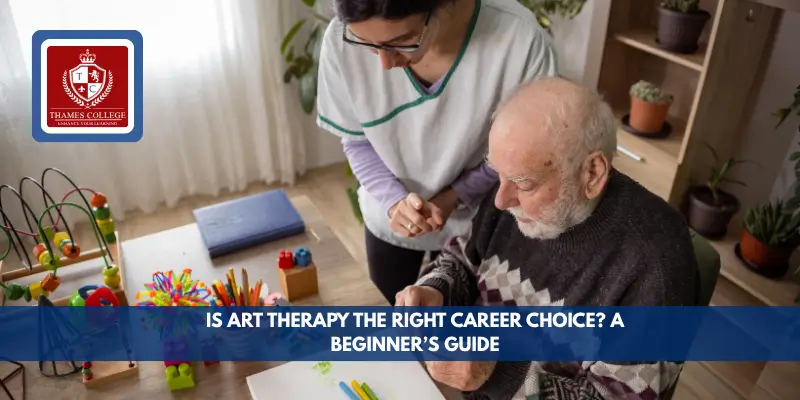
An art therapist is a professional who uses creative activities and therapeutic techniques to support individuals with emotional, psychological, and personal challenges. Unlike traditional art classes, art therapy is not focused on creating perfect artwork or developing artistic ability. Instead, the focus is on the process of creativity and how it can support communication, reflection, and emotional exploration.
Art therapists work with people who may find it difficult to express their thoughts and feelings through conversation alone. Creative activities such as drawing, painting, and reflective writing can provide alternative ways for individuals to explore their experiences.
The role of an art therapist may involve:
- Creating safe and supportive environments for clients
- Using creative methods to encourage self-expression
- Understanding emotional responses and behaviours
- Applying therapeutic techniques appropriately
- Supporting personal development and wellbeing
A successful practitioner combines creativity with knowledge of psychology, communication, and ethical responsibilities. The ability to listen, observe, and respond professionally is just as important as having an interest in creative activities.
Many people are attracted to this career because it allows them to combine their passion for creativity with the opportunity to make a positive difference in people’s lives.
Why Art Therapy Is Becoming a Meaningful Career Choice
Modern society has increased awareness around mental health, emotional wellbeing, and the importance of supportive care. As more individuals and organisations recognise the value of creative approaches, interest in art therapy certification and professional training continues to grow.
Art therapy provides a different approach to supporting people. While talking therapies can be valuable, some individuals communicate more naturally through creative expression. Art-based activities can help people explore emotions, experiences, and personal challenges in a comfortable environment.
This approach can be useful across different settings, including:
- Mental health support services
- Educational environments
- Community programmes
- Healthcare organisations
- Family support services
- Wellbeing initiatives
The profession can appeal to people who want a career that combines human connection, creativity, and meaningful support. It is particularly suitable for individuals who enjoy understanding people, encouraging personal growth, and using creative methods to help others.
However, it is important for beginners to understand that art therapy requires professional knowledge. A person does not become an art therapist simply by enjoying art. Learning therapeutic principles, client communication, and practical applications is an essential part of developing professional skills.
Is Art Therapy Suitable for Beginners?
Many beginners hesitate before entering the field because they assume they need advanced artistic skills or previous experience in psychology. While creativity and an interest in helping others are valuable starting points, professional development focuses on learning the methods and knowledge needed to work responsibly.
Art therapy can be suitable for beginners who are willing to develop:
➽ Interest in Human Behaviour
Understanding emotions, experiences, and individual differences helps practitioners create better support approaches. Knowledge of psychology and neuroscience provides a foundation for understanding how creative activities can influence thoughts and feelings.
➽ Communication Skills
Art therapists need strong listening and communication abilities. Clients may share personal experiences, and practitioners must respond with sensitivity, respect, and professionalism.
➽ Creative Confidence
Art therapy is not about producing professional artwork. Practitioners learn how creative activities can be used as tools for reflection, expression, and emotional support.
➽ Commitment to Learning
Like any professional field, art therapy requires continuous learning. Developing knowledge through structured education, training, and practical experience helps beginners build confidence
For individuals searching art therapy courses online UK, flexible learning options can provide an accessible way to explore the subject and develop foundational knowledge before progressing further.
Skills Needed to Build a Career in Art Therapy

A successful art therapist requires a combination of creative, interpersonal, and professional abilities. While creativity is an important part of the field, several other skills contribute to effective practice.
Empathy and Emotional Awareness
Art therapists often support individuals experiencing personal difficulties. Being able to understand different perspectives and respond with compassion helps create stronger professional relationships.
Understanding of Therapeutic Approaches
Practitioners need knowledge of how creative activities can support emotional exploration. Understanding different methods allows them to choose suitable approaches for different situations.
Observation Skills
Creative expression can provide insights into a person’s thoughts and feelings. Practitioners need to observe carefully while avoiding assumptions and maintaining professional boundaries.
Patience and Adaptability
Every individual responds differently to creative activities. Art therapists must adapt their approach depending on the needs, preferences, and comfort levels of each person.
Professional Responsibility
Working with vulnerable individuals requires awareness of ethics, confidentiality, safeguarding, and appropriate professional conduct.
Developing these skills helps learners move from simply being interested in creativity to becoming prepared for professional therapeutic environments.
How to Become an Art Therapist: A Beginner’s Pathway
For those researching how to become an art therapist, the journey usually involves building knowledge, gaining relevant training, and developing practical awareness.
Although career pathways can vary depending on location and professional requirements, beginners often follow several important steps.
Step 1: Develop Knowledge About Art Therapy
The first step is learning what art therapy involves and how creative methods are used in therapeutic settings. Understanding the relationship between creativity, emotions, and human behaviour provides a strong foundation.
Step 2: Complete Relevant Training
Structured education helps learners understand essential areas such as therapeutic techniques, psychology, mindfulness, and practical applications.
An art therapy diploma can help beginners develop a broader understanding of the field while gaining confidence in key concepts
Step 3: Explore Practical Applications
Learning how art therapy is used with different groups helps future practitioners understand real-world situations. This includes approaches for children, adults, families, and individuals experiencing health challenges.
Step 4: Continue Professional Development
Successful practitioners continue improving their knowledge through further learning, experience, and professional development opportunities.
For learners exploring how to become an art therapist in the UK, it is also important to research professional expectations, relevant qualifications, and registration requirements connected with working in therapeutic settings.
Understanding the Importance of Art Therapy Training

Developing a career in art therapy requires more than a personal interest in creativity. Professional practice involves understanding how creative methods connect with emotions, behaviour, communication, and wellbeing. Structured learning helps beginners build the knowledge needed to approach art therapy in a responsible and effective way.
A quality training programme introduces learners to important areas such as psychology, therapeutic approaches, creative techniques, mindfulness, and practical applications. These areas help future practitioners understand how different creative activities can support individuals in various situations.
An art therapy diploma can be a valuable starting point for learners who want to explore the profession and develop foundational skills. Through guided study, learners can understand the principles behind creative healing and how art-based approaches can be adapted for different groups.
Training also helps learners recognise that art therapy is not about analysing artwork or judging artistic ability. Instead, it focuses on using creativity as a communication and reflection tool. This distinction is important for anyone considering a future role as an art therapist.
Career Opportunities in Art Therapy
Art therapy can lead to opportunities across different sectors where emotional support, creativity, and wellbeing services are valued. Career paths may vary depending on qualifications, experience, professional requirements, and the type of organisation a practitioner chooses to work with.
Some professionals work directly with clients, while others use art therapy knowledge within education, community support, healthcare, or wellbeing roles.
Potential career areas include:

Salary levels can vary depending on location, experience, employer, specialist knowledge, and professional qualifications. Developing additional skills in areas such as counselling, psychology, or healthcare support may create further opportunities.
Who Should Consider This Art Therapy Course?
Art therapy can be a suitable learning pathway for people who want to combine creativity with helping others. It can support beginners who are exploring a new career direction as well as professionals who want to expand their existing knowledge.
This course may be suitable for:
- Individuals interested in becoming an art therapist
- Beginners exploring creative healing approaches
- Healthcare and wellbeing professionals
- Counsellors and support workers
- Teachers and childcare professionals
- People interested in emotional wellbeing and personal development
- Career changers looking for meaningful work
It can also benefit learners who want to understand how creativity, mindfulness, and therapeutic methods can be used to support different individuals and communities.
Course Modules
Building knowledge in art therapy requires an understanding of psychology, creative approaches, practical techniques, and different client needs. This Creative Healing: Art Therapy Certification Diploma for Practitioners introduces learners to essential concepts that support the development of art therapy knowledge and practical awareness.
Module 01: Introduction to Art Therapy
This module introduces the foundations of art therapy and explains how creative activities can be used as supportive therapeutic approaches. Learners explore the purpose of art therapy and its role in emotional expression and personal development.
Module 02: Art Therapy: Psychology and Neuroscience
This module explores the connection between creativity, the mind, and human behaviour. Learners gain awareness of psychological and neurological concepts that help explain how creative processes may influence emotions and wellbeing.
Module 03: Art Therapy in Practice
Learners explore how art therapy concepts are applied in practical situations. This module focuses on understanding professional approaches, client interactions, and the use of creative methods within supportive environments.
Module 04: Creative Therapy
This module examines different creative approaches used within therapeutic settings. Learners discover how various forms of creative expression can encourage communication, reflection, and emotional exploration.
Module 05: Mindful Creativity: Colour and Creation
This module introduces the relationship between mindfulness, colours, and creative activities. Learners explore how focused creative practices can support relaxation, awareness, and emotional connection.
Module 06: Art Therapy Techniques and Applications
Learners develop knowledge of different techniques used in art therapy and how they can be applied with different individuals. The module highlights practical methods that support creative expression and therapeutic engagement.
Module 07: Using Mindfulness in Art Therapy
This module explores how mindfulness principles can strengthen art therapy practices. Learners understand how awareness, attention, and presence can improve creative therapeutic experiences.
Module 08: Drawings
This module focuses on drawing as a powerful creative tool within art therapy. Learners explore how drawings can support self-expression, reflection, and communication of personal experiences.
Module 09: Reflective Writing
This module introduces reflective writing as another method of exploring thoughts, emotions, and experiences. Learners understand how writing activities can complement creative therapeutic approaches.
Module 10: Art Therapy for Children
This module examines how art therapy approaches can support children’s emotional expression and development. Learners explore age-appropriate creative methods and considerations when working with younger individuals.
Module 11: Art Therapy for Adults
This module focuses on applying art therapy approaches with adults. Learners explore how creativity can support emotional wellbeing, self-reflection, and personal growth throughout adulthood.
Module 12: Art Therapy for Family
This module explores how creative activities can support family communication and relationships. Learners understand how art therapy methods may encourage connection and shared expression within families.
Module 13: Illness and Art
This module examines the relationship between creativity and experiences of illness. Learners explore how art-based approaches may provide emotional support and encourage coping during challenging situations.
Module 14: The Art Therapist
This module focuses on the role, responsibilities, and professional qualities of an art therapist. Learners develop awareness of ethical practice, professional behaviour, and the skills required to support others effectively.
Final Thoughts
Choosing a career path is a personal decision, especially when the profession involves supporting people through meaningful experiences. Art therapy offers a unique opportunity to combine creativity, psychology, and human connection into a rewarding area of practice.
For beginners, becoming an art therapist requires commitment, learning, and a willingness to develop both creative and professional skills. While artistic ability can be helpful, the most important qualities include empathy, communication, patience, and a desire to support others.
A structured learning pathway can help learners understand the foundations of the profession and develop confidence in essential concepts. The Creative Healing: Art Therapy Certification Diploma for Practitioners provides knowledge of therapeutic approaches, creative techniques, mindfulness, and practical applications that can support learners beginning their journey into art therapy.
With the right training and continuous development, individuals can explore opportunities where creativity becomes a meaningful tool for supporting emotional wellbeing and personal growth.
FAQs
Requirements can vary depending on location and professional standards. Many aspiring practitioners begin by studying art therapy, psychology, counselling, or related subjects to develop relevant knowledge and skills.
Yes. Beginners can study an art therapy diploma to build foundational knowledge about creative therapy, therapeutic techniques, psychology, and practical applications.
No. Art therapy is not about creating professional artwork. The focus is on using creativity as a tool for communication, reflection, and emotional support.
Learners should explore recognised training options, understand professional expectations, and develop knowledge of therapeutic methods, psychology, and ethical practice.
Important skills include empathy, communication, patience, creativity, observation, emotional awareness, and the ability to build supportive professional relationships.
An online art therapy course may cover topics such as creative therapy, psychology, mindfulness, art therapy techniques, client applications, and professional practice.
Yes. Art therapy approaches can be adapted for different age groups, including children, adults, and families, depending on individual needs and circumstances.
Yes. Art therapy is often connected with emotional wellbeing and mental health support because creative approaches can help individuals express feelings and explore personal experiences.
Career opportunities may include roles in art therapy support, wellbeing services, community programmes, healthcare environments, and other areas involving creative support approaches.
An art therapy certification course can help learners develop structured knowledge, understand professional approaches, and build confidence in using creative methods within supportive settings.
Still searching for the right course? View All Courses NOW


- All courses
- QLS Endorsed Single Course683
- Management Courses329
- Technology Courses322
- Mega Bundles269
- Business Courses237
- Health Courses213
- Teaching Courses201
- Professional & Personal Growth196
- Creative Courses95
- Law Courses85
- Marketing Courses77
- Counselling Courses71
- Engineering Courses53
- Job Guarantee Programme50
- Arts Courses37
- 4-in-1 bundle32
- QLS Endorsed Single Course with Free Certificate27
- Science Courses26
- Agriculture Courses22
- Regulated Courses7
- Psychology2