Healthcare is a rapidly growing industry, offering numerous job opportunities, many of which require little to no prior experience. Whether you’re just starting out or looking to transition into a new field, healthcare jobs are in high demand, and there are many paths you can take. Here’s a breakdown of five entry-level healthcare roles that can kickstart your career, along with tips for getting started.
1. Benefits Verification Specialist
A Benefits Verification Specialist plays an important role in healthcare facilities by providing clerical and non-medical support. Their primary job involves verifying health insurance coverage, obtaining prior authorizations for medical procedures, and managing the paperwork necessary for insurance providers. These specialists work closely with patients and insurance companies, ensuring that insurance claims are processed accurately and efficiently.
Skills Required:
- Customer service
- Confidentiality
- Agility in a fast-paced environment
Most positions require a high school diploma, with some asking for knowledge of medical terminology and insurance procedures. Working as a Benefits Verification Specialist offers a great entry into the healthcare field with opportunities for advancement.
2. Nursing Assistant
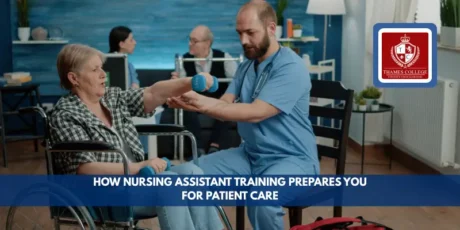
Nursing assistants, also known as patient care technicians, support licensed nurses by assisting patients with basic health care needs. These roles include maintaining treatment areas, taking vital signs, helping with personal hygiene, and communicating updates to the nursing team.
Skills Required:
- Compassion and patience
- Strong communication skills
- Attention to detail
To become a nursing assistant, you typically need a high school diploma, and while some employers may require a Certified Nursing Assistant (CNA) certification, this can be obtained in as little as 4 to 16 weeks.
3. Dental Assistant
Dental Assistants provide support in dental clinics, assisting with both clinical and administrative tasks. From welcoming patients to sterilizing dental equipment and maintaining exam rooms, dental assistants play a vital role in ensuring the smooth operation of a dental practice.
Skills Required:
- Critical thinking
- Customer service
- Basic computer skills
Most dental assistant roles require a high school diploma, and some may also ask for CPR certification and completion of a dental assisting program, which typically takes 9 to 11 months.
4. Medical Receptionist
A Medical Receptionist manages the front desk at healthcare facilities, ensuring that patients are greeted and checked in, collecting personal and medical information, scheduling appointments, and handling medical records. This role is essential for ensuring the administrative side of a medical office runs smoothly.
Skills Required:
- Strong organizational skills
- Excellent communication
- Customer service
To work as a medical receptionist, a high school diploma or equivalent is typically required, and strong organizational skills are a must. Many medical receptionists also find that a background in customer service is beneficial.
5. Patient Transporter
Patient Transporters are responsible for moving patients, equipment, and materials around healthcare facilities. They ensure patients are safely transferred to different departments, following strict safety protocols and providing comfort during transport.
Skills Required:
- Physical stamina
- Strong communication skills
- Organizational skills
Patient transport roles require a high school diploma, and additional certifications like Basic Life Support (BLS) or EMT certifications may be beneficial.