
Blog Updated

Art Therapy for Children: Benefits, Techniques and When It Helps

9 min read By Amelia
Jump to contents
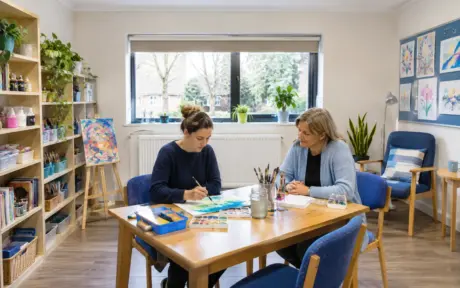
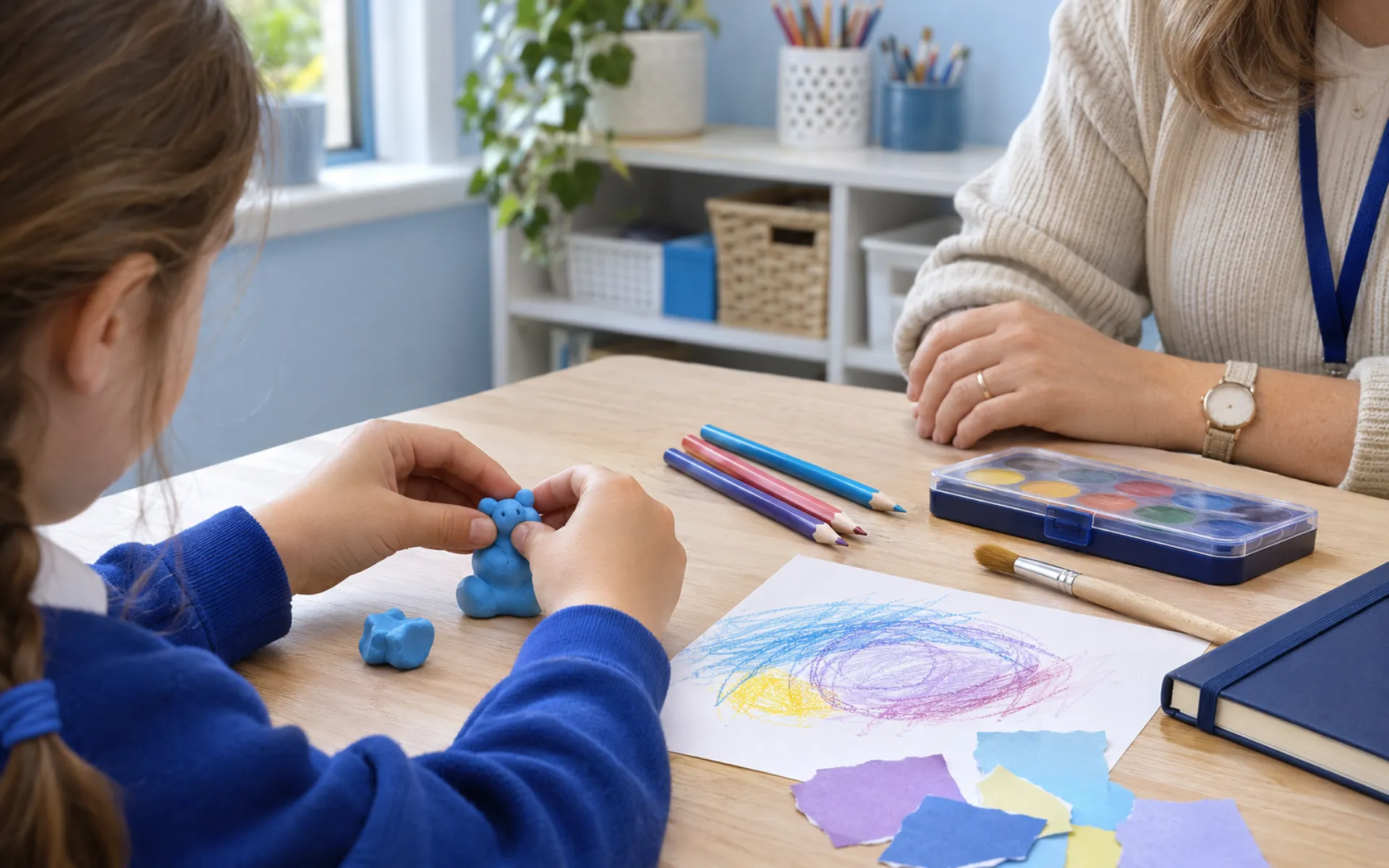
A child working with modelling clay and drawing materials alongside an adult in a calm UK art therapy room.

Children do not always have the words to explain what is troubling them. Sometimes, a drawing or a piece of artwork can help them communicate feelings they find difficult to describe.

Art therapy for children is a form of psychotherapy that uses creative expression to support emotional wellbeing, communication and self-understanding. It may help children experiencing anxiety, grief, difficult life changes or other emotional challenges.

But when is art therapy appropriate, and what happens during a session? This guide explains its potential benefits, common techniques and how families can access qualified support in the UK.

Table of Contents

What Is Art Therapy for Children?

Art therapy combines creative activities with professional psychological support. Children use materials such as paints, pencils and clay to communicate thoughts and emotions with a trained therapist.

The British Association of Art Therapists (BAAT) describes art therapy as a form of psychotherapy that uses art as its main form of expression alongside communication with a therapist.

Unlike an ordinary art lesson, the focus is not on producing attractive artwork. It is on emotional expression and the therapeutic relationship.

Our guide explaining what art therapy is and how it works provides a broader introduction to the approach and who it may help.

Adults interested in creative wellbeing approaches can consider Thames College’s Art Therapy Certification Diploma, which covers art therapy principles and child-focused applications.

What Are the Benefits of Art Therapy for Children?

The benefits of art therapy for children depend on their individual needs, experiences and the support provided.

Potential benefits include:

  • Emotional expression: Helping children communicate feelings they struggle to explain verbally.
  • Emotional regulation: Providing opportunities to recognise and manage difficult emotions.
  • Self-confidence: Encouraging expression without worrying about artistic ability.
  • Communication: Offering another way to share experiences with a trusted professional.
  • Self-understanding: Helping children reflect on feelings, relationships and experiences.
Infographic showing five ways art therapy may support children's emotional expression, regulation, communication, confidence and self-understanding.

The BAAT’s research summary on primary-school children reports promising findings for emotional wellbeing.

However, a 2020 systematic narrative review of 37 studies identified differences in therapeutic approaches and research quality. Further research is needed to establish which methods work best for particular children.

Our article on the benefits of art therapy examines the wider research and its limitations in more detail.

Free interactive career resource

GP Practice Nurse Training Route Finder

Four questions. Practical UK training pathways. No sign-up.

Which GP nursing training route should you investigate?

Choose your current position, learning goal, UK nation and preferred outcome. Get a tailored overview of suitable routes to research, plus official guidance links.

4 short questionsUK-wide signpostingNo personal details
What does the tool check?

Your NMC registration position comes first. The tool then suggests routes such as approved nurse education, supervised GP practice training, university study or supplementary online learning. It does not establish course eligibility, approve competencies or award qualifications.

When Might Art Therapy Help a Child?

Every child experiences difficult emotions occasionally. However, persistent distress or difficulties affecting everyday life may suggest that additional support would be helpful.

Art therapy for children may be considered in situations involving:

  • Anxiety and worries: When children struggle to express fears or manage overwhelming feelings.
  • Bereavement: When adjusting to the death of someone important.
  • Family changes: Including separation, moving home or changes in family circumstances.
  • Bullying: When difficult social experiences affect confidence and wellbeing.
  • Traumatic experiences: When specialist support may help children process distress.
  • Communication differences: When creative expression offers an alternative to relying entirely on speech.

Some autistic children or children with additional needs may find creative approaches helpful when adapted to their preferences.

Art therapy is not automatically appropriate for every child experiencing these difficulties. A qualified professional can assess whether it is suitable.

Anxiety can affect children in different ways, and our guide to art therapy for anxiety discusses creative approaches that may support emotional wellbeing.

The NHS guidance on supporting children’s mental health provides advice about recognising concerns and seeking appropriate help.

Parents, teachers and childcare professionals interested in understanding children’s emotional difficulties may also consider Thames College’s Counselling Children & Supporting Their Wellbeing. It covers recognising mental health difficulties, early support approaches and accessing external support services.

What Happens During a Child's Art Therapy Session?

An art therapy session provides a supportive environment where children can express themselves creatively.

Although approaches vary, sessions may involve:

  1. Getting comfortable: The therapist builds trust and introduces suitable materials.
  2. Creative expression: The child draws, paints, models or uses other materials according to their interests.
  3. Gentle reflection: The therapist may invite the child to discuss their artwork or feelings.
  4. Ongoing support: The therapist reviews progress and adapts future sessions where appropriate.
Four-step diagram illustrating how a child's art therapy session may involve building trust, making art, gentle reflection and reviewing support.

For example, a child experiencing friendship difficulties might draw a picture representing their school day. The therapist could use it to begin a conversation without imposing a fixed meaning on the artwork.

Sessions may be individual or group-based. Their length, frequency and format depend on the service and the child’s needs.

Therapists should explain confidentiality, safeguarding responsibilities and how parents or carers will be involved.

Thames College Parent & carer learning resource
FREE PDF
Cover of the Preparing Your Child for Art Therapy first-session guide

Preparing Your Child for Art Therapy

A gentle, illustrated first-session guide to help families prepare, ask the right questions and support children without pressure.

  • First-session checklist
  • Therapist questions
  • Child-friendly worksheets
  • Appointment planner
14-page illustrated PDF · Printable & fillable · No sign-up required

Common Art Therapy Techniques for Children

Different art therapy techniques for children provide ways to communicate feelings and experiences.

Drawing, Painting and Visual Storytelling

Drawing and painting allow children to represent emotions through shapes, images and colours.

A therapist might invite a child to illustrate somewhere they feel comfortable. Visual storytelling can help children communicate experiences they find difficult to discuss.

There is no universal meaning attached to a particular colour or drawing.

Collage, Clay Modelling and Sensory Materials

Collage allows children to combine pictures, colours and textures to represent experiences or ideas.

Clay modelling offers a tactile approach that some children may prefer. Materials should reflect individual abilities, sensory preferences and needs.

For education professionals supporting pupils with additional needs, Thames College’s SEN – Special Educational Needs course covers inclusive teaching, communication, social and emotional needs, and sensory considerations.

These are just a few examples. Our dedicated article on art therapy techniques explains the wider range of methods practitioners may use.

Is Art Therapy the Same as Creative Activities at Home or School?

Not exactly. Both can support creative expression, but their purposes differ.

Professional art therapy Everyday creative activities
Delivered by a qualified, registered art therapist Can be facilitated by parents or teachers
Involves a therapeutic relationship and individual goals Focuses on creativity, enjoyment or general wellbeing
May form part of mental health support Is not automatically psychological treatment

Drawing, colouring and making crafts can provide enjoyable opportunities to express feelings.

Parents and teachers looking for everyday creative ideas can find further inspiration in our collection of art therapy activities for adults and children.

However, home and classroom activities should not replace professional mental health support when this is needed.

How to Find Art Therapy for Children in the UK

Infographic explaining how UK parents can discuss a child's support needs, enquire about suitable art therapy services and check HCPC registration.

Finding suitable support begins with understanding your child’s needs and checking the qualifications of the professional involved.

Speak to Your GP or School

Parents and carers can approach a GP, teacher, school nurse or special educational needs coordinator (SENCO) for guidance.

The NHS guidance on accessing children’s mental health support explains that referrals can be arranged through appropriate professionals. Some local services also accept self-referrals.

Depending on the circumstances, support may be available through schools, community services or children’s mental health services, sometimes known as CAMHS.

Art therapy availability varies, and a referral does not guarantee access to this specific treatment.

Check the Art Therapist's Registration

In the UK, art therapist and art psychotherapist are legally protected titles.

The Health and Care Professions Council (HCPC) requires professionals using these titles to be registered. Parents can check a practitioner’s registration through its online register.

It is also sensible to ask about experience working with children, confidentiality and safeguarding arrangements.

Readers interested in entering the profession may wonder whether they can become an art therapist without a degree. Our dedicated career guide explains the qualification requirements and available UK training routes.

Short CPD courses and introductory training are not substitutes for the approved professional training required for HCPC registration.

How Do You Explain Art Therapy to a 5-Year-Old?

Keep the explanation simple, positive and appropriate for the child’s age.

You might say:

“You’ll meet someone who helps children understand their feelings. You can draw, paint or make things together. You don’t need to make a perfect picture, and you can ask questions.”

Explain what the first visit might involve and allow the child to express any concerns.

Children should not feel pressured to discuss difficult experiences before they are comfortable.

Final Thoughts: Choosing the Right Support for Your Child

Art therapy for children can offer a supportive way to express feelings, communicate experiences and develop emotional understanding.

Its suitability depends on the child’s circumstances, preferences and support needs. Parents and educators should consider professional advice when concerns persist.

For adults interested in studying creative approaches, Thames College’s Art Therapy Certification Diploma covers art therapy principles, mindful creativity and child-focused applications, with CPD and QLS certificate options.

The course develops subject knowledge but does not qualify learners for HCPC registration as art therapists.

Frequently Asked Questions

There is no universal minimum age. A child’s developmental stage, communication needs and individual circumstances help determine whether art therapy is appropriate.

No. Art therapy for children focuses on expression and emotional support rather than artistic performance. Drawing or painting skills are not required.

Some autistic children may benefit from creative ways to communicate and express emotions. Approaches should reflect individual sensory and communication needs. Art therapy is not a treatment or cure for autism.

Teachers can facilitate creative wellbeing activities, but professional art therapy requires an appropriately qualified, registered practitioner. Ordinary classroom art activities are not clinical therapy.

There is no fixed number of sessions for art therapy for children. The duration depends on the child’s emotional needs, circumstances and response to therapy. Some children may benefit from short-term support, while others require longer-term sessions. A qualified art therapist will review progress and discuss suitable arrangements with parents or carers.

Creative Healing: Art Therapy Certification Diploma for Practitioners £29.99 — one-off payment
Enrol Now

Accreditation and Endorsement

QLS
AoHT
UKRLP

Become Our Prime Member

Unlock a world of knowledge with 3000+ courses, unlimited PDF certificates, transcripts, a free student ID, and more.
Announcement

Subscribe to Our Newsletter & Get Latest News

top