



A GP surgery is a busy place, and practice nurses play an important part in helping patients stay healthy. But what does a practice nurse do during a typical working day?
A practice nurse assesses patients, provides vaccinations, carries out health checks, treats wounds and helps people manage long-term conditions. They also offer health advice, maintain patient records and work closely with GPs and other healthcare professionals.
Their responsibilities extend beyond routine appointments. From monitoring diabetes to providing preventive care, practice nurses support patients with different healthcare needs. Here’s what the role involves and how a typical day in a UK GP surgery might unfold.
What Is a Practice Nurse and What Is Their Role?
A practice nurse, also known as a general practice nurse (GPN), is a registered nurse who provides healthcare services within a GP surgery or another general practice setting.
According to the National Careers Service, practice nurses assess, screen and treat patients while offering advice on healthy living.
Unlike nurses working mainly on hospital wards, practice nurses frequently provide care through scheduled appointments. Their work includes preventive healthcare, routine clinical procedures and ongoing support for patients with long-term conditions.
Their responsibilities depend on their clinical competence, experience and the services offered by their practice.
For anyone interested in becoming a practice nurse, understanding these everyday responsibilities is a useful starting point before considering qualifications and career pathways.
Table of Contents
A Day in the Life of a Practice Nurse in a GP Surgery
No two working days are identical. Appointment schedules, patient needs, and clinical responsibilities can change throughout the day.
The following example shows how a practice nurse might spend a typical day in a UK GP surgery.

8:30 AM – Preparing for the Morning Clinics
The day often begins before the first patient arrives.
A practice nurse may review the appointment list, check relevant medical records and prepare the treatment room. This includes checking equipment, organising clinical supplies and making sure everything needed for the morning appointments is available.
For example, if the schedule includes blood pressure reviews and wound dressings, the nurse prepares the appropriate equipment.
They may also speak with colleagues about patients requiring additional support or follow-up care.
Good preparation helps appointments run smoothly and allows nurses to focus on each patient’s needs.
9:00 AM – Patient Assessments and Long-Term Condition Reviews
Morning appointments may involve patients living with diabetes, asthma, high blood pressure or other long-term conditions.
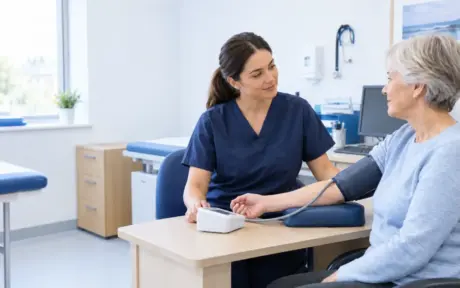
During a diabetes review, a practice nurse might check blood pressure, discuss relevant test results and ask how the patient is managing their condition.
For someone with asthma, the appointment could involve reviewing symptoms, discussing inhaler use and checking whether their current care plan is meeting their needs.
These consultations involve more than recording measurements. Nurses listen carefully, ask relevant questions and help patients understand their treatment and self-management plans.
If a patient’s symptoms have changed, the nurse may arrange further assessment or consult a GP.
Regular reviews help patients receive ongoing support and make informed decisions about their health.
11:00 AM – Vaccinations, Blood Tests and Wound Care
As the morning continues, appointments may shift towards routine clinical procedures.
A practice nurse might administer vaccinations, collect blood samples or assess a wound before applying a dressing.
Before a vaccination, the nurse checks relevant patient information, explains the procedure and follows the appropriate clinical guidance.
Wound-care appointments may involve assessing healing progress, changing dressings and checking for signs that further attention is needed.
Patient reassurance is important during these procedures. Clear explanations can help people feel more comfortable and understand what is happening.
The nurse also records the care provided and arranges follow-up appointments where appropriate.
1:30 PM – Follow-Up Appointments and Patient Education
Afternoon clinics may include follow-up reviews, preventive healthcare and health promotion.
A patient managing high blood pressure might attend for monitoring and advice about lifestyle habits that support their treatment.
Another patient may need help understanding their care plan or preparing for an additional assessment.
Practice nurses also discuss issues such as smoking cessation, physical activity and healthy eating when relevant to a patient’s circumstances.
Patient education is an important responsibility because medical information is most useful when people can apply it to everyday life.
By providing clear advice and listening to concerns, nurses help patients take an active role in managing their health.
3:00 PM – Patient Records, Referrals and Team Communication
Clinical responsibilities continue between appointments and towards the end of the working day.
Practice nurses update patient records, document observations, arrange follow-ups and communicate relevant concerns to other healthcare professionals.
Some patients require support from several members of the GP surgery team.
For example, a GP healthcare assistant may carry out certain routine observations, while a registered nurse performs clinical assessments and makes decisions appropriate to their professional responsibilities.
Understanding the GP healthcare assistant role is useful because healthcare assistants and practice nurses often work together while contributing different skills.
Accurate documentation and effective communication help the team coordinate patient care.
Protecting patient information is equally important, and the Caldicott Principles provide guidance on handling confidential healthcare records.
Practice Nurse Level 7
Build advanced primary care knowledge, from patient care, wound management and NHS operations to healthcare legislation and nursing responsibilities, for modern UK healthcare settings.Advanced practice nursing skills for UK GP surgeries and primary care.
- 15 Expert-Led Modules15 Modules
- 1 Year Full Access1 Year Access
- Self-Paced Online StudySelf-Paced
★★★★★ Rated 4.8 out of 54.8 / 5 🔒 14-day money-back guarantee14-day money-back
What Are the Main Duties of a Practice Nurse?
Practice nurse duties include clinical assessments, preventive healthcare, routine procedures and ongoing patient support.
The following table summarises common responsibilities.
| Responsibility | What it involves |
|---|---|
| Long-term condition management | Monitoring patients with diabetes, asthma and other ongoing conditions |
| Vaccinations | Administering appropriate immunisations and discussing relevant aftercare |
| Wound care | Assessing wounds, changing dressings and monitoring healing |
| Health checks | Carrying out clinical assessments and interpreting results |
| Screening | Carrying out cervical screening and supporting other screening programmes where trained |
| Travel health | Providing travel vaccinations and health advice before trips abroad |
| Contraception and sexual health | Offering contraception advice and sexual health support within their competence |
| Patient education | Offering practical advice about managing health conditions |
| Clinical documentation | Recording consultations, observations and follow-up plans |
Responsibilities vary by practice and the nurse’s training.

Supporting Patients With Long-Term Conditions
Many patients attend GP surgeries regularly because of conditions such as diabetes, asthma, chronic obstructive pulmonary disease (COPD) or cardiovascular disease.
Practice nurses may monitor symptoms, review clinical observations and support patients in following their care plans.
For example, a nurse might ask whether someone’s symptoms have changed, discuss relevant test results and identify concerns requiring further assessment.
This continuity of care helps patients manage ongoing conditions and maintain regular contact with their healthcare team.
Vaccinations, Screening and Preventive Care
Prevention is another important part of general practice nursing.
Practice nurses may provide childhood and adult vaccinations, support health checks and discuss ways to reduce health risks.
Some also undertake cervical screening appointments.
In England, cervical screening sample takers must meet the training and competency requirements outlined in the NHS cervical screening guidance.
Preventive care allows nurses to support patients with early identification of health concerns and appropriate health advice.
Many practice nurses also provide travel health appointments, offering advice and any recommended vaccinations before patients travel abroad.
Some practice nurses support contraception and sexual health services, such as giving contraception advice, where this falls within their training and competence.
Wound Care, Clinical Checks and Patient Advice
Wound care is a regular responsibility in many GP surgeries.
A practice nurse may assess a wound, provide suitable dressings and arrange further appointments to monitor healing.
Other routine activities can include blood sampling, blood pressure monitoring and discussing patients’ health concerns.
These appointments also provide opportunities to explain procedures, answer questions and offer reassurance.
After each appointment, practice nurses record consultations, observations and follow-up plans accurately in the patient’s record, so the wider healthcare team can provide consistent care.
Clinical Judgement, Prescribing and Specialist Duties
Some experienced practice nurses undertake specialist assessments or advanced clinical responsibilities.
For example, nurses with appropriate qualifications and experience may have responsibilities involving advanced assessment or independent prescribing.
The NMC standards for prescribers explain that nurses must have their prescribing qualification recorded on the professional register to prescribe medicines.
The scope of each nurse’s work reflects their qualifications, clinical competence and professional responsibilities.
How Do Practice Nurses Work With GPs and Other Healthcare Staff?
Practice nurses work as part of a wider primary care team that includes GPs, healthcare assistants, pharmacists and other professionals.

Their responsibilities often involve sharing relevant clinical information, coordinating follow-up appointments and recognising when patients need another professional’s assessment.
For example, a nurse reviewing a patient with a long-term condition may identify new symptoms and arrange a GP consultation.
The NMC Code sets professional standards for registered nurses, including effective communication, patient safety and practising within their competence.
Good teamwork allows different professionals to contribute their expertise while maintaining continuity of care.
Nursing assistants also contribute to patient care, and those interested in the role can read about working as a nursing assistant.
These everyday responsibilities also provide useful examples when preparing for a practice nurse interview, particularly when discussing communication, clinical judgement and patient-centred care.
What Is It Like Working as a Practice Nurse?
Practice nursing combines clinical responsibility with regular patient contact.
Some appointments involve straightforward procedures, while others require detailed assessments, patient education and coordination with the wider healthcare team.
The role calls for several important skills:
- Communication: Explaining healthcare information clearly and listening to patients.
- Organisation: Managing appointments, documentation and changing priorities.
- Clinical judgement: Recognising concerns and making appropriate decisions.
- Compassion: Supporting patients with different needs and circumstances.
- Teamwork: Coordinating care with colleagues across the practice.

One rewarding aspect of general practice nursing is the opportunity to build lasting relationships with patients and support their health over time.
Working hours and employment arrangements vary between practices. Practice nurse salaries in the UK also depend on factors such as experience, responsibilities and the employer.
How Can Practice Nurses Develop Their Skills?
Ongoing learning helps practice nurses maintain their knowledge and develop their professional abilities.
Registered nurses considering a move into general practice can investigate relevant training routes, while experienced practice nurses may pursue additional learning in areas such as chronic disease management, health promotion or specialist care.
Registered nurses must also meet the NMC’s continuing professional development requirements. These include 35 hours of relevant CPD over three years, with at least 20 hours involving participatory learning.
Understanding NMC revalidation CPD hours and how to record learning activities is an important part of maintaining professional registration.
For learners interested in developing additional knowledge of practice nursing, Thames College offers a Practice Nurse Level 7 course.
The online course covers practice nursing fundamentals, NHS services, patient care, wound management, clinical safety and UK healthcare regulations.
Learners who complete the course assessment can apply for a CPD-accredited certificate. An optional hardcopy certificate endorsed by the Quality Licence Scheme is also available to order.
The course supports subject knowledge and professional development interests. NMC registration and the appropriate professional qualifications remain necessary for practising as a registered nurse.
Question Bank
Practice Nurse Interview Question Bank
Common GP practice interview questions with example answers you can adapt.
- 19 questions & answers
- 7 STAR examples
- Answer planner
Conclusion
Practice nurses support patients through clinical assessments, vaccinations, wound care, long-term condition management and preventive healthcare.
Although daily responsibilities vary between GP surgeries, patient communication, clinical competence and teamwork remain central to the role. Their work makes an important contribution to accessible, ongoing healthcare within UK general practice.
FAQs
A practice nurse provides clinical care, including vaccinations, wound care, health checks and support for patients with long-term conditions. They also offer health advice, maintain patient records and work alongside GPs and other healthcare professionals.
Yes, practice nurses can prescribe medication if they have completed an appropriate prescribing qualification and have their prescribing qualification recorded on the NMC register. Prescribing responsibilities depend on their professional competence and role.
Yes, many practice nurses take blood samples and administer vaccinations or other prescribed injections. These procedures form part of routine patient care, provided the nurse has the necessary training, competence and authorisation.
A GP is a doctor who provides medical assessments, diagnoses and treatment. A practice nurse is a registered nurse who provides clinical care, monitors long-term conditions and supports preventive healthcare. Their responsibilities can overlap, depending on their qualifications and competence.
Practice nurses need strong communication, clinical judgement, organisation, teamwork and patient-care skills. They must also maintain accurate records, recognise changes in patients’ health and work within their professional competence.
The time required to learn Forex trading differs from person to person. Developing confidence and improving trading abilities usually requires regular learning, practice, and continuous effort over time.
Many beginners struggle because they have unrealistic expectations, fail to manage risks properly, trade without a clear strategy, or allow emotions to influence their decisions.
Forex education helps learners gain a better understanding of market behaviour, trading techniques, and responsible risk management. It provides a stronger foundation for making informed decisions.
Yes, a structured Forex trading course can support beginners by introducing key concepts in a clear learning format and helping them develop essential knowledge before exploring trading further.
Forex trading can be a valuable skill for individuals who are interested in financial markets and are prepared to invest time in learning, practising, and developing their understanding of trading principles.
Still searching for the right course? View All Courses NOW

- All courses
- QLS Endorsed Single Course683
- Management Courses330
- Technology Courses322
- Mega Bundles270
- Business Courses237
- Health Courses215
- Teaching Courses201
- Professional & Personal Growth201
- Creative Courses95
- Law Courses85
- Marketing Courses77
- Counselling Courses71
- Engineering Courses53
- Job Guarantee Programme50
- Arts Courses37
- 4-in-1 bundle32
- QLS Endorsed Single Course with Free Certificate27
- Science Courses26
- Agriculture Courses22
- Regulated Courses7
- Psychology3