

Introduction
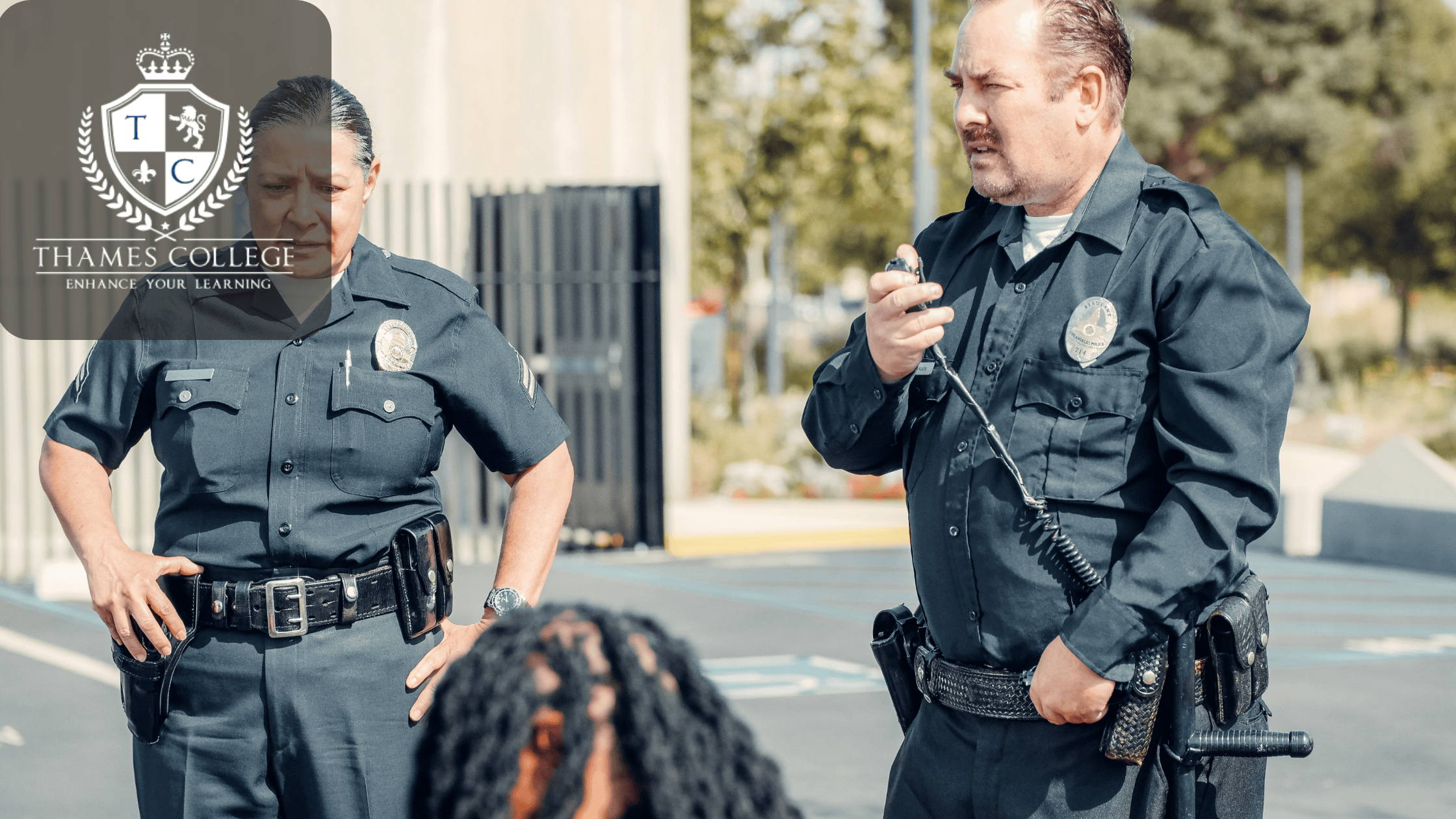
A probation and parole officer plays an important role in supporting rehabilitation, monitoring individuals under supervision, and helping maintain community safety. Although the job involves case management and documentation, the role extends far beyond paperwork. These officers work directly with people, helping them follow legal requirements, access support services, and make positive changes.
Many people wonder “what’s a parole officer?” or what a typical day in the life of a probation officer looks like. The reality is that each day can involve a combination of meetings, assessments, report writing, community visits, and collaboration with other professionals.
This guide explores the responsibilities of probation and parole officers, their daily activities, challenges, required skills, and the important role they play in balancing rehabilitation with public protection.
What Is a Parole Officer?
A parole officer supervises individuals who have been released from prison under specific parole conditions. Their role is to help individuals transition back into the community while ensuring they follow the requirements set by the justice system.
A parole officer does not simply monitor behaviour. They also provide guidance, assess risks, and connect individuals with resources that can support successful reintegration.
Key Responsibilities of a Parole Officer
A parole officer may be responsible for:
Monitoring Release Conditions
Parole officers ensure individuals follow the conditions of their release, such as attending required meetings, following restrictions, and avoiding prohibited activities.
Conducting Parole Officer Meetings
Regular meetings allow officers to:
► Review progress
► Discuss challenges
► Check compliance with conditions
► Provide guidance and support
Assessing Risk
Officers evaluate factors that may influence future behaviour and develop appropriate supervision approaches.
Supporting Reintegration
A parole officer may help individuals access:
► Employment support
► Housing services
► Treatment programmes
► Community resources
What Does a Probation Officer Do?
A probation officer supervises individuals who are serving sentences within the community or following court orders. Their work focuses on monitoring compliance, supporting rehabilitation, and preparing reports for legal authorities.
Unlike a parole officer, who generally works with individuals released from prison, probation officers often work with people who have received community-based sentences.
Responsibilities of a Probation Officer
A probation officer may:
Manage Client Cases
They maintain records, review progress, and create supervision plans based on individual circumstances.
Prepare Reports
Probation officers write reports for courts and other authorities, providing information about behaviour, risks, and progress.
Support Rehabilitation
They help individuals access services that may reduce barriers to positive change.
Monitor Compliance
Officers ensure individuals follow court requirements and respond appropriately if conditions are not met.
A Day in the Life of a Probation Officer
A typical probation officer day in the life can involve many different tasks. No two days are exactly the same because officers work with individuals who have different needs and circumstances.
Morning: Reviewing Cases and Preparing for the Day
A probation officer often begins the day by reviewing case information and planning upcoming activities.
Morning tasks may include:
► Checking appointments
► Reviewing client records
► Preparing reports
► Prioritising urgent cases
► Reviewing updates from other professionals
Good organisation is essential because officers may manage multiple cases at the same time.
Midday: Probation and Parole Officer Meetings
Meetings are a major part of the role. During a parole officer meeting or probation appointment, officers discuss progress and provide supervision.
These meetings may involve:
► Reviewing compliance with conditions
► Discussing employment or housing situations
► Identifying challenges
► Setting future goals
► Providing advice and support
Effective communication helps officers build trust while maintaining professional boundaries.
Afternoon: Community Visits and Professional Collaboration
Probation and parole officers may spend part of their day outside the office.
Activities can include:
► Visiting individuals in the community
► Meeting with support organisations
► Communicating with healthcare or social services
► Working with justice professionals
Collaboration is important because successful rehabilitation often requires support from multiple services.
End of Day: Documentation and Case Management
Documentation is an important part of probation and parole work.
Officers may spend time:
► Updating case notes
► Recording meetings
► Completing assessments
► Preparing reports
► Planning future supervision activities
Accurate records help ensure decisions are based on reliable information.
Responsibilities of Probation and Parole Officers
Although probation and parole officers have different roles, both contribute to rehabilitation and community safety.
Their responsibilities commonly include:
Supervision
Monitoring individuals to ensure they follow legal conditions and requirements.
Risk Assessment
Identifying potential risks and deciding appropriate levels of supervision.
Rehabilitation Support
Helping individuals access services that encourage positive lifestyle changes.
Communication
Maintaining clear communication with individuals, courts, agencies, and support organisations.
Reporting
Creating accurate records and reports to support justice system decisions.
What Happens During a Parole Officer Meeting?
A parole officer meeting is an opportunity to review an individual’s progress and ensure they are meeting their release conditions.
During a meeting, a parole officer may discuss:
Compliance
The officer checks whether the individual is following parole requirements.
Personal Progress
Discussions may involve:
► Employment
► Education
► Housing
► Relationships
► Personal goals
Challenges and Support
If difficulties arise, the officer may help identify solutions or connect the individual with appropriate services.
These meetings are designed to balance accountability with support.
Skills Needed to Become a Probation or Parole Officer
Working as a probation or parole officer requires a combination of communication abilities, legal awareness, organisation, and interpersonal skills. Officers must support individuals while also ensuring compliance with court orders and release conditions.
The most successful professionals in this field combine empathy with strong decision-making abilities to manage complex situations effectively.
Communication Skills
Communication is one of the most important skills for probation and parole officers.
Officers must communicate clearly with:
► Individuals under supervision
► Courts and legal professionals
► Police services
► Healthcare providers
► Community support organisations
Strong communication helps officers explain expectations, prepare accurate reports, and build professional relationships.
Decision-Making Skills
Probation and parole officers often make decisions that affect both individuals and community safety.
They need to evaluate:
► Behaviour changes
► Risk factors
► Compliance issues
► Support requirements
Good judgement helps officers respond appropriately to different situations.
Organisation and Case Management Skills
Officers often manage multiple cases, appointments, deadlines, and reports.
Strong organisational skills help with:
► Prioritising workloads
► Maintaining accurate records
► Managing schedules
► Completing documentation on time
Effective case management ensures individuals receive appropriate supervision and support.
Empathy and Professional Boundaries
A probation or parole officer must understand the challenges individuals may face while maintaining professional boundaries.
Empathy helps officers:
► Build trust
► Encourage positive change
► Understand personal circumstances
► Support rehabilitation
However, officers must also maintain authority and ensure legal requirements are followed.
Conflict Resolution Skills
Some situations may involve disagreement, frustration, or emotional responses.
Officers need conflict resolution skills to:
► Manage difficult conversations
► Reduce tension
► Encourage cooperation
► Respond calmly under pressure
These skills help create safer and more productive interactions.
Legal and Digital Skills
Modern probation and parole officers need knowledge of:
► Criminal justice procedures
► Court requirements
► Supervision frameworks
► Case management systems
► Digital record keeping
Understanding legal responsibilities helps officers make informed decisions and maintain accurate documentation.
Challenges of Being a Probation and Parole Officer
Although this career can be rewarding, it also comes with challenges. Officers often work with individuals facing complex personal, social, and legal difficulties.
Managing Complex Cases
Probation and parole officers may support individuals dealing with:
► Substance misuse challenges
► Mental health concerns
► Housing difficulties
► Employment barriers
► Relationship issues
Each case requires a personalised approach and careful assessment.
Balancing Support and Accountability
One of the biggest challenges is finding the right balance between helping individuals and ensuring they follow legal requirements.
Officers must:
► Encourage rehabilitation
► Monitor compliance
► Report concerns
► Protect community safety
Emotional Pressure
Working with challenging situations can be emotionally demanding.
Officers may experience:
► Difficult conversations
► High-risk cases
► Unexpected incidents
Strong resilience and professional support are important in managing these pressures.
Managing Workloads
Large caseloads can require officers to balance multiple responsibilities, including:
► Meetings
► Reports
► Assessments
► Court deadlines
Good time management and organisation are essential for maintaining quality supervision.
Probation Officer vs Parole Officer: What Is the Difference?
Although probation and parole officers have similar responsibilities, their roles usually involve different types of supervision.
| Probation Officer | Parole Officer |
|---|---|
| Supervises individuals serving sentences in the community | Supervises individuals released from prison |
| Usually works with court-ordered probation | Works with parole conditions after imprisonment |
| Focuses on monitoring behaviour and rehabilitation | Focuses on reintegration and release supervision |
| Prepares reports for courts and supervision agencies | Monitors compliance with release requirements |
Both roles aim to support rehabilitation while maintaining public safety.
How to Become a Probation or Parole Officer
A career as a probation or parole officer usually requires a combination of education, relevant knowledge, and suitable skills.
Common steps include:
Gain Relevant Education
Many professionals study subjects related to:
► Criminal justice
► Social work
► Psychology
► Law
► Community services
Develop Understanding of the Justice System
Knowledge of:
► Criminal law
► Court processes
► Rehabilitation approaches
► Risk assessment
can help prepare individuals for the role.
Build Relevant Skills and Experience
Experience in areas such as:
► Community support
► Youth services
► Social care
► Justice-related roles
can provide valuable insight into working with individuals under supervision.
Career Opportunities for Probation and Parole Officers
Experience and knowledge gained in probation and parole work can lead to a variety of career opportunities within the criminal justice and community support sectors.
Potential career paths include:
► Probation Officer
► Parole Officer
► Community Rehabilitation Worker
► Case Manager
► Criminal Justice Support Officer
► Rehabilitation Specialist
These roles are suitable for individuals interested in criminal justice, rehabilitation services, social support, and helping communities create positive change. The field provides opportunities to work with individuals, organisations, and agencies focused on supervision, recovery, and community wellbeing.
Conclusion
A career as a probation or parole officer involves much more than supervision. These professionals help individuals move towards positive change while ensuring legal requirements and community safety are maintained.
From conducting parole officer meetings and managing cases to preparing reports and supporting rehabilitation, officers perform a wide range of responsibilities every day.
For those interested in criminal justice, social support, and making a difference in communities, probation and parole work can provide a meaningful career path built around responsibility, communication, and positive social impact.
Frequently Asked Questions
A parole officer supervises individuals who have been released from prison under specific release conditions. They monitor progress, ensure requirements are followed, and provide support to help individuals adjust successfully to community life.
A probation officer works with individuals under community supervision by monitoring their progress, maintaining case records, preparing reports, and supporting rehabilitation plans.
A probation officer’s daily routine may involve reviewing cases, attending supervision meetings, completing reports, carrying out assessments, and communicating with different support services.
A parole officer meeting usually focuses on discussing progress, checking whether release conditions are being followed, addressing any difficulties, and identifying areas where additional support may be needed.
Probation and parole officers need skills such as effective communication, sound decision-making, organisation, empathy, conflict management, legal understanding, and strong case management abilities.
A probation officer typically supervises individuals completing community-based sentences, while a parole officer works with individuals who have been released from prison under parole supervision.
A parole officer’s daily duties may include meeting individuals under supervision, reviewing case information, monitoring compliance, preparing documentation, assessing risks, and coordinating support services.
The role can be demanding because officers often manage complex cases and challenging situations. However, it can also be rewarding by allowing professionals to support rehabilitation and positive change.
They support individuals by monitoring progress, providing guidance, connecting them with useful resources, and encouraging successful reintegration into the community.
To pursue this career, individuals can develop relevant education, gain knowledge of criminal justice systems, build important professional skills, and gain experience in community or support-focused roles.
Still searching for the right course? View All Courses NOW

- All courses
- QLS Endorsed Single Course683
- Management Courses329
- Technology Courses322
- Mega Bundles269
- Business Courses237
- Health Courses213
- Teaching Courses201
- Professional & Personal Growth196
- Creative Courses95
- Law Courses85
- Marketing Courses77
- Counselling Courses71
- Engineering Courses53
- Job Guarantee Programme50
- Arts Courses37
- 4-in-1 bundle32
- QLS Endorsed Single Course with Free Certificate27
- Science Courses26
- Agriculture Courses22
- Regulated Courses7
- Psychology2